 Everett
 Siding in a Neighborhood Shaped by Water
North Everett sits close enough to Possession Sound and the broader Puget Sound waterways that homes here live with a different exterior environment than houses ten or fifteen miles inland in Snohomish County. Salt-laden air moves off the water, marine moisture sits in the atmosphere for months at a stretch, and the tree cover that makes this part of Everett so pleasant to live in also means shaded, damp siding for a good chunk of the year. None of that is a reason to worry about your home. It is a reason to be deliberate about what you put on the outside of it.
We work on homes throughout North Everett and the rest of Snohomish County, and the pattern we see on siding calls is consistent: it is rarely one catastrophic failure. It is slow, cumulative moisture exposure combined with a material that was not built with this specific climate in mind. That is the problem we aim to solve, not just patch.
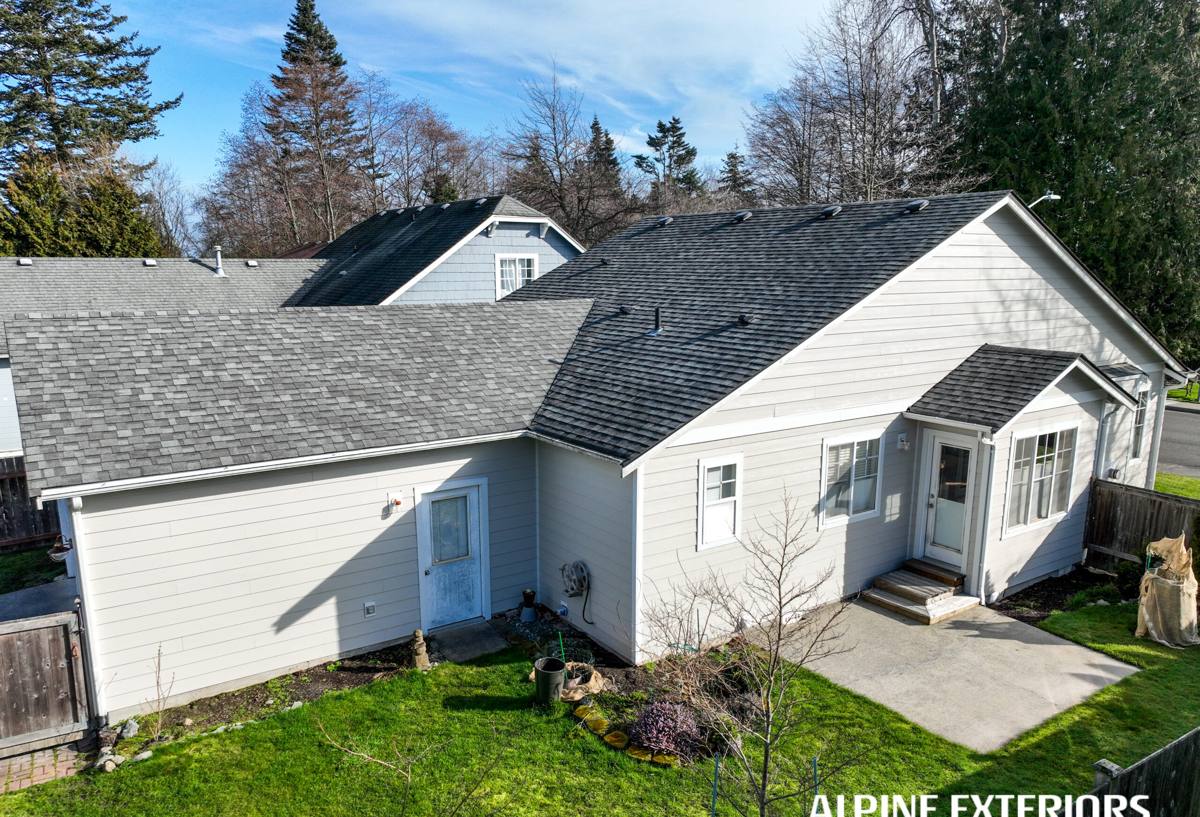
What North Everett Homes Actually Face
Salt Air and Metal Fatigue
Homes closer to the water deal with airborne salt that settles on exterior surfaces, fasteners, and trim. Over years, that accelerates corrosion on lower-grade fasteners and metal flashing, and it can degrade certain paint and coating systems faster than the same product would wear inland. Siding materials and finishes that aren't rated for coastal-adjacent exposure tend to show their age early here — chalking, fading, and edge deterioration well ahead of schedule.
Driving Rain and Wind-Driven Moisture
Storms coming off the Sound don't just rain straight down — wind pushes moisture sideways into wall assemblies, especially on west- and south-facing elevations. That means seams, laps, and butt joints on siding take more direct water exposure here than they would on a home in a more sheltered inland setting. Installation detail — how laps are set, how joints are sealed and flashed, how trim meets siding — matters more in North Everett than it does in drier parts of the county.
The Long Moss and Mildew Season
Between tree cover, marine humidity, and Western Washington's extended damp season, North Everett siding can stay wet or shaded for long stretches without a real drying window. That's an ideal environment for moss, algae, and mildew to take hold on porous or absorbent siding surfaces, and it's a major reason we steer homeowners toward materials that resist moisture absorption rather than ones that need frequent washing and re-coating to keep organic growth at bay.
Why We Only Install James Hardie Fiber Cement
We made a decision as a company to install one siding system: James Hardie fiber cement. We don't install vinyl, LP SmartSide, Cemplank, Allura, primed spruce, or cedar. That's not because those products can't be installed correctly by someone — it's because after years of exterior work in this climate, we don't think they hold up the way Snohomish County homeowners expect an exterior investment to hold up, and we'd rather stand behind one system we trust completely than offer several we'd have to caveat.
Fiber cement is non-combustible, dimensionally stable in swings between wet and dry, and doesn't feed mold or mildew the way wood-based or wood-fiber products can. James Hardie's ColorPlus factory finish is baked on and warrantied against fading and chipping in a way field-applied paint systems generally are not, which matters directly here — less repainting means less exposure of fresh, unweathered surface to salt air and rain over the life of the siding.
How the Alternatives Actually Perform Here
| Material | How it handles North Everett conditions |
|---|---|
| Vinyl siding | Can warp or become brittle with temperature swings; seams are a common water entry point in wind-driven rain; doesn't hold paint if a color change is ever wanted |
| LP SmartSide (wood strand) | Wood-based substrate is more vulnerable to prolonged moisture exposure at cut edges and seams than fiber cement; finish maintenance matters more in a marine-humidity climate |
| Cedar siding | Beautiful material, but needs consistent re-staining or re-sealing to resist moisture, and is a natural food source for the mildew and moss this area is known for |
| Primed spruce / other primed wood | Primer is a starting point, not a finish system; repainting cycles come faster in sustained damp shade than most homeowners expect |
| James Hardie fiber cement | Factory-cured ColorPlus finish, non-combustible, engineered for Pacific Northwest moisture cycling with HZ5 product lines |
James Hardie's HZ Product Lines and Why That Matters
James Hardie engineers its siding for specific climate zones, labeled HZ5 and HZ10, rather than shipping one product everywhere. Western Washington, including Everett and the rest of Snohomish County, falls in the zone built around moisture resistance and freeze-thaw performance rather than extreme heat. That's a meaningfully different engineering target than a product designed primarily for a hot, dry, or high-UV climate, and it's part of why we don't treat siding as a one-size-fits-all product line.
Hardie's lap siding, panel siding, and trim boards all come through the same fiber cement manufacturing process, which gives us consistent material to work with whether we're doing a full re-side, a partial repair after storm damage, or matching in new trim around a window or door replacement.
What Correct Installation Looks Like in This Climate
Material choice only gets a North Everett home halfway there. The other half is installation, and it's where we spend the most attention given the rain exposure this neighborhood sees.
- Proper water-resistive barrier and flashing behind the siding, not just at obvious points like windows but at every penetration
- Correct lap and seam spacing per James Hardie's published installation specifications, not shortcuts to save time
- Fasteners rated for the exposure — corrosion resistance matters more this close to the water
- Careful attention to butt joints and trim transitions, which are the highest-risk spots for wind-driven rain intrusion
- Adequate clearance between siding and grade, decks, and roof lines to avoid trapping moisture against the material
- Caulking and sealant used only where James Hardie's specifications call for it — over-sealing can trap moisture as easily as under-sealing lets it in
We install to those specifications because it's the difference between siding that performs for decades and siding that looks fine for a few years before problems start showing up at the seams.
Beyond Siding: Roofing, Windows, and Decks
Siding doesn't work in isolation on a North Everett home — it's one piece of an exterior envelope that also includes the roof, windows, and any deck structures tying into the house. We handle all four because they interact. A roof that isn't shedding water cleanly can send moisture down behind siding at the roofline. Windows with failing flashing can push water into the wall assembly right next to a perfectly good siding installation. A deck ledger board attached without proper flashing is a common source of rot at the point where deck meets house.
When we look at a North Everett exterior, we're looking at the whole envelope, not just the material the homeowner called about. That's usually how we catch a smaller problem — a gap in roof flashing, a window that's starting to let moisture in — before it turns into a larger repair.
Why a Local Crew Matters Here
Exterior work in North Everett benefits from a crew that already understands the specific conditions of this stretch of Snohomish County — the wind exposure on certain lots, the tree-shaded moisture pockets that don't dry out as fast as an open yard, the difference salt-adjacent air makes on fasteners and finishes over time. A crew that mostly works inland or in a different climate zone can still do competent work, but they're often learning the local conditions on your home instead of already knowing them.
We also think there's real value in a contractor who will still be around in ten years if a warranty question comes up, or if storm damage needs an honest assessment rather than an upsell. That's part of why we standardized on one manufacturer and one installation standard instead of offering whatever's cheapest that week.
Maintenance Realities for This Climate
Even the right material benefits from basic upkeep in a marine climate. Rinsing siding periodically to clear salt residue and organic buildup, keeping gutters clear so water isn't sheeting down the siding face, and trimming back vegetation that keeps siding shaded and damp all extend the life of any exterior. James Hardie's factory finish reduces how often you'll need to think about repainting, but it doesn't eliminate the value of basic seasonal attention, especially this close to the water.
If you're weighing a siding project in North Everett — whether it's a full re-side, storm repair, or you're planning ahead before problems start — we're happy to take a look and give you a straightforward, no-pressure estimate for what your home actually needs.