 Everett
 Why Bayside's Exterior Needs Are Different
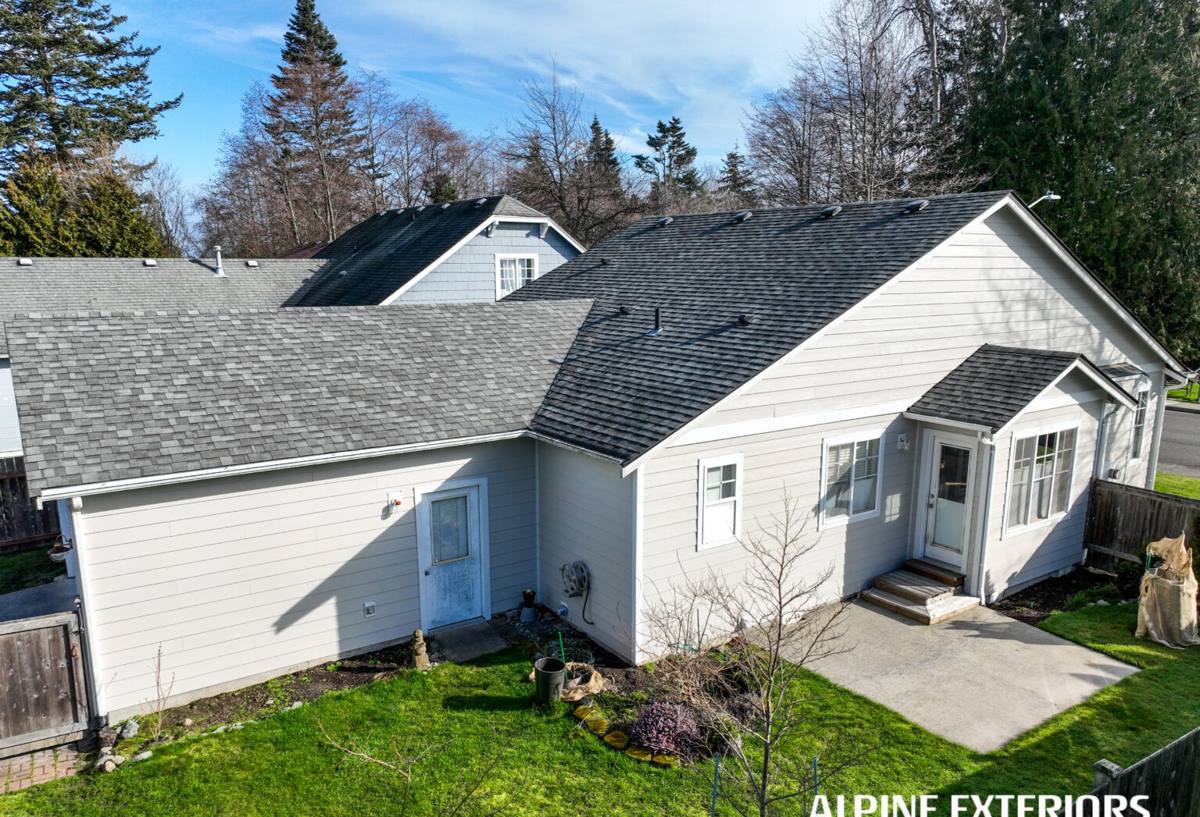
Homes near Everett's waterfront and the Bayside area sit closer to Puget Sound than most of Snohomish County, and that proximity changes what a house's exterior has to deal with year-round. Salt-laden air moves off the water and settles on siding, trim, and fasteners. Combine that with our long, wet fall-through-spring stretch and the shade many of these lots get from mature evergreens, and you get a climate that is genuinely harder on exterior materials than a typical inland neighborhood a few miles east.
We've worked on homes throughout Everett and Snohomish County long enough to see the pattern clearly: houses closer to the water and in tree-shaded pockets show moisture and moss problems years before comparable homes in drier, sunnier parts of town. That's not a knock on any one product — it's just physics. Wood, engineered wood, and even some fiber cement products behave differently when they stay damp for weeks at a time instead of drying out between rain events.
What Salt Air Actually Does to Siding
Salt air isn't just a coastal curiosity — it's a slow, steady corrosive and moisture-retention problem. A few things happen over time on homes near the Sound:
- Airborne salt combines with moisture to accelerate corrosion on exposed fasteners, flashing, and metal trim if they aren't properly rated or protected.
- Salt residue can hold moisture against a surface longer than plain rainwater would, which matters most for materials that swell, rot, or delaminate when they stay wet.
- Painted or primed wood surfaces near the water tend to need repainting more often than the same surfaces inland, because the salt-moisture combination breaks down paint film faster.
None of this means a house near the water is doomed to constant repairs. It means the exterior materials and the installation details have to be chosen with that environment in mind, not just picked off a standard spec sheet.
Everett's Moss Season and What It Means for Your Home
Snohomish County's moss season is long — realistically, moss and algae can gain a foothold on north-facing walls, shaded eaves, and anywhere airflow is limited for most of the year here. On Bayside-area lots with tree cover, that shade problem compounds the moisture problem. Moss holds water against a surface, and materials that are already prone to absorbing moisture — untreated wood, some engineered wood products, older or damaged paint films — end up staying wet far longer than they should.
Over time that constant dampness is what actually causes damage: swelling, soft spots, paint failure, and in the worst cases, structural decay behind the siding. The siding material itself, the quality of the water-resistive barrier behind it, and how well the trim and flashing details shed water all matter more here than in a drier climate.
Signs Your Current Siding Is Losing the Battle
- Persistent green or black staining that returns quickly after cleaning
- Paint that's peeling, bubbling, or chalking earlier than expected
- Soft or spongy spots when you press on the siding, especially near the bottom courses or under windows
- Visible gaps, warping, or separation at seams and corners
- Rust streaking from fasteners or trim
Why We Install Only James Hardie Fiber Cement
We made a deliberate decision to standardize on James Hardie siding and not offer vinyl, LP SmartSide, Cemplank, Allura, or primed spruce and cedar. That's not a marketing position — it's a response to what we've seen happen to exteriors in exactly this kind of climate.
Fiber cement is fundamentally different from wood-based and wood-fiber-based products because it doesn't rely on organic wood fiber as its structural material. It's a cement, sand, and cellulose composite that doesn't swell, rot, or feed fungal growth the way wood and engineered wood can. That matters enormously in a moss-prone, salt-air environment where materials stay damp longer than the manufacturer's ideal drying conditions assume.
James Hardie also builds region-specific "HZ" (HardieZone) formulations engineered for different climate zones, including the wetter Pacific Northwest zone. That's a level of climate-specific engineering most competing products don't offer. On top of that, Hardie's ColorPlus finish is a factory-applied, baked-on finish rather than a field-applied paint job — which means better color consistency and a finish that's engineered to hold up to UV and moisture rather than relying entirely on the installer's paint application.
None of this means other products are without merit — vinyl is inexpensive and low-maintenance in the right setting, cedar has a real aesthetic appeal, and engineered wood products have improved over the years. But when we weigh long-term performance in a salt-air, high-moss climate against combustibility, moisture sensitivity, and warranty structure, Hardie is what we're willing to put our name behind and stand by with a strong transferable warranty.
Comparing Exterior Siding Options for a Waterfront-Adjacent Home
| Material | Moisture Behavior | Typical Maintenance | Fire Resistance |
|---|---|---|---|
| James Hardie fiber cement | Does not swell or rot; engineered HZ formulations for wet climates | Periodic washing; ColorPlus finish reduces repainting needs | Non-combustible |
| Vinyl siding | Doesn't absorb moisture but can trap it behind panels; prone to warping in heat/cold cycles | Low, but cracks and fades over time | Combustible, can melt/deform |
| LP SmartSide / engineered wood | Wood-strand based; performs well when sealed and maintained, more sensitive to prolonged moisture exposure | Requires consistent caulking, painting, and edge sealing | Combustible |
| Cedar / primed spruce | Natural wood; absorbs moisture readily, especially in shaded, salt-air conditions | High — regular staining/painting and moisture monitoring | Combustible |
How We Approach a Bayside Exterior Project
Assessment First
Before we talk product, we look at the house: which walls face the water and prevailing weather, where tree cover keeps siding shaded and damp, where the existing water-resistive barrier and flashing details are doing their job (or aren't), and where fasteners and trim show early corrosion. That assessment shapes the installation plan, not just the material choice.
Installation Details That Matter Here
- Correct fastener selection and placement to resist corrosion in a salt-air environment
- Proper rainscreen or drainage plane behind the siding so moisture that does get behind the cladding can escape rather than pool
- Careful flashing and trim work at windows, doors, and roof intersections — the details where most water intrusion problems actually start
- Manufacturer-spec fastening and clearances so the Hardie warranty stays intact
Fiber cement siding rewards correct installation and punishes shortcuts more than most materials — improper fastening or clearances can void the warranty and lead to problems even with a good product. That's why installation quality matters as much as the material itself.
Roofing, Windows, and Decks in the Same Climate
Siding doesn't work in isolation. On Bayside-area homes we're often looking at the whole exterior envelope, because a roof that's shedding water poorly, windows with failing seals, or a deck holding moisture against the house all interact with how the siding performs. We handle roofing, windows, and decks alongside siding so the water management story is consistent from the roofline down to grade — not just patched piecemeal by whoever happens to show up.
Why a Local Crew Matters
Everett and greater Snohomish County have their own combination of rainfall patterns, salt exposure near the Sound, tree cover, and seasonal moss growth that doesn't match a generic regional playbook. A crew that works this area regularly knows which walls tend to hold moisture, which older neighborhoods still have original wood siding starting to fail, and which installation details actually hold up through a full Pacific Northwest wet season rather than just looking good on installation day. That local, repeated exposure to how houses here age is worth more than a lower bid from a crew unfamiliar with the area.
What to Expect From a Siding Project
General Cost Factors
Every home is different, but the main cost drivers on a Hardie siding project are typically: the size and complexity of the home's exterior, how much of the existing siding, sheathing, or water-resistive barrier needs replacement versus reuse, the number of window and door openings requiring trim and flashing work, and the Hardie product line and finish selected. We provide honest, itemized estimates rather than a single vague number, so you can see exactly what you're paying for.
A Practical Checklist Before You Commit
- Ask what water-resistive barrier and drainage plane will be used behind the new siding
- Confirm which James Hardie product line and ColorPlus finish is being quoted
- Ask how existing moisture or moss damage will be addressed before new siding goes on, not just covered up
- Get the fastening and installation plan in writing so it matches Hardie's specifications
- Clarify what's covered under the manufacturer's warranty versus the installer's workmanship warranty
Ready to Talk About Your Home
If you're seeing early moss growth, paint failure, or soft spots on your siding in the Bayside area, it's worth having a local crew take a look before those problems get more expensive to fix. We're happy to walk your property, point out what we see, and put together a straightforward, no-pressure estimate for siding, roofing, windows, or decks — use the form below to get started.