 Everett
 Serving Marysville: Siding Done Right
Marysville sits along the northern edge of Snohomish County, close enough to Puget Sound that salt-laden air is a constant, low-grade presence on every exterior wall in town. Add in the long, wet Pacific Northwest winters and the shaded, moisture-trapping conditions that let moss and algae take hold on north- and west-facing walls, and you have a climate that is genuinely hard on siding. We install and repair siding, roofing, windows, and decks for homeowners throughout Marysville, and siding is where we've drawn the hardest line in our business: we only install James Hardie fiber cement. Not vinyl, not LP SmartSide, not primed wood, not one of the other fiber cement brands. This page explains what Marysville homes are up against and why we think Hardie is the right answer for it.
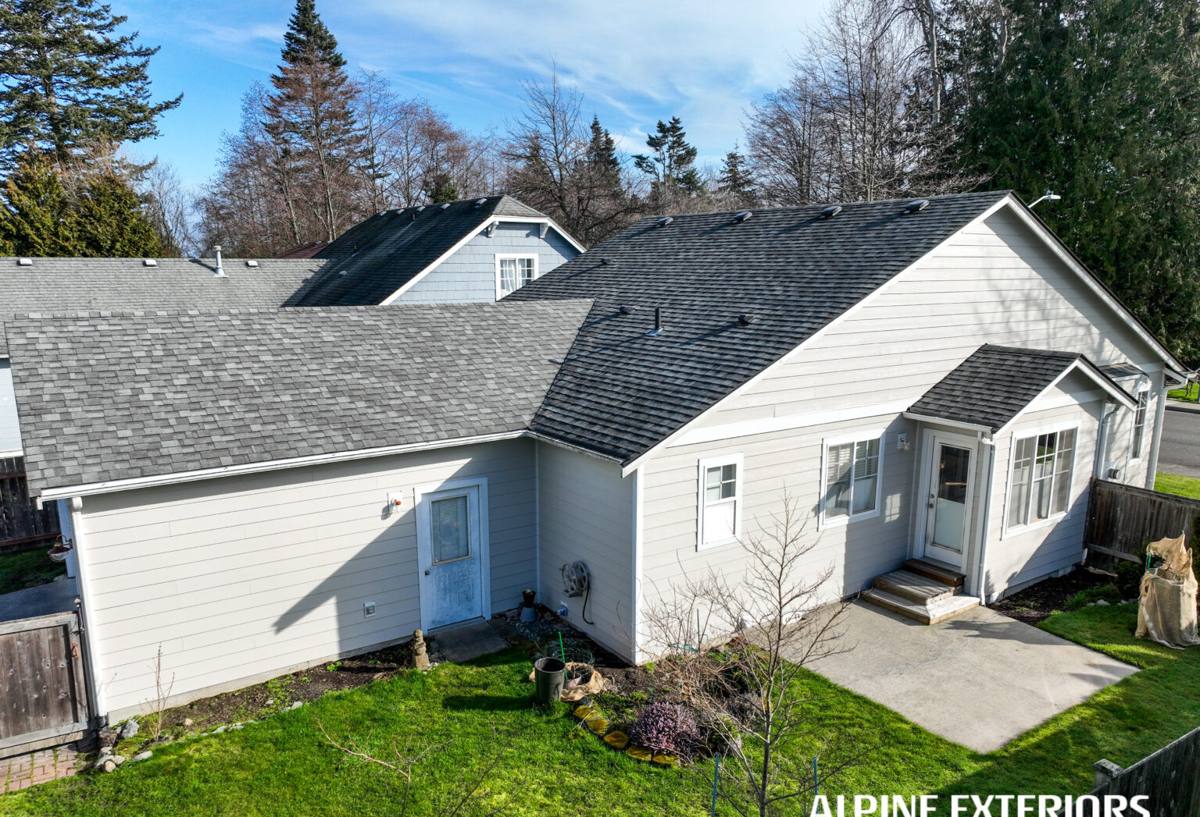
What Marysville's Climate Does to Exterior Siding
Every material reacts differently to sustained moisture, salt exposure, and shade, and Marysville's setting hits all three.
Salt Air and Coastal Moisture
Homes closer to the water deal with a fine salt residue that settles on siding, trim, and fasteners over time. It doesn't cause dramatic damage overnight, but it accelerates the breakdown of lower-grade materials and corrodes unprotected metal fasteners and flashing faster than homes further inland would experience. Over years, that adds up to premature fading, chalking, and edge deterioration on siding that wasn't built with coastal exposure in mind.
Driving Rain
Wind-driven rain off the Sound doesn't just fall straight down — it gets pushed sideways into wall assemblies, seams, and butt joints. Any siding product with weak joint design, poor caulking tolerance, or a tendency to absorb water at the edges will eventually let moisture behind the cladding. Once water gets into a wall assembly in this climate, it rarely dries out quickly, because the drying season (a real stretch of warm, low-humidity weather) is short.
Moss and Algae Season
Shaded siding, especially on the north and west sides of a home under trees, stays damp for extended stretches during fall, winter, and spring. That's exactly the environment moss and algae need to establish. Wood-based products are the most vulnerable because moss holds moisture directly against an absorbent surface. Fiber cement resists this far better, though even Hardie siding benefits from occasional gentle cleaning in heavily shaded spots.
Why We Only Install James Hardie
We used to install a wider range of products. We stopped because we kept getting called back to the same kinds of problems — swelling, delamination, fading, and moisture intrusion — on materials that looked fine on installation day. James Hardie fiber cement solves the specific problems this climate causes:
- It's non-combustible, which matters for insurance and for homeowners thinking about wildfire-adjacent risk exposure in the broader region.
- It doesn't absorb water the way wood-based or wood-composite products do, so it holds up better against driving rain and prolonged damp shade.
- The ColorPlus factory finish is baked on under controlled conditions, so it resists the fading and chalking that field-applied paint often shows within a few years near salt air.
- Hardie engineers specific product lines (the HZ5 line, for example) for wetter, more variable climates like ours — it's not a generic one-size-fits-all product.
- The warranty is transferable and backed by a manufacturer with a long track record, rather than a smaller regional brand.
We're not saying every other product on the market is worthless. LP SmartSide, vinyl, and other fiber cement brands each have a place and a price point. But for what Marysville's climate does to a home over 20-30 years, we've made the professional call that Hardie is what we're willing to put our name behind.
Why We Don't Install Vinyl, LP SmartSide, or Other Fiber Cement Brands
Vinyl Siding
Vinyl is affordable and low-maintenance in mild climates, but it expands and contracts significantly with temperature swings, which stresses seams and fastening over time. In driving rain, vinyl's lapped panel design relies heavily on correct installation to keep water from working behind it, and once water gets behind vinyl, it has nowhere good to go. It also tends to look and feel less substantial than fiber cement, which matters to homeowners investing in long-term curb appeal.
LP SmartSide
LP SmartSide is an engineered wood product, and wood — even engineered, treated wood — is more vulnerable to moisture absorption than fiber cement. In a climate with a long damp season and real moss pressure, that's a meaningful trade-off. It performs reasonably in drier climates; it's a harder sell here.
Other Fiber Cement Brands (Cemplank, Allura, etc.)
These are legitimate fiber cement products, and the core material science is similar to Hardie's. Our decision here is less about the raw material and more about factory finish quality, product line engineering for specific climates, warranty structure, and the consistency we've seen installing Hardie specifically over years of work in this region.
Primed Spruce or Cedar
Solid wood siding has real aesthetic appeal, but it requires the most ongoing maintenance of any option — regular repainting or restaining, vigilant caulk maintenance, and close attention to any spot where moisture can sit. In a climate with this much sustained dampness, that maintenance burden is significant and easy to fall behind on.
How Our Siding Process Works for Marysville Homes
Every home is different, but our process follows the same general path for Marysville projects:
- On-site assessment. We look at existing siding condition, wall assembly, moisture history, and any trouble spots — particularly shaded walls and areas exposed to prevailing wind and rain direction.
- Moisture barrier and flashing review. Correct water management behind the siding matters more than the siding itself in a wet climate. We check and, where needed, correct weather-resistive barrier and flashing details before new siding goes on.
- Product and color selection. We walk homeowners through Hardie's plank, panel, and shingle options and ColorPlus color range, factoring in HOA guidelines where applicable and the home's exposure.
- Installation to manufacturer spec. Hardie's warranty depends on correct installation — proper fastening, clearances, and joint treatment. We install to that spec, not around it.
- Final walkthrough. We review the finished work with the homeowner before considering the job complete.
Roofing, Windows, and Decks: The Rest of the Exterior Envelope
Siding doesn't work in isolation — it's one part of how a home sheds water and holds up to weather. We also handle:
Roofing
A roof in poor condition or with failing flashing sends water down onto siding and trim it was never meant to handle. We address roofing issues as part of a full exterior evaluation when they're contributing to siding problems.
Windows
Window flashing and trim integration are common failure points where water gets behind siding. When we replace siding around older windows, we make sure that integration is done correctly, not just patched over.
Decks
Decks attached to the home create their own moisture and ledger-board challenges, especially where they meet siding. We build and repair decks with drainage and flashing details that protect the wall assembly behind them.
Comparing Siding Options for a Marysville Home
| Factor | Vinyl | LP SmartSide | James Hardie Fiber Cement |
|---|---|---|---|
| Moisture resistance | Moderate; seams vulnerable | Lower; wood-based core | High; cement-based, doesn't rot |
| Salt air durability | Fades and chalks over time | Requires diligent maintenance | Factory finish resists fading |
| Moss/algae resistance | Moderate | Lower on shaded walls | High |
| Fire rating | Combustible | Combustible | Non-combustible |
| Typical maintenance | Low, but limited repair options | Regular inspection and sealing | Low; occasional gentle cleaning |
| Warranty structure | Varies by manufacturer | Varies by manufacturer | Long-term, transferable |
Signs a Marysville Home Needs Siding Attention
- Visible moss or dark streaking on shaded siding, especially north- and west-facing walls
- Soft spots, swelling, or delamination, particularly near ground level or window trim
- Paint that's peeling or bubbling in patches rather than wearing evenly
- Gaps opening up at seams, corners, or where siding meets trim and window frames
- Musty smell or visible staining on interior walls that share an exterior wall with problem siding
- Fasteners showing rust or corrosion streaks below them
Any one of these on its own isn't necessarily an emergency, but they're worth having a professional look at before the next wet season.
Why a Local Crew Matters
Siding installation in Snohomish County isn't identical to siding installation in a drier inland climate, and it shows in the details — how flashing is lapped, how much clearance is left at grade, which walls get extra attention because of prevailing wind direction. A crew that works Marysville, Everett, and the surrounding Snohomish County area regularly has already seen how local homes age and where problems tend to start. That local knowledge shapes decisions on-site that a generic installation approach wouldn't catch.
If you're weighing a siding replacement, a repair, or you just want an honest read on the condition of what's on your home now, we're happy to take a look. Reach out for a free, no-pressure estimate using the form below.