 Everett
 Building a Deck That Actually Holds Up in Marysville
Marysville sits close enough to the water that salt air is a real factor in how fast metal fasteners and cheap hardware fail, and it sits squarely in the same wet weather pattern that soaks the rest of Snohomish County for months at a stretch. A deck built here has to deal with driving rain that gets pushed sideways by wind off the Sound, long stretches of damp shade that grow moss on any surface that doesn't shed water well, and freeze-thaw cycles that are mild by national standards but still enough to work loose fasteners and crack poorly sealed wood over a few winters. None of that means a deck can't last decades in this climate. It means the details that get skipped on a rush job — flashing, fastener grade, drainage, footing depth — are exactly the details that matter most here.
This page covers what we build into every Marysville deck project, why those choices matter for this specific climate, and what to expect from working with a crew that already knows the area.
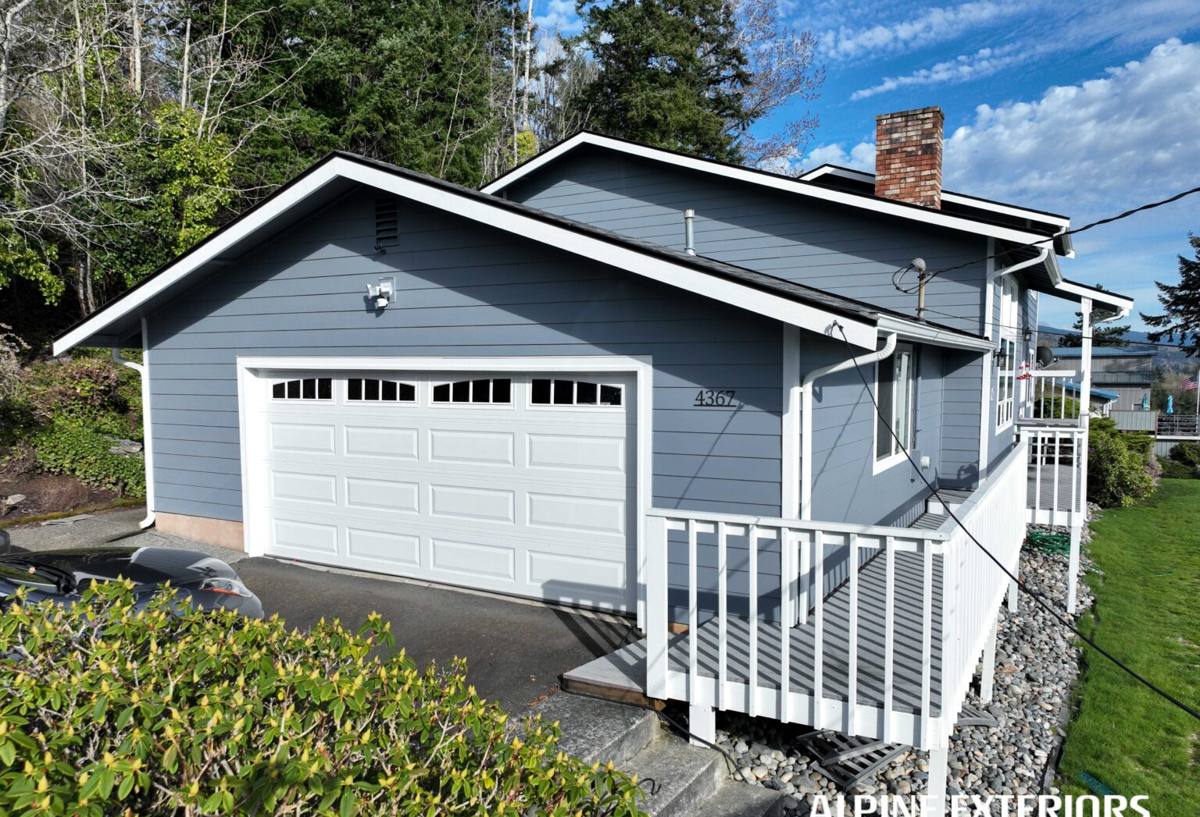
What Marysville's Weather Actually Does to a Deck
Salt Air and Hardware Corrosion
Proximity to Puget Sound means a fine mist of salt-laden air moves through the area more often than most homeowners realize. Standard zinc-coated deck screws and joist hardware that would be fine in a dry inland climate can start showing rust streaks within a couple of seasons here. Once a fastener starts corroding, it loses holding strength long before it looks bad enough to notice from the surface.
Driving Rain and Hidden Rot
Rain in this region rarely falls straight down. Wind off the water pushes it sideways, which drives water into joints, under ledger boards, and behind rim joists that weren't flashed correctly. The failures we see most often on older decks aren't from rain hitting the top of the boards — they're from rain getting behind them, where it can sit against untreated end grain for weeks without drying out.
Moss Season and Surface Decay
Shaded decks under mature trees or on the north side of a house can stay damp for a large part of the year. That moisture supports moss and algae growth on decking boards, which does two things: it makes the surface slick and unsafe, and it holds water against the board itself, accelerating rot in wood decking and staining in lower-quality composite products. A deck design that ignores sun exposure and airflow is signing up for a moss problem from day one.
Decking Material Options for This Climate
There isn't one universally "right" material — it depends on budget, how much maintenance you're willing to do, and how shaded the deck site is. Here's how the common options actually perform under Marysville's conditions:
| Material | Moisture Behavior | Maintenance | Typical Lifespan Here |
|---|---|---|---|
| Cedar | Naturally rot-resistant but still needs sealing to shed rain and resist moss | Re-stain or seal every 2-3 years | 15-20 years with upkeep |
| Pressure-treated fir/hem-fir | Treated for ground contact but end cuts and hardware points need extra sealant | Annual inspection, sealing every 2-3 years | 15-25 years with upkeep |
| Composite (wood-plastic blend) | Won't rot, but lower-grade composites can absorb moisture at cut edges and stain in shaded, mossy spots | Periodic cleaning, no sealing needed | 25-30 years |
| PVC / capped polymer | Fully moisture-resistant surface and core, sheds water and resists moss growth better than composite | Occasional cleaning | 25-30+ years |
We don't push one product on every job. A well-built cedar or treated-lumber deck with correct sealing and airflow can outlast a poorly installed composite deck. The material choice matters less than whether it's detailed correctly for this climate — which is where the build quality comes in.
What Drives the Cost of a Deck Project in Marysville
Deck pricing varies more than most homeowners expect, and the swings usually come down to a handful of factors rather than the brand of decking board. Here's what actually moves the number:
| Factor | Why It Matters |
|---|---|
| Size and shape | Square footage sets the baseline, but multi-level decks, curves, and cutouts around trees or utilities add labor beyond simple square-foot math |
| Height above grade | A deck more than a few feet off the ground needs deeper footings, taller posts, stairs, and code-required guardrails, all of which add material and labor |
| Decking material | Cedar and treated lumber cost less upfront; composite and PVC cost more per board but need less maintenance over time |
| Site access and demolition | Removing an old deck, working around tight side-yard access, or building on a slope adds time before the new structure ever goes up |
| Permit and engineering needs | Larger or taller decks, or ones attached to unusual framing, sometimes need additional structural review, which adds time to the front end of the project |
We walk through these factors on the initial site visit so the estimate reflects your actual lot and layout, not a generic per-square-foot number that doesn't hold up once the site conditions are factored in.
What a Correctly Built Deck Involves
Ledger Attachment and Flashing
The ledger board — where the deck attaches to the house — is the single most common failure point on decks in wet climates. It has to be lag-bolted or through-bolted into structural framing, and it needs proper flashing that directs water away from the house rather than letting it wick behind the siding. This is the detail that's easiest to rush and most expensive to fix after the fact, since a failed ledger connection can mean rot inside the wall itself.
Footings Set to Local Code Depth
Footings need to go below the frost and seasonal moisture line called out in Snohomish County's building code, on solid, undisturbed soil. Skipping this or pouring shallow footings is a shortcut that shows up years later as a deck that shifts, settles unevenly, or develops soft spots where posts have started to heave.
Corrosion-Resistant Hardware Throughout
Given the salt air exposure in this area, we use fasteners and structural connectors rated for coastal or wet-use environments — not the basic zinc-coated hardware that's fine for a dry inland build. That includes joist hangers, post bases, and every screw that goes into ground-contact or exposed framing.
Drainage and Airflow Underneath
A deck built low to the ground or over poorly graded soil traps moisture underneath, which feeds rot from below and encourages moss to creep up from the shaded underside. Correct grading, gaps between boards, and enough clearance for air to move under the structure all reduce how long wood stays wet after a storm.
Railings and Code-Compliant Guard Spacing
Any deck raised more than a modest height off the ground needs a code-compliant guardrail, with a minimum guard height and a maximum gap between balusters so a small child can't slip through or climb the rail easily. These aren't details we treat as optional finish work — they're inspected as part of the permit process, and getting them wrong means a failed inspection and rework. We build railings to meet these spacing and height requirements from the start, in a style that matches the rest of the deck.
Our Deck Building Process
- Site visit and design conversation — we look at sun exposure, drainage, and how the deck will connect to the house before recommending materials or layout.
- Plan and permit prep — we draw up the structural plan and handle the permit application with the city so the footings, framing, and railings meet code.
- Footings and framing — footings are poured to code depth, ledger flashing is installed correctly, and the frame goes up with corrosion-resistant hardware.
- Decking, railing, and finish work — boards, railing, and any stairs are installed, fasteners are set correctly, and edges and cuts are sealed where needed.
- Final walkthrough — we go over maintenance expectations specific to the material you chose and the site's sun and shade pattern.
Permits and Inspections in Marysville
Most new decks and many significant deck replacements require a building permit in Marysville, and the review typically checks footing depth, ledger attachment, railing height, and guard spacing against current code. Skipping the permit process might save a few days up front, but it leaves you without an inspected structural record, which can complicate things later at resale or if there's ever a safety question about the structure. We handle the permit application and inspection scheduling as part of the job so it isn't something you have to manage yourself.
Seasonal Maintenance Checklist
Whatever material you choose, a small amount of seasonal attention goes a long way in this climate. Here's what we recommend to clients after a new deck is built:
- Sweep leaves and debris off the deck surface regularly in fall — trapped, wet leaves are one of the fastest ways to grow moss and stain boards.
- Check and clear gaps between boards each spring so water and debris keep draining instead of pooling.
- Inspect the ledger board area and any flashing once a year for signs of water staining or gaps.
- Re-seal wood decking every 2-3 years, or sooner if water stops beading on the surface.
- Wash composite or PVC decking with a mild cleaner once or twice a year to prevent algae and moss buildup in shaded areas.
- Look under the deck once a year for standing water, soft framing, or signs of pests.
- Tighten or replace any hardware showing early rust before it becomes a structural issue.
Why Hire a Crew That Already Works in Marysville
A contractor who mostly builds in drier parts of the country can still frame a deck that looks right on installation day. What's harder to fake is knowing which fastener grade actually holds up against the salt air blowing in off the water, which corners of a lot stay shaded and mossy long after the rain stops, and how the city's permit review process actually runs. Local experience shows up in the small decisions — hardware selection, flashing detail, board spacing for drainage — that don't matter in a dry climate but decide how long a deck lasts here. It also means we're a known quantity if anything needs a follow-up visit down the road, not a company that built one deck and moved on.
If you're planning a new deck or replacing one that's showing its age, we're happy to walk the site with you and talk through material and design options for your specific spot — no pressure, no obligation. Use the form below to request a free estimate.