 Everett
 Allura Is a Real Fiber Cement Product — Let's Start There
We get asked often enough that it's worth answering plainly: yes, Allura makes legitimate fiber cement siding. It's not vinyl dressed up to look like something else, and it's not a fly-by-night product. Allura (formerly known under other names in the fiber cement space) manufactures cellulose-reinforced cement board siding in lap, panel, and trim profiles, and it's installed on homes across the country, including plenty in the Pacific Northwest. If a homeowner in Everett or elsewhere in Snohomish County shows us a bid that includes Allura, we're not going to tell them it's junk, because it isn't.
What we will tell them is why we don't install it ourselves, and why every siding job we take on goes out with James Hardie products instead. That's not a marketing line — it's a standard we settled on after weighing what actually holds up against the specific punishment a house takes fifteen miles from Puget Sound saltwater, under a roof of clouds that dumps rain on this region eight or nine months a year, with moss season lasting from October well into spring.
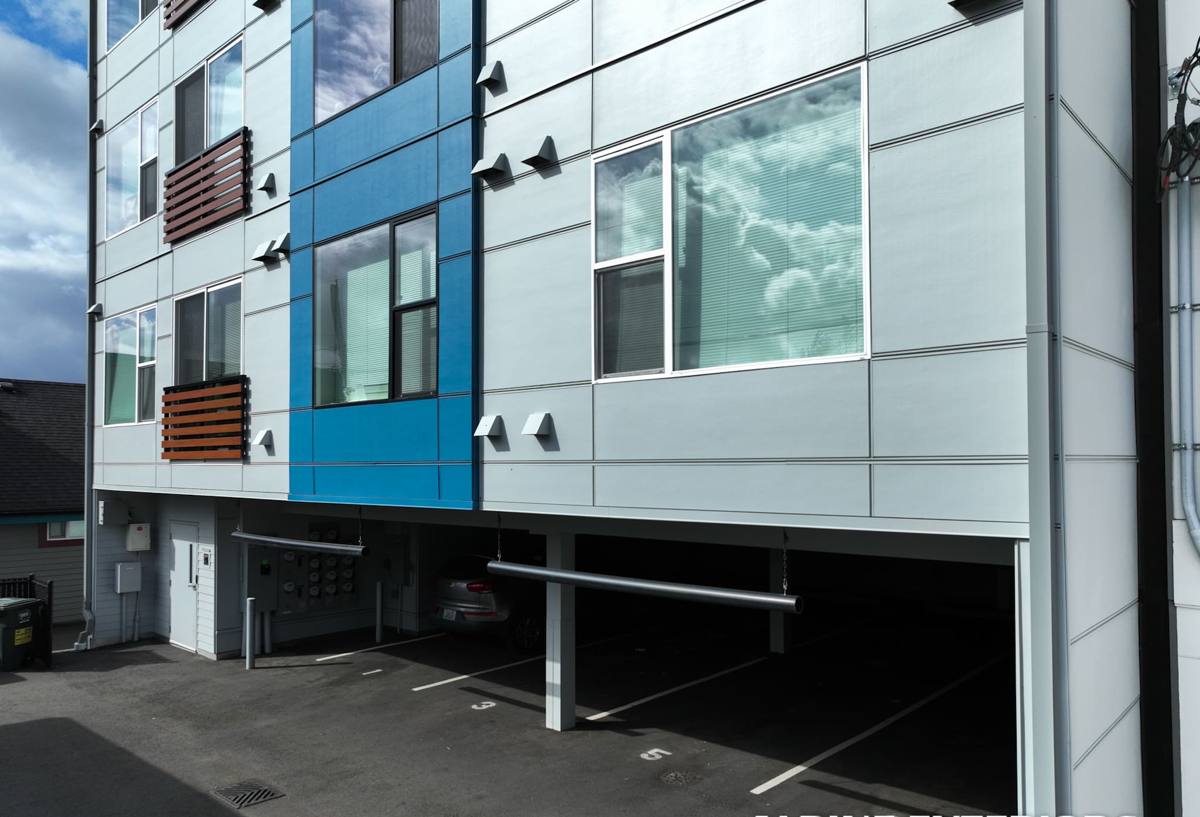
What Allura Gets Right
Fiber cement as a category beats wood, vinyl, and engineered wood siding on the things that matter most in a wet climate: it doesn't rot, it resists pests, and it holds paint and factory finishes far longer than raw wood ever will. Allura's boards are made with the same basic cement-cellulose formulation that defines the category, and they carry a factory-applied finish option (ColorMax) that's meant to reduce on-site painting. For a homeowner comparing fiber cement to vinyl or LP SmartSide, Allura is a legitimate step up, and we'd rather see it on a house than engineered wood siding that isn't rated for this level of moisture exposure.
Allura is also generally priced a notch below James Hardie, which is the main reason it shows up in bids at all. For some homeowners on a tight budget, that price gap is the whole conversation. We understand the appeal — we just don't think it's the right trade to make once you look at what's actually different underneath the surface.
Where the Trade-Offs Show Up
Regional Engineering
James Hardie builds its siding formulations by climate zone — HZ5 for the Pacific Northwest specifically accounts for the freeze-thaw cycles, sustained damp conditions, and moisture exposure that define our winters. It's a real engineering distinction, not a marketing label, and it reflects decades of Hardie's own field data collected specifically from wet coastal and marine climates like ours. Allura does not offer that same climate-zoned product architecture. Its formulation is more uniform across regions, which means it wasn't built around the specific combination of driving rain, salt-laden air, and prolonged dampness that a house in Everett deals with for most of the year.
Track Record in This Exact Climate
We've been installing and servicing Hardie products long enough in Snohomish County to know how the material behaves ten and fifteen years in — how it holds its finish, how it performs at butt joints and inside corners, how it reacts when a job was flashed correctly versus when it wasn't. That accumulated, local, hands-on knowledge is worth a lot when something eventually needs a repair or a color match. We don't have that same depth of long-term local field experience with Allura, and honestly, few contractors in this market do, simply because it hasn't been installed here nearly as long or in anywhere near the volume that Hardie has.
Warranty Structure and Backing
Both companies offer product warranties, but they're structured differently, and the fine print matters more than the headline number. Hardie's warranty program is built around its ColorPlus factory finish and is transferable to a subsequent homeowner, which matters for resale — buyers and their inspectors recognize the Hardie name and know what the coverage means. Allura's warranty coverage exists too, but it doesn't carry the same market recognition, and a warranty is only as useful as the company standing behind it twenty years down the road and the ease of actually using it.
Installation Sensitivity
Fiber cement in general is unforgiving of shortcuts — wrong fasteners, missing flashing, tight joints with no expansion gap, and caulk used where a proper gap or trim piece belongs will all cause problems regardless of brand. Hardie has invested heavily in contractor training and published installation specs that are widely taught and widely enforced through certification programs. That ecosystem of trained installers and documented best practice is deeper and more mature for Hardie than it is for Allura in this market, which matters when the difference between "installed correctly" and "installed close enough" only becomes visible after a few wet winters.
Side-by-Side: Allura vs. James Hardie
| Factor | Allura Fiber Cement | James Hardie |
|---|---|---|
| Climate-specific formulation | General formulation, not zoned by climate | HZ5 zone formulation engineered for Pacific Northwest conditions |
| Factory finish option | ColorMax factory finish | ColorPlus factory finish, wider color and texture line |
| Warranty transferability | Manufacturer warranty, less standardized secondary-market recognition | Transferable warranty, widely recognized at resale |
| Local installer depth | Fewer certified, experienced installers in this region | Established base of certified installers and long local track record |
| Upfront material cost | Generally lower | Generally higher |
| Long-term regional field history | Limited long-term data specific to Puget Sound conditions | Extensive long-term field history in marine PNW climates |
Why "Cheaper Per Square Foot" Isn't the Full Cost
A lower material price only tells part of the story. Siding is a twenty-to-forty-year decision, and the real cost includes how often you're touching up caulk lines, whether the finish is still holding color a decade in, how easy it is to find a matching replacement board if a section gets damaged, and what happens to resale value when a buyer's inspector notes an unfamiliar or less-established siding brand. None of those show up on the initial quote, but all of them show up eventually.
We'd rather have a homeowner pay a fair, honest price up front for a system we're confident will still be performing well when their kids are in high school, than save a few dollars a square foot on something we can't stand fully behind for that timeframe in this specific climate.
What Everett and Snohomish County Weather Actually Does to Siding
This isn't abstract. Homes closer to the water deal with salt air that accelerates corrosion on fasteners and trim hardware, which is why fastener selection and flashing detail matter as much as the siding board itself. Driving rain off Puget Sound, especially in fall and winter storms, pushes water sideways into joints and laps in a way that drier climates never test for. And the long moss and algae season here — which can run from early fall through late spring on north-facing and shaded walls — means a siding finish either sheds and resists that growth or it becomes a maintenance headache every year. Any material we put on a house here has to hold up to all three of those conditions at once, year after year, not just survive a lab test.
What We Install Instead, and Why
We install James Hardie exclusively — specifically the HZ5 product lines with the ColorPlus factory finish — because it's the combination we trust most for this exact climate. That includes lap siding, panel siding, and trim, all finished at the factory under controlled conditions rather than field-painted, which gives a more consistent, longer-lasting color and reduces the on-site variables that cause early finish failure. It's also the non-combustible option, which matters increasingly to homeowners and insurers alike, and it's backed by a warranty structure that transfers cleanly if the home sells.
We're not paid more or less based on which brand we recommend — this is simply the product we've found holds up best, installs most predictably, and gives homeowners in this region the fewest surprises over time.
Questions Worth Asking Any Siding Bid
Whether you go with us or another contractor, and whichever fiber cement brand ends up on the quote, these are the questions worth asking before you sign anything:
- Is the siding formulation rated or zoned for Pacific Northwest / marine climate conditions?
- Is the finish factory-applied or field-painted, and what does that finish's coverage actually include?
- Is the warranty transferable to a future homeowner, and what voids it?
- How many years has the installer been putting up this specific brand in this specific county?
- What fastener and flashing details are being used at seams, corners, and window/door penetrations?
- Does the quote separate material cost from labor, so you can see what you're actually paying for expertise versus product?
Our Honest Bottom Line
Allura isn't a bad product — it's a fiber cement siding made by a real manufacturer, and for some homeowners in some climates, it does the job fine. But we don't install products we can't fully stand behind for the specific conditions a house in Everett or anywhere else in Snohomish County actually faces, and Allura doesn't clear that bar for us the way James Hardie does. That's a standard we hold across every job, not a sales pitch tailored to whoever's asking.
If you're weighing siding options and want a straight answer about what will actually hold up on your house, we're happy to walk the property, look at your exposure to weather and sun, and put together a free, no-pressure estimate using the form below.