 Everett
 Roofing Built for Silver Lake's Conditions
Silver Lake sits in south Everett, ringed by mature trees and close enough to the water that homes here deal with a specific mix of weather stress: near-constant fall and winter rain, salt-laden air drifting in off Puget Sound, and heavy tree canopy that keeps roofs shaded and damp for long stretches of the year. That combination is exactly what shortens the life of an asphalt shingle roof if it wasn't installed with this climate in mind. We've worked on roofs throughout this neighborhood and know which details actually matter here versus which ones are just upsells.
This page covers what an asphalt shingle roof needs to hold up in Silver Lake specifically — not generic roofing advice, but the practical decisions that separate a roof that lasts from one that needs attention every couple of years.
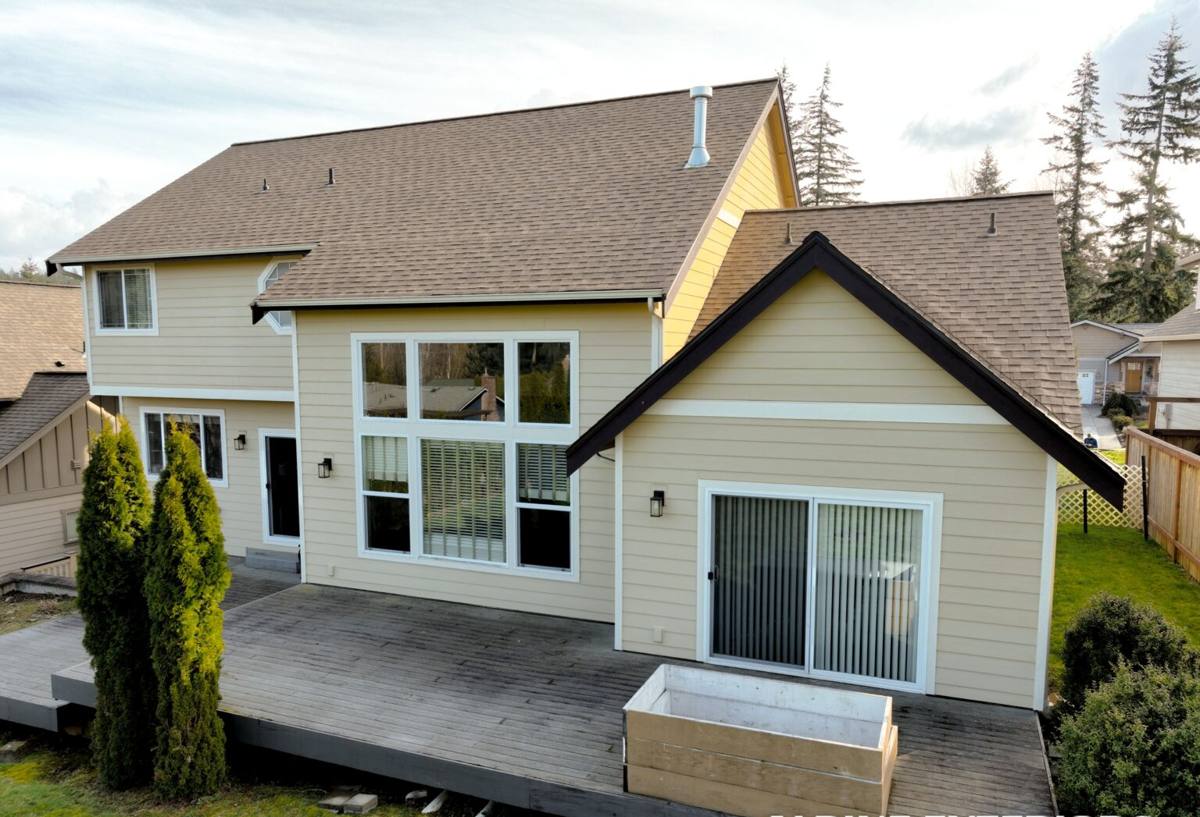
Why Silver Lake Roofs Wear Differently
Three things drive most of the roofing problems we see in this part of Everett:
Moss and Algae Season Runs Long
The tree cover around Silver Lake keeps roof surfaces shaded, which means shingles stay damp long after a storm has passed elsewhere in Snohomish County. That extended dampness is exactly what moss and algae need to take hold. Once moss roots into shingle granules, it lifts them, traps more moisture underneath, and accelerates wear well beyond what the shingle's rated lifespan assumes.
Driving Rain Finds Weak Points
Everett doesn't just get steady rain — it gets wind-driven rain that pushes water sideways and uphill under shingle edges, at valleys, and around anything penetrating the roof deck. A roof that would be fine in a drier climate with looser flashing or minimal underlayment overlap will leak here.
Salt Air Accelerates Metal Corrosion
Even set back from the immediate waterfront, Everett homes get enough salt-laden air to speed up corrosion on exposed fasteners, flashing, and vent components. Standard galvanized hardware corrodes faster here than it would inland, which shows up first as rust streaks and eventually as failed flashing seams.
Signs Your Silver Lake Roof Needs Attention
Because moss and moisture damage build up gradually, most homeowners don't notice a problem until it's already affecting the interior. Watch for:
- Moss or dark green-black streaking on north-facing or shaded slopes
- Granules collecting in gutters or at downspout outlets
- Shingles that look cupped, curled, or lifted at the edges
- Soft or spongy spots when walked on (a sign of decking damage underneath)
- Rust staining around vent pipes, flashing, or exposed nail heads
- Daylight visible through the attic roof deck, or damp insulation below it
- Water stains on ceilings, especially near chimneys, skylights, or roof valleys
Any one of these on its own might not mean much. Two or three together usually means the roof needs a real inspection, not just a surface cleaning.
What a Correct Asphalt Shingle Installation Involves
A shingle roof is only as good as what's underneath it. In a climate like this one, the underlayment and flashing details matter as much as the shingle brand printed on the wrapper.
Full Tear-Off, Not Layering
We remove the old roofing down to the deck rather than installing over existing layers. Layering hides deck damage, traps moisture between layers, and voids most manufacturer warranties outright.
Deck Inspection and Repair
Once the old roofing is off, we check the decking for soft spots, delamination, or rot — common wherever moss or leaks have been sitting unaddressed. Any damaged sheathing gets replaced before anything new goes down; skipping this step is the single most common cause of early failure.
Ice and Water Barrier at Vulnerable Areas
Self-adhering waterproof membrane goes down at eaves, valleys, and around penetrations — the spots where wind-driven rain is most likely to work its way under shingles.
Synthetic Underlayment Across the Field
Synthetic underlayment sheds water better and holds up longer under damp conditions than older felt products, which matters given how long this roof will stay wet during a normal Everett winter.
Corrosion-Resistant Flashing and Fasteners
Given the salt air here, we use flashing and fastener materials chosen to resist corrosion rather than the minimum-spec hardware that starts rusting within a few seasons.
Proper Nailing and Ventilation
Correct nail placement and count per shingle affects wind resistance and warranty validity. Balanced intake and exhaust ventilation keeps the attic dry, which reduces condensation-driven deck rot and helps shingles from the underside as well as the top.
Choosing the Right Shingle for This Climate
Not every shingle line is built the same, and the right choice depends on budget, roof complexity, and how much moss resistance matters to you.
| Shingle Type | Typical Lifespan | Moss/Algae Resistance | Best For |
|---|---|---|---|
| Standard 3-tab | 15-20 years | Low unless treated | Budget-conscious re-roofs on simple roof lines |
| Architectural/laminate | 25-30 years | Moderate to high with algae-resistant granules | Most Silver Lake homes; better wind and impact rating |
| Algae-resistant (AR) laminate | 25-30+ years | High — copper/zinc granules discourage growth | Heavily shaded, tree-covered lots |
| Impact-resistant | 25-30+ years | Moderate to high | Homes wanting extra durability against debris and hail |
For most properties around Silver Lake, given the shade and moisture, we generally recommend a laminate shingle with algae-resistant granules. The upfront cost difference over standard 3-tab is modest compared to what re-roofing early because of moss damage would cost.
Repair or Full Replacement? What Actually Drives the Decision
Not every roofing issue means a full replacement. We assess based on a few honest factors rather than defaulting to the most expensive option.
| Factor | Leans Toward Repair | Leans Toward Replacement |
|---|---|---|
| Roof age | Under 12-15 years | Approaching or past shingle's rated lifespan |
| Extent of damage | Isolated to one slope or area | Widespread moss, curling, or granule loss |
| Decking condition | Solid, no soft spots | Rot or delamination found during inspection |
| Number of existing layers | Single layer, good condition | Multiple layers already present |
| Interior signs | None | Active leaks, stains, or attic moisture |
We'll tell you plainly if a repair is the right call — plenty of roofs here just need moss removal, a few replaced shingles, and better ventilation rather than a full tear-off.
How Our Process Works
- On-site inspection. We walk the roof and check the attic, not just look from the ground.
- Straightforward written estimate. Scope, materials, and price laid out clearly, with repair vs. replacement options explained.
- Material selection. We go over shingle options and ventilation upgrades suited to a shaded, moss-prone property.
- Tear-off and deck repair. Old roofing removed, decking inspected and repaired as needed.
- Installation. Ice and water barrier, underlayment, flashing, and shingles installed to manufacturer and code specifications.
- Site cleanup. Magnetic sweep for nails and full debris removal before we leave.
- Final walkthrough. We review the finished roof with you and answer any questions before closing out the job.
Why a Crew That Already Works Silver Lake Matters
Roofing in a lake-adjacent, tree-heavy neighborhood is different from roofing an open lot with no canopy. A crew that regularly works this area already knows to plan around tight, tree-lined access for material delivery and debris haul-off, to expect heavier moss buildup on north-facing slopes even on newer roofs, and to schedule around Everett's rain patterns so a tear-off doesn't leave a deck exposed longer than it should be. We're also familiar with Everett and Snohomish County permitting requirements, so that part of the job doesn't become a delay.
None of that is complicated, but it's the difference between a crew learning your neighborhood on your dime and one that already knows what to expect before the first ladder goes up.
Keeping Your Roof Healthy Between Services
A well-installed roof in Silver Lake still needs some upkeep given the moss and moisture load. A few habits go a long way:
- Clean gutters at least twice a year — clogged gutters back water up under the shingle edge
- Have moss physically removed rather than pressure-washed, which can strip granules
- Consider zinc or copper control strips at the ridge to slow future moss growth
- Trim back overhanging branches to reduce shade and debris buildup on the roof
- Check the attic once a year for moisture, staining, or daylight through the deck
- Address small leaks or lifted shingles promptly rather than waiting for a bigger problem
None of this requires a professional visit every time, but an annual check from someone who knows what to look for catches small issues before they become deck repairs.
Get a Straightforward Estimate
If you're noticing moss buildup, aging shingles, or you just want an honest read on how much roof life you have left, we're happy to take a look. The estimate is free, there's no pressure to move forward, and we'll tell you plainly whether you need a repair or a full replacement. Use the form below to get started.