 Everett
 New Roof Installation for Delta Homes in Everett
The Delta neighborhood sits close enough to Puget Sound and the Snohomish River that its homes take on a particular kind of weather load: salt-laden air moving in off the water, long stretches of driving rain through fall and winter, and a moss season that can run nine months out of the year if a roof isn't shedding water and drying out the way it should. A new roof installation here isn't just about picking shingles and nailing them down. It's about building a roofing system that can handle wind-driven rain hitting the eaves sideways, humid air sitting under the deck overnight, and organic growth that never fully goes dormant.
Homeowners in this part of Everett often come to us after patch-repairing a roof for years — a few shingles here, a resealed flashing there — only to find the underlying decking or underlayment has been quietly failing the whole time. A full new roof installation, done correctly for this climate, resets that clock and gives you a roof that's actually built for Snohomish County conditions rather than a generic install.
What Local Homes Actually Need From a New Roof
Every region has its own failure patterns, and Everett's are pretty consistent. If you own a Delta-area home, your new roof needs to account for a few specific things:
- Sustained, low-intensity rain rather than short heavy storms — the roof needs to shed water efficiently over long soak periods, not just handle a downpour
- Moss and moderate algae growth encouraged by shade, moisture, and mild temperatures most of the year
- Salt-influenced air near the water that can accelerate corrosion on unprotected metal fasteners and flashing
- Wind gusts off the Sound that test the seal strength of shingles and the fastening pattern underneath
- Mature tree cover common in older Everett neighborhoods, which means more debris, more shade, and slower drying after rain
None of these are dramatic on their own. What they add up to, over years, is a roof that needs better ventilation, better underlayment, and more attention to detail at every penetration point than a roof installed somewhere hot and dry would ever require.
What a Correct Installation Actually Involves
Tear-Off and Deck Inspection
We don't install a new roof over an old one. A full tear-off lets us see the decking underneath — and in this climate, that matters. Years of slow moisture intrusion around old flashing or worn shingles can soften plywood or OSB decking long before it's visible from the attic. Any soft, delaminated, or water-stained decking gets replaced before anything new goes down. Installing new shingles over compromised decking is one of the most common shortcuts in the industry, and it's one we don't take.
Underlayment Built for Wet Climates
In a region with this much sustained rainfall, underlayment choice matters more than most homeowners realize. We use synthetic underlayment across the full roof deck and self-adhered ice-and-water membrane at the eaves, valleys, and any low-slope transitions — the spots where water lingers longest and wind can drive rain up under the shingle edge.
Ventilation That Actually Balances
A roof deck that can't breathe traps moisture underneath it, which is exactly what feeds moss, rot, and premature shingle failure from below. We calculate intake (soffit) and exhaust (ridge or box vents) together, not separately, so airflow actually moves through the attic space instead of just existing on paper.
Flashing and Fasteners That Resist Corrosion
Around chimneys, skylights, dormers, and sidewalls, flashing is where most roof leaks actually start — not in the open field of shingles. We use corrosion-resistant flashing and fastener materials appropriate for the coastal-influenced air common to this part of Snohomish County, and we form and step-flash each transition individually rather than relying on caulk to do the sealing.
Roofing Materials: How They Perform in This Climate
| Material | Moss/Moisture Resistance | Typical Lifespan Here | Maintenance Notes |
|---|---|---|---|
| Architectural asphalt shingle | Good, especially with algae-resistant granules | 25–30 years | Periodic moss removal recommended; most common and cost-effective choice locally |
| Standard 3-tab shingle | Fair | 15–20 years | Lower upfront cost but shorter service life in wet climates |
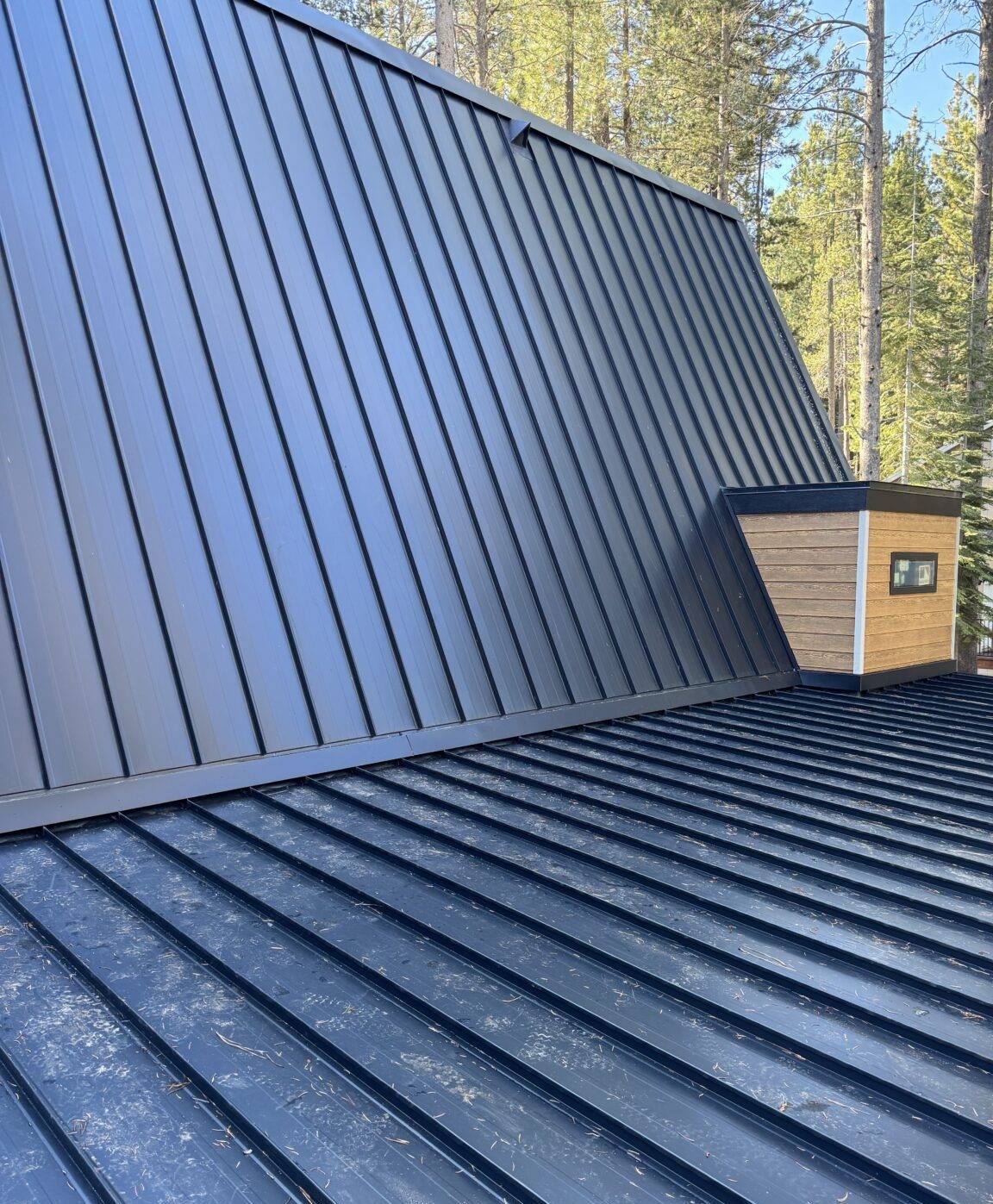
| Standing seam metal | Excellent — moss struggles to gain a foothold | 40–50+ years | Higher upfront cost; needs correct fastener spec near salt air |
| Composite/synthetic shake | Good | 30–40 years | More resistant to moisture cycling than natural wood shake |
We steer most Delta-area homeowners toward algae-resistant architectural shingles or standing seam metal, depending on budget and the home's exposure to shade and moisture. Natural wood shake, while attractive, carries a higher maintenance burden in a climate this consistently damp — it's a trade-off worth discussing honestly rather than avoiding.
Moss Season: Why It's Different Here
In much of the country, moss is a cosmetic nuisance. In Snohomish County, it's a structural concern if left unaddressed. Moss holds moisture directly against the shingle surface, works its way under tabs as it grows, and can lift shingle edges enough to let wind-driven rain underneath. A roof installed without algae-resistant materials or proper airflow will start showing moss growth again within a couple of years, even on a brand-new install — the environment hasn't changed, only the roof has.
Part of a correct installation is designing around this from day one: shingle selection with copper or zinc-infused granules where appropriate, proper ridge ventilation to keep the deck drier, and attention to any shaded slopes that will stay damp longer after rain than sun-exposed sections of the same roof.
Our New Roof Installation Process
- On-site inspection and estimate — we walk the roof, check attic ventilation and decking condition where accessible, and give you an honest read on what the job actually needs
- Material selection — we walk through shingle or metal options with real trade-offs, not just upsells
- Tear-off and deck repair — full removal of the old roofing, replacement of any compromised decking
- Underlayment and flashing — ice-and-water membrane at vulnerable points, synthetic underlayment across the field, new flashing at every penetration
- Installation — shingles or panels installed to manufacturer spec and correct nailing/fastening pattern for wind exposure
- Ventilation check — intake and exhaust balanced before we call the job done
- Final walkthrough — cleanup, magnetic sweep for stray fasteners, and a walk-through so you know exactly what was done
What Affects the Cost of a New Roof Installation
| Factor | Why It Matters |
|---|---|
| Roof size and pitch | Steeper roofs take longer to work safely and use more material for the same footprint |
| Number of penetrations | Chimneys, skylights, and vents each require individual flashing work |
| Decking condition | Rot or delamination found during tear-off adds material and labor |
| Material choice | Architectural shingle, metal, and composite shake carry different material and labor costs |
| Tree cover and access | Heavy tree canopy common in older Everett lots can slow debris removal and staging |
| Layers to remove | Homes with an existing layer or two of old roofing take longer to tear off |
We give a written estimate after seeing the actual roof — not a phone-quote guess — because these factors vary enough house to house that a fair number requires a real look.
Signs Your Roof Is Due for Replacement, Not Repair
- Granules collecting heavily in gutters or downspouts
- Shingles that are curling, cupping, or cracking across multiple areas of the roof
- Moss or dark streaking that returns quickly after cleaning
- Daylight visible through the roof deck from inside the attic
- Soft spots or sagging noticeable when walking the roof or viewed from the ground
- Roof is approaching or past 20–25 years old with no major work done
- Recurring leaks around the same flashing points despite prior repairs
If you're only seeing one or two of these, a repair may still make sense. If several apply at once, patching usually ends up costing more over a few years than a properly installed new roof would have.
Why a Crew That Already Works in Delta Matters
Roofing standards and code requirements can vary by jurisdiction, and permitting expectations in Everett and Snohomish County are worth knowing before work starts, not after. A crew that already works this part of Everett knows the local permitting process, has a feel for how exposure and tree cover vary block to block, and isn't guessing at how this climate treats a roof over time. That familiarity shows up in small decisions — where to add extra underlayment, which slopes need the most ventilation attention, how a given roof line tends to catch wind off the Sound — that a crew unfamiliar with the area might not think to account for.
It also means we're not disappearing after the job. A local crew is one you can call back if a question comes up during the warranty period, and one whose work is visible on other roofs in the neighborhood, not just in a portfolio photo.
Warranty and What to Expect After Installation
Materials carry manufacturer warranties that vary by product line, and we back our installation work separately from that. Before the crew leaves, you'll get clear documentation of what was installed, the warranty terms that apply, and basic guidance on the kind of maintenance — mainly periodic moss and debris removal — that keeps a roof performing well in this climate for its full service life.
If your Delta-area roof is showing its age or you're planning ahead rather than reacting to a leak, we're happy to take a look and walk you through honest options. Use the form below to request a free, no-pressure estimate — we'll assess the roof, explain what we find, and give you a straightforward number with no obligation.