 Everett
 Board & Batten in a Salt Air, Rainy Climate
Board and batten has become one of the most requested siding profiles in the Everett area, and Snohomish homes are a good fit for it — the vertical lines read well against the mix of craftsman, farmhouse, and newer construction styles common in this part of Snohomish County. But the look is only half the story. Out here, board and batten has to survive salt-laden air moving in off Puget Sound, long stretches of driving rain, and a moss season that can run from fall through spring. A profile that looks identical to one installed in Arizona behaves very differently once it's up against this climate.
The batten strips that give this siding its signature shadow lines are also its most vulnerable feature if the job is done wrong. Every vertical batten creates a seam, and every seam is a place where wind-driven rain can find its way behind the cladding if the water management underneath isn't built correctly. This page is about what a correct board and batten installation actually requires in Snohomish's climate — not just how it looks, but how it holds up.
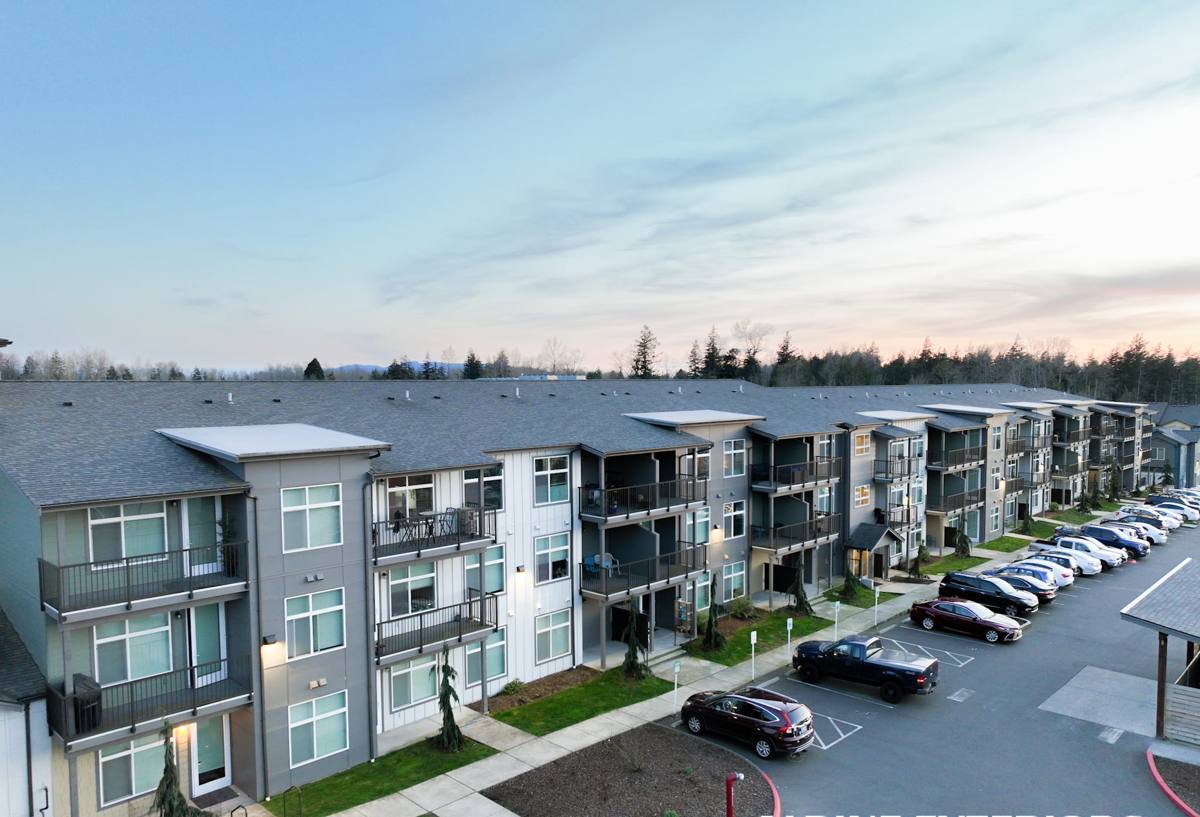
What Snohomish's Climate Actually Does to Siding
Three climate factors matter most for board and batten on a Snohomish home:
- Salt air: Even at a distance from the water, airborne salt accelerates corrosion on fasteners, flashing, and any metal trim. Untreated or undersized fasteners can start staining or weakening years before the siding itself shows wear.
- Driving rain: Storms here don't just fall straight down — wind pushes rain sideways into wall assemblies, and vertical batten seams are a direct path for that water if there's no drainage plane behind the panels.
- Moss and sustained moisture: Snohomish's tree cover and long damp season mean north-facing and shaded walls stay wet longer than homes see in drier climates. Moss and algae need that sustained moisture, and any siding material that absorbs water instead of shedding it becomes a host for it.
None of this is unique to board and batten — it's true of any siding style here. But because board and batten adds extra seams and requires a batten strip fastened over a base panel, the installation details matter more than they do with a flat lap profile.
What a Correct Board & Batten Job Involves
The Drainage Plane Comes First
Before any siding goes up, the wall needs a water-resistive barrier and, on most Snohomish jobs, a rainscreen gap — a thin vertical furring space that lets any moisture that gets past the cladding drain and dry out instead of sitting against the sheathing. Skipping this step is one of the most common shortcuts we see on older board and batten jobs, and it's usually invisible until rot shows up ten or fifteen years later.
Panel and Batten Layout
Board and batten is installed as a base panel with vertical battens fastened over the joints and at regular intervals across the field. Batten spacing, fastener placement, and panel gapping all have to follow the manufacturer's engineering — not eyeballed for looks. Panels need expansion gaps at butt joints and around penetrations (vents, hose bibs, light fixtures) so the material can move seasonally without cracking the caulk joint.
Flashing and Penetrations
Every window, door, and wall penetration needs proper head flashing and kick-out flashing where a roofline meets a wall. This is where driving rain finds its way in if it's missed, and it's the single most common cause of hidden water damage we find when we tear off old siding in this area.
Fasteners and Trim
In a salt-air environment, fastener choice matters more than most homeowners realize. Corrosion-resistant fasteners rated for the exposure, and trim/flashing metals that won't react badly with the siding material, are non-negotiable — not an upgrade option.
Where Board & Batten Jobs Go Wrong
Most of the board and batten failures we get called out to inspect in Snohomish trace back to one of a handful of installation shortcuts:
- No rainscreen or drainage gap behind the panels, so moisture that gets past a seam has nowhere to go but into the sheathing
- Battens face-nailed too close to panel edges, splitting the substrate and opening a path for water
- Missing or undersized kick-out flashing at roof-to-wall transitions
- Caulk used to "solve" a flashing problem instead of actual flashing
- Panels installed tight to grade or landscaping, keeping the bottom edge constantly damp
- Standard fasteners used where corrosion-resistant ones were needed
Every one of these is preventable at the install stage and expensive to fix afterward. That's the core argument for getting the installation right the first time rather than treating board and batten as a cosmetic upgrade.
Our Process on Snohomish Homes
| Step | What Happens |
|---|---|
| Site walk | We assess existing siding, sheathing condition, roofline intersections, and shaded/damp wall sections before quoting anything. |
| Tear-off & inspection | Old siding comes off and we check the sheathing underneath for hidden rot before covering it back up. |
| Water-resistive barrier & rainscreen | House wrap and drainage gap installed to spec, not skipped to save a day of labor. |
| Flashing | Window, door, and roof-to-wall flashing installed or replaced to current best practice. |
| Panel & batten install | James Hardie panels and battens installed to manufacturer fastening and gapping specs. |
| Final walk-through | We review the finished job with the homeowner before calling it done. |
Why We Only Install James Hardie for This Profile
We install James Hardie fiber cement exclusively — we don't offer LP SmartSide, vinyl, Cemplank, Allura, primed spruce, or cedar board and batten, even though all of those are technically available. That's a deliberate standard, not a limitation of what we know how to install.
For board and batten specifically, the material choice matters even more than it does for flat lap siding, because the battens are proud of the wall and take direct weather exposure on their own faces and edges. Hardie's fiber cement is non-combustible and dimensionally stable, which means the battens hold their fastening and their caulk lines far better over time than wood-based alternatives that expand, contract, and can absorb moisture at cut edges. The factory-applied ColorPlus finish also matters here — a board and batten profile has a lot of edges and seams, and a finish that's baked on at the factory rather than field-painted holds color more evenly across all of that trim.
Wood-based and engineered wood products can perform well when maintained aggressively, but board and batten profiles have more exposed end grain and seams than a lap profile, and that's exactly where those products are most sensitive to Snohomish's rain and moss season. Vinyl board and batten, meanwhile, is a much lighter-gauge product that doesn't hold the crisp shadow lines or rigidity the profile is known for, and it has real limits in how it handles heat and impact. We standardized on Hardie's HZ5 product line, engineered for this Pacific Northwest climate zone, because it's the product we're comfortable standing behind on this specific profile in this specific weather.
Cost Factors for Board & Batten in This Area
| Factor | Why It Moves the Price |
|---|---|
| Tear-off vs. new construction | Removing old siding and repairing sheathing damage adds labor beyond a bare-wall install. |
| Wall complexity | Dormers, gables, and multiple roof-to-wall intersections mean more flashing and cut work. |
| Batten spacing/pattern | Tighter batten spacing or a mixed-width pattern takes more material and labor than a standard layout. |
| Trim and color | Custom trim details and ColorPlus color selection affect material cost. |
| Accessibility | Steep grades, tight side yards, or multi-story walls affect staging and labor time. |
We give exact numbers only after a site walk — anyone quoting a firm price without seeing the house isn't accounting for what's actually on the wall.
Why a Crew That Already Works Snohomish Matters
Board and batten installed by a crew that hasn't worked much in this specific climate tends to under-detail the drainage and flashing work, because those details matter less in drier regions. A crew that regularly works Snohomish and the greater Everett area already knows which wall orientations hold moisture longest, how local moss growth behaves on different wall assemblies, and how salt exposure changes fastener and flashing choices block by block. That local repetition is what keeps a board and batten install from becoming a maintenance headache five years in.
Permitting and inspection expectations in Snohomish County are also something a local crew navigates routinely rather than learning on your project. That familiarity translates into fewer surprises and a smoother timeline.
What to Check Before You Hire
- Do they specify a rainscreen/drainage gap for board and batten, or just wrap and go?
- Can they explain their kick-out flashing detail at roof-to-wall intersections?
- Do they use manufacturer-specified fasteners and gapping, not a generic approach?
- Will they inspect and repair sheathing before covering it, not just re-side over problems?
- Do they carry proper licensing and insurance for exterior work in Washington?
- Will they put the scope of work and material specs in writing before starting?
If a bid skips any of these questions, it's worth asking why before signing anything.
If you're weighing board and batten for a home in Snohomish, we're glad to walk the property, look at your wall orientations and moisture exposure, and put together a straightforward, no-pressure estimate — just fill out the form below to get started.