 Everett
 Windows Built for Riverside's Particular Climate
Riverside sits close to the Snohomish River and not far from the salt-influenced air moving in off Port Gardner Bay, which means homes here take on a different kind of weather load than houses just a few miles inland. Custom windows in this part of Everett have to handle three things at once: airborne salt that accelerates corrosion on hardware and finishes, driving rain that gets pushed sideways into wall assemblies during winter storms, and a moss season that can stretch from October well into May. A window that isn't specified and installed with those three factors in mind will start showing problems in the first few winters — fogged glass, sticking sashes, soft trim, or a slow drip behind the wall that nobody notices until the sill is spongy.
We treat window work in Riverside as a local-conditions job, not a generic replacement. That shapes everything from the frame material we recommend to how we flash the opening before the new window ever goes in.
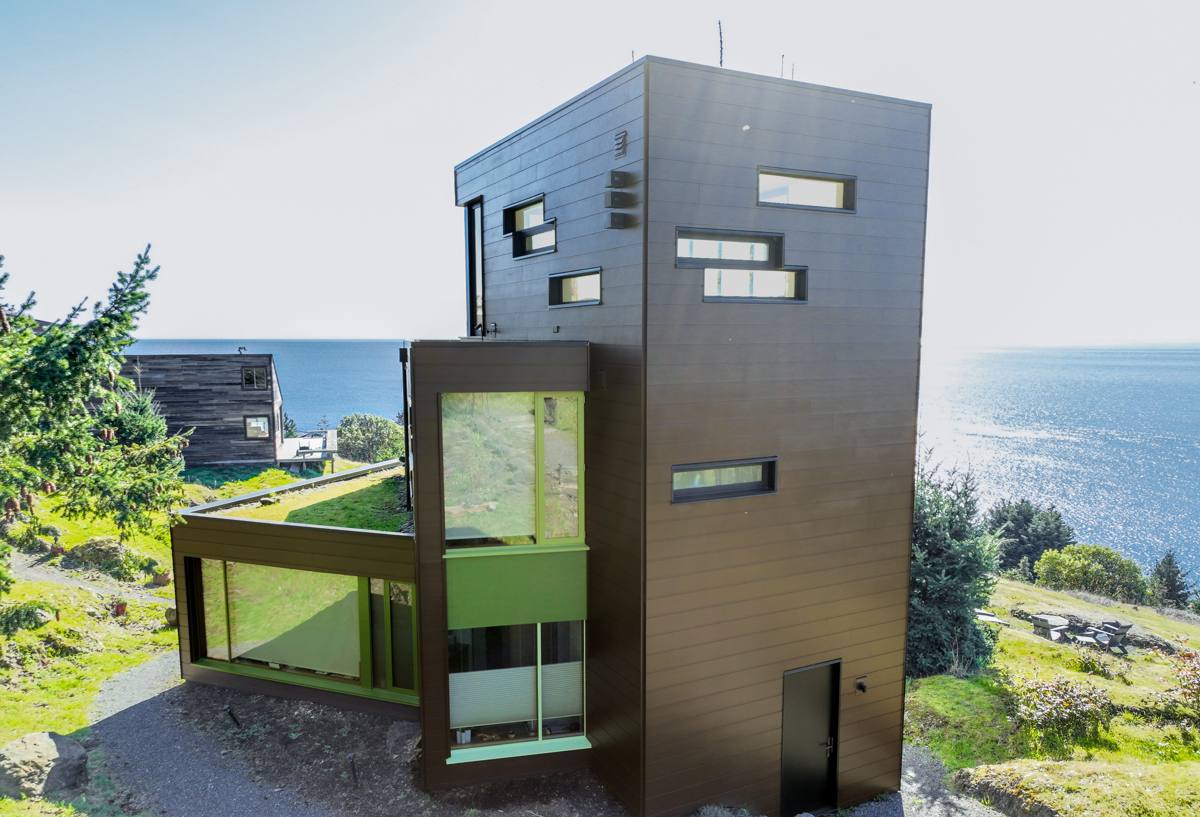
What Riverside Homes Are Up Against
Salt Air and Metal Fatigue
Even a few miles from open water, salt-laden air carries into Everett neighborhoods on prevailing winds and settles on exterior surfaces. Over years, that accelerates corrosion on window hardware — hinges, cranks, balances, and screen frames — especially on unprotected or lower-grade aluminum and steel components. It also degrades certain paint and coating systems faster than manufacturers' standard warranties assume, which is why hardware and finish selection matters as much as the frame material itself.
Driving Rain
Everett's winter storms don't just rain straight down — wind-driven rain gets forced sideways and upward under sills and around trim, especially on west- and south-facing walls that catch the weather. If a window's flashing and sealant details aren't done correctly, water finds its way behind the siding and into the wall cavity long before anyone sees a stain inside. This is one of the most common failure points we find on older Riverside homes: not a bad window, but a window that was installed without proper weather-resistive barrier integration.
The Long Moss Season
Snohomish County's mild, wet winters are ideal moss-growing conditions, and moss doesn't stay confined to roofs. It establishes on north-facing trim, in window tracks, and in any spot that stays damp and shaded for weeks at a time. Beyond the cosmetic issue, moss holds moisture against wood trim and caulk joints, which shortens the life of both. Window and trim materials that resist moisture retention — and details that keep water moving off the sill instead of pooling — make a real difference over a 15- to 20-year window lifespan.
What a Correct Custom Window Job Actually Involves
"Custom" doesn't just mean a non-standard size. It means the window is specified, flashed, and finished to match the specific exposure of that opening on that house. A correct job includes:
- Accurate field measurement of each opening, since older Everett homes are rarely perfectly square
- Removal of the old unit without damaging the surrounding framing or siding
- Inspection of the sill and rough opening for hidden rot or moisture damage before anything new goes in
- Correct flashing sequence — sill pan, jamb flashing, and head flashing integrated with the existing weather-resistive barrier, not just caulked over it
- Selection of frame material and hardware finish suited to the wall's sun and rain exposure
- Proper shimming and fastening so the sash operates smoothly for years, not just on install day
- Interior and exterior trim work that sheds water away from the frame rather than trapping it
Skipping any one of these steps is how a "new window" ends up with the same moisture problems as the one it replaced, just a decade later instead of immediately.
Frame Material Trade-Offs for This Area
| Material | How It Handles Salt Air & Rain | Maintenance in Moss Season | Typical Fit for Riverside |
|---|---|---|---|
| Vinyl | Good corrosion resistance since there's no bare metal to pit; seams and welds matter | Low — rinses clean, doesn't feed moss growth | Strong all-around choice for most exposures |
| Fiberglass | Excellent dimensional stability, holds paint and seals well over time | Low to moderate — durable finish resists moisture staining | Good for higher-exposure walls or larger custom units |
| Wood (clad exterior) | Interior warmth with an exterior shell that protects against rain, but any breach in the cladding invites rot | Higher — exposed wood trim needs regular inspection and refinishing | Best reserved for protected elevations, not full weather exposure |
| Bare aluminum | Most vulnerable to salt-air corrosion and condensation without a thermal break | Moderate — needs periodic hardware upkeep | Generally not our first recommendation this close to the water |
None of these materials is universally "best" — the right call depends on which wall of the house we're talking about, how much sun and rain it takes, and what the homeowner wants to maintain over time. We'll walk through those trade-offs honestly rather than pushing one product line for every opening.
Our Process on a Riverside Window Job
1. On-Site Assessment
We look at each opening individually — sun exposure, rain exposure, current condition of the sill and trim, and any signs of past water intrusion. This is also when we check for moss buildup or trapped moisture around existing frames, since that tells us a lot about how the wall assembly is performing.
2. Honest Scope and Options
We'll explain what's actually needed versus what's optional, including realistic frame material options for that specific wall. If an opening needs rough framing repair before a new window goes in, we say so up front rather than discovering it mid-install.
3. Careful Removal and Opening Prep
Old units come out without tearing up more siding or trim than necessary. Any soft or water-damaged framing gets addressed before the new window is set — installing a good window into a compromised opening just hides the problem.
4. Correct Flashing and Air Sealing
This is the step that determines whether the window performs for twenty years or five. We integrate sill pan flashing and weather barrier tie-ins so wind-driven rain is directed out, not in.
5. Finish Work That Sheds Water
Trim and sealant details are finished so water moves off the sill and away from joints, reducing the conditions moss and mildew need to take hold.
6. Walkthrough
We confirm smooth operation, check seals, and make sure the homeowner understands basic upkeep — things like keeping weep holes clear and rinsing salt film off hardware periodically.
Simple Upkeep That Extends Window Life Here
- Rinse exterior frames and hardware occasionally to clear salt film, especially on west-facing walls
- Keep sill weep holes and tracks free of debris and moss so water can drain as designed
- Trim back vegetation that shades a window most of the day, since shade plus moisture is what moss needs
- Check exterior caulk joints once a year, particularly after the first hard winter storms
- Address any soft trim or paint failure early — it's cheaper to fix a small spot than a rotted jamb
Why Local Experience with Riverside Specifically Matters
Everett is not one uniform climate zone — a house set back from the river behaves differently than one on an exposed rise, and trim that holds up fine in a drier part of Snohomish County can fail faster here. A crew that's worked Riverside knows which elevations tend to take the worst driving rain, where moss establishes fastest, and which older homes in the area commonly have flashing details that need extra attention during replacement. That kind of pattern recognition only comes from doing the work in this specific neighborhood, not from a general regional average.
It also means we're not guessing at code requirements or typical construction details for homes of this era and area — we've already seen what's behind the trim on similar Riverside houses.
What This Means for Your Project
If you're weighing a full replacement versus repairing existing windows, the honest answer depends on the current condition of your frames and sills, not just the age of the glass. Fogged double-pane glass alone doesn't always mean full replacement is necessary, but soft sills, failing seals, or visible water staining around the frame usually do. We'll give you a straight read on which situation you're in before recommending anything.
If you're ready to talk through options for your home in Riverside, we're glad to take a look and put together a free, no-pressure estimate — no obligation, just a clear picture of what your windows need and what it would take to get them right for this climate.