 Everett
 Roofing in Eastmont's Climate
Eastmont sits close enough to Puget Sound and the Snohomish River valley that homes here deal with a specific combination of weather stresses: salt-laden air moving in off the water, long stretches of driving rain from fall through spring, and a moss season that can run nearly year-round on shaded, north-facing slopes. None of these factors alone is unusual for Snohomish County. Together, over enough years, they wear down a roof faster than homeowners expect, especially if the original installation cut corners on ventilation or flashing.
A new roof in this neighborhood isn't just about picking shingles and nailing them down. It's about building an assembly that sheds water fast, breathes properly so moisture doesn't get trapped in the attic, and resists the slow biological growth that salt-air humidity and shade encourage. That's the standard we hold every Eastmont installation to.
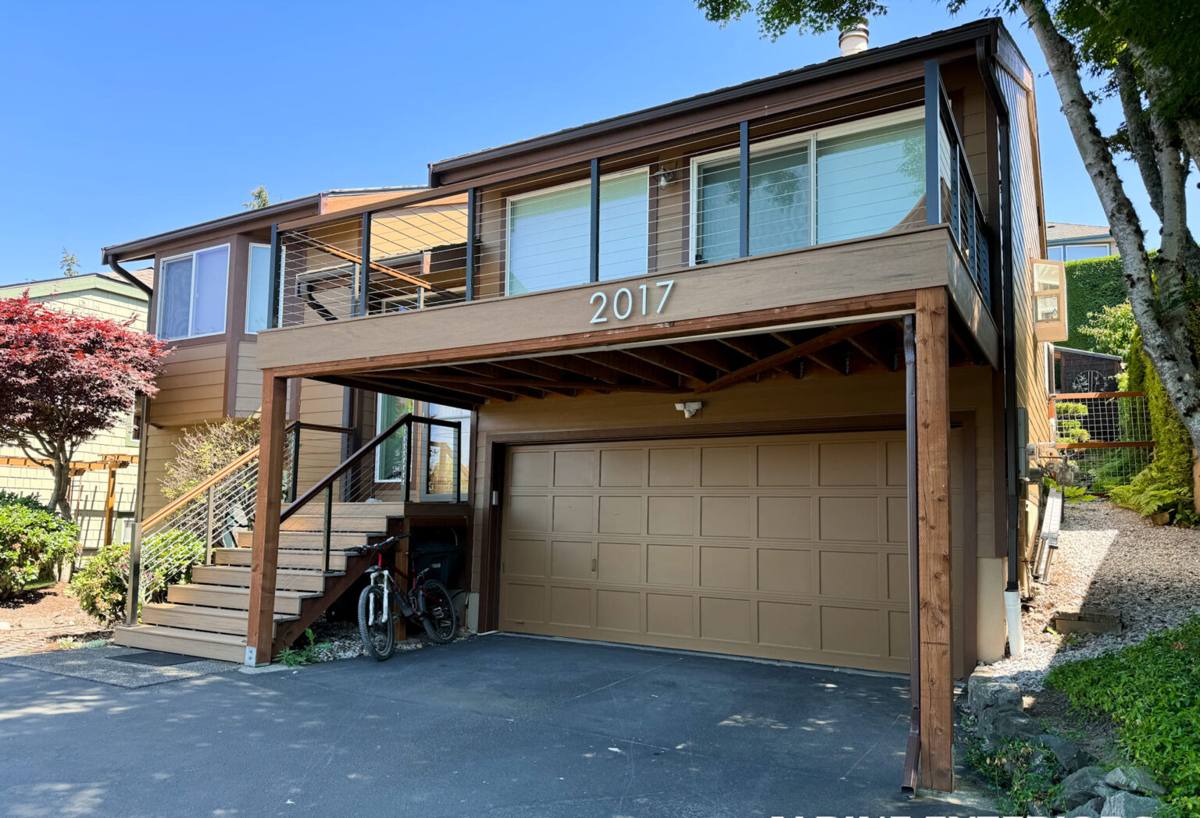
What Eastmont Homes Specifically Need From a New Roof
Every roofing job should account for its site, and Eastmont's mix of mature tree cover, coastal proximity, and older housing stock creates a fairly consistent set of demands:
- Moss resistance: Homes under tree canopy or on shaded slopes need roofing and underlayment choices that don't trap moisture where moss spores can take hold.
- Corrosion-resistant metal: Flashing, fasteners, and any exposed metal components need to hold up to salt air without rusting out years before the shingles wear.
- High wind-driven-rain protection: Storms coming off the Sound often bring rain sideways, which stresses flashing details around valleys, chimneys, and vents more than a straight-down rain would.
- Balanced attic ventilation: Trapped humid air is the single biggest driver of early roof failure and hidden deck rot in this climate.
These aren't upsells. They're baseline requirements for a roof that's supposed to last two to three decades in this specific neighborhood.
Signs a Roof Needs Replacement, Not Another Repair
We get calls from Eastmont homeowners who've had the same leak patched two or three times. Repeated patching usually means the underlying material has reached the end of its useful life, and the visible leak is just the symptom that finally showed up inside the house. Common signs it's time to talk replacement instead of another repair:
- Granule loss heavy enough that shingles look patchy or bald in spots
- Shingles that are curling, cupping, or cracking across multiple sections of the roof
- Moss or algae staining that keeps returning within a season or two of cleaning
- Soft or spongy spots when walking the roof, which usually means deck rot underneath
- Daylight visible through the roof deck from inside the attic
- A roof that's already 20+ years old and showing any of the above
If a roof is under 15 years old and the damage is isolated to one area — a chimney flashing leak, a single storm-damaged section — a repair is usually the honest recommendation. We'll tell you that directly rather than push a full replacement that isn't needed yet.
Choosing the Right Roofing Material for This Area
There's no single "best" roofing material — the right choice depends on the home's exposure, roof pitch, budget, and how much upkeep the homeowner wants to do. Here's how the common options compare for Eastmont's conditions specifically:
| Material | Moss & Moisture Resistance | Salt Air Durability | Typical Lifespan |
|---|---|---|---|
| Architectural asphalt shingle | Good, with proper ventilation and zinc/copper strips | Good — fasteners and flashing should be corrosion-resistant grade | 25-30 years |
| Standing seam metal | Excellent — sheds moisture quickly, little surface for growth | Very good with the right coating and fastener spec | 40-50+ years |
| Composite/synthetic shake | Very good — engineered to resist moisture absorption | Good | 30-50 years |
| Cedar shake (natural) | Requires ongoing maintenance to prevent moss and rot in shaded, damp conditions | Moderate — needs regular treatment | 20-30 years with upkeep |
We install architectural asphalt and metal roofing most often in this neighborhood because both hold up well against the salt air and moss pressure without demanding constant homeowner maintenance. Natural cedar can look great, but on shaded Eastmont lots it takes real, ongoing upkeep to keep moss from establishing — that's a maintenance-burden tradeoff worth knowing about upfront, not a knock on the material itself.
A Note on Flashing and Fastener Grade
Whatever the primary roofing material, the metal components matter just as much. In coastal-influenced air, standard galvanized fasteners and flashing can start showing surface corrosion years before the roofing surface itself is due for replacement. We spec corrosion-resistant flashing and fasteners on every Eastmont job for this reason — it's a small cost difference upfront against a real difference in how long the details around chimneys, valleys, and vents actually hold up.
What a Correct Installation Actually Involves
A new roof is only as good as what's underneath the visible layer. Here's what we consider non-negotiable on every full replacement:
Full Tear-Off
We remove existing roofing down to the deck rather than layering over old material. Layering traps moisture, hides deck damage, and voids most manufacturer warranties. It also means we can actually see the condition of the deck before covering it back up.
Deck Inspection and Repair
Every section of exposed decking gets inspected for soft spots, rot, or delamination — especially common near valleys and eaves where water sits longest. Damaged sections get replaced before anything new goes down; nailing new shingles over a compromised deck just guarantees a shorter roof life.
Underlayment
Synthetic underlayment across the field, with self-adhered ice-and-water membrane in the vulnerable zones — eaves, valleys, and around every penetration. In a climate with this much sustained rain, underlayment is the backup layer that keeps a wind-lifted shingle or ice dam from turning into an interior leak.
Flashing Details
Chimneys, skylights, sidewalls, and valleys get new step flashing, counterflashing, and valley metal — not just new sealant over old flashing. Sealant-only fixes are exactly the kind of "repair" that leads to the repeat leaks we mentioned above.
Ventilation
Balanced intake at the eaves and exhaust at the ridge, sized to the attic's actual square footage. This is the detail that most affects long-term shingle life and moss resistance, and it's the one most often skipped or under-sized in older installations.
How Our Process Works
- On-site inspection: We walk the roof, check the attic for ventilation and moisture signs, and assess deck condition where accessible, before quoting anything.
- Written estimate: A clear breakdown of material choice, scope, and price — no vague allowances.
- Material staging and protection: Landscaping, siding, and gutters get protected before tear-off begins.
- Tear-off and deck inspection: Old roofing comes off, deck gets inspected and repaired as needed, with any additional findings communicated before we proceed.
- Underlayment, flashing, and roofing installation: Installed in the sequence and to the spec outlined above.
- Ventilation check: Intake and exhaust verified against attic size.
- Cleanup and magnetic sweep: Full site cleanup, including a nail sweep of the yard and driveway.
- Final walkthrough: We review the finished roof with the homeowner before calling the job complete.
What Affects the Cost of a New Roof
Every roof is priced on its own specifics, but the main cost drivers are consistent from job to job:
| Factor | Why It Matters |
|---|---|
| Roof size and pitch | Steeper roofs take longer to work safely and use more material per square |
| Number of layers to remove | Tear-off labor scales with how many old layers are coming off |
| Deck condition | Rotted decking found during tear-off adds material and labor to replace it |
| Material choice | Asphalt, metal, and composite carry different material and labor costs |
| Roof complexity | Valleys, dormers, skylights, and chimneys each add flashing detail work |
| Ventilation upgrades | Adding or correcting intake/exhaust vents is often needed on older homes |
We won't quote a firm number without seeing the roof, but we'll always explain which of these factors is driving the price on your specific home so the estimate makes sense rather than feeling arbitrary.
Why Hire a Crew That Already Works Eastmont
Roofing crews that mostly work drier, inland climates sometimes under-spec ventilation or skip the extra underlayment in vulnerable zones because it's not something their usual jobs demand. In a neighborhood dealing with salt air, sideways rain, and persistent shade-driven moss, those shortcuts show up as callbacks within a few years. A crew that regularly works Eastmont and the surrounding Everett area already knows which roof orientations collect the most moss, which details fail first in wind-driven storms, and what ventilation actually needs to look like on the area's typical roof pitches and attic layouts. That local pattern recognition is the difference between a roof that's built to spec on paper and one that's actually built for the site it's on.
Protecting Your New Roof Season After Season
A well-installed roof still benefits from basic seasonal attention, especially given how long moss season runs here:
- Keep gutters clear of needles and leaf debris, particularly before the fall rains start
- Trim back overhanging branches to reduce shade and debris buildup on the roof surface
- Have moss growth treated at the first sign of it rather than letting it establish
- Check attic ventilation isn't blocked by insulation or stored items
- Schedule a walk-through inspection every couple of years, especially after major windstorms
None of this replaces a correct initial installation, but it does extend the life of one.
If your Eastmont roof is showing its age, or you just want an honest read on whether repair or replacement makes more sense, we're happy to take a look. The estimate is free, there's no pressure, and you'll get a straight answer either way — just fill out the form below to get started.