 Everett
 Deck Building in Delta: Designed for This Neighborhood's Climate
Delta sits low, close to the water, in a part of Everett where the Snohomish River meets Port Gardner Bay. That location is part of what makes it a great place to live, but it's also exactly the kind of setting that wears down an outdoor deck faster than a typical inland lot. Salt-tinged air off the bay, long stretches of driving rain, and a moss season that can run most of the year all put real stress on wood, fasteners, and framing. A deck built without that in mind will look fine for a season or two and then start showing problems — soft boards, rust streaks, slick green patches, railings that wobble. A deck built for it will still be solid a decade from now.
This page is about building decks specifically for homes in Delta and the surrounding low-lying parts of Everett, where the combination of moisture and salt air is more aggressive than it is a few miles inland in Snohomish County.
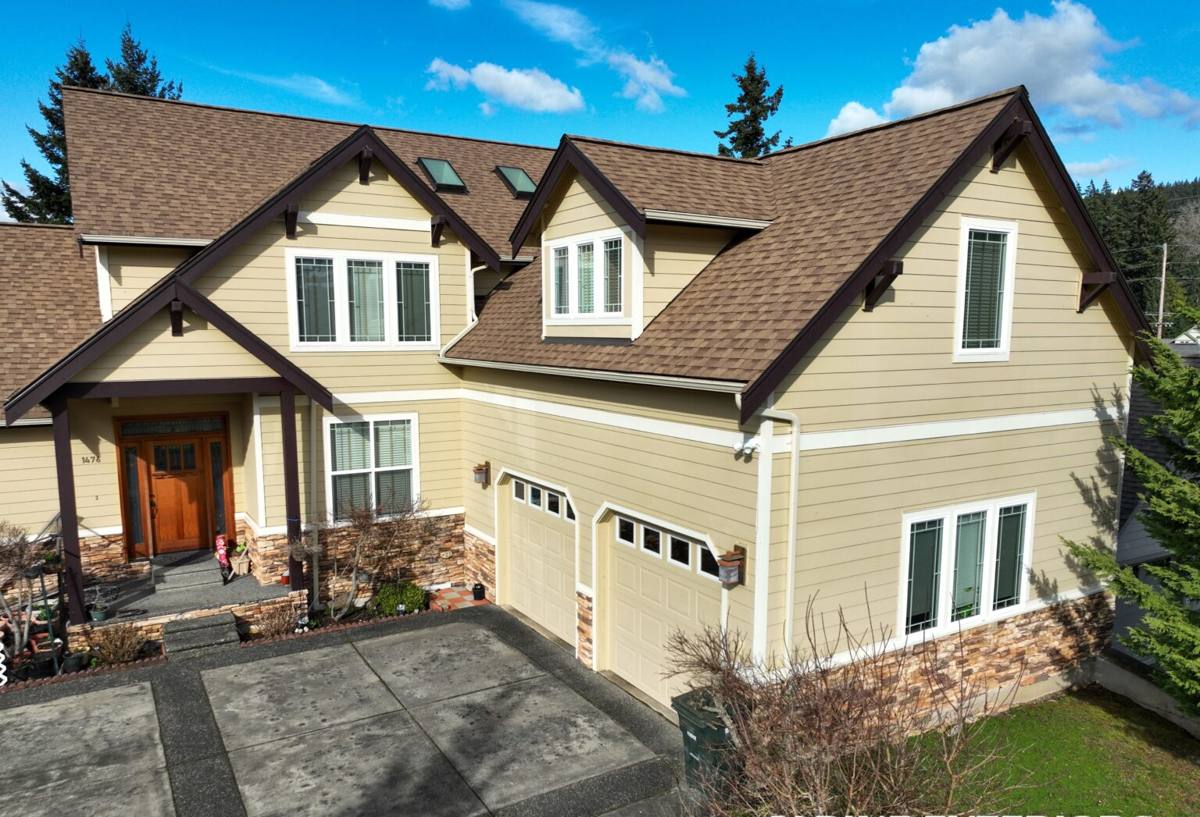
What Delta's Location Does to an Outdoor Deck
Salt Air and Metal Hardware
Proximity to Port Gardner Bay means the air carries more salt than it does further from the water. Salt speeds up corrosion on anything metal — nails, screws, joist hangers, bolts, and railing hardware. Standard coated fasteners that hold up fine in a drier, inland yard can start rusting within a couple of years this close to the bay. Once a fastener rusts, it loses grip strength, and that's a structural issue, not just a cosmetic one.
Driving Rain and Standing Water
Everett gets a lot of rain, but it's the driving, wind-blown rain off the water that causes the most damage to decks in this area. It gets pushed into joints, under railing posts, and behind ledger boards in ways that straight-down rain doesn't. Any gap in flashing or sealant becomes an entry point for water that then has nowhere to go, leading to rot in framing that's hidden from view until it's a real problem.
Moss, Algae, and Shade
Between the rainfall and the tree cover common in this part of Everett, moss and algae growth on deck surfaces is a near year-round issue rather than a winter-only nuisance. Beyond looking bad, a mossy deck surface is a slip hazard and holds moisture against the boards, which shortens the life of both wood and composite decking if it isn't addressed.
Choosing Decking Material for Delta Homes
There's no single "best" decking material — the right choice depends on how much upkeep a homeowner wants to do and what budget they're working with. Here's how the common options actually perform in this specific climate:
| Material | Moisture Resistance | Moss/Algae Resistance | Maintenance | Typical Lifespan |
|---|---|---|---|---|
| Pressure-treated wood | Good if sealed regularly | Needs regular cleaning | Annual cleaning + resealing | 15-20 years with upkeep |
| Cedar | Naturally decent, degrades if unsealed | Needs regular cleaning | Sealing every 1-2 years | 15-20 years with upkeep |
| Composite decking | Excellent | Better, but still needs washing | Occasional washing | 25-30+ years |
| PVC/capped decking | Excellent | Best of the group | Occasional washing | 25-30+ years |
In a neighborhood like Delta, we lean toward composite or capped PVC for homeowners who don't want to keep up with sealing schedules, since the moisture and moss issues here are more constant than in drier parts of the county. That said, wood is still a solid, honest choice for homeowners who like the natural look and are willing to stay on top of maintenance — we build with both, and we're upfront about what each one asks of you over time.
Framing and Foundation: Where Decks Actually Fail First
Most deck failures don't start at the surface — they start underneath, where nobody's looking. In a wet, salt-air environment, this is where correct construction matters most:
- Footings sized and set below frost depth, appropriate for the soil conditions on the lot
- Ledger boards properly flashed and separated from the house wall with a moisture barrier, so water can't wick into the rim joist
- Joists spaced correctly for the decking material chosen, since composite and wood have different span requirements
- Post bases that hold posts off the ground surface, preventing standing water contact
- Adequate airflow underneath the deck so framing can dry out between rain events instead of staying damp
Cutting corners on any of these doesn't show up right away. It shows up in year three or four as soft spots, sagging, or a ledger board pulling away from the house. Framing is the part of a deck that's hardest and most expensive to fix later, so it's the part worth getting right the first time.
Railings, Fasteners, and Hardware That Resist Corrosion
Given the salt air in Delta, we treat hardware selection as part of the design, not an afterthought. Stainless steel fasteners cost more up front than standard coated ones, but in this environment the difference in how long they hold up is significant enough that we consider them the right default, especially anywhere fasteners are exposed to weather rather than hidden inside the structure. Joist hangers and structural connectors should be hot-dip galvanized at minimum, rated for the type of lumber and treatment being used.
For railings, both aluminum and well-finished wood work in this climate — the deciding factor is usually maintenance appetite and look. Cable railing systems have become popular for the view they preserve, but the cables and end fittings need to be a grade rated for coastal or high-moisture exposure, or they'll show rust streaks down the posts within a few years.
Our Deck Building Process
1. On-Site Walk and Design
We start at the property to look at drainage, sun and shade exposure, grade, and how the deck will connect to the house. This is where we talk through material options honestly, based on what we've seen hold up in this part of Everett.
2. Permitting and Engineering
We handle the permit process and any structural engineering the project requires, so the deck is built to code from the footings up rather than needing corrections later.
3. Framing and Structure
This is the phase that determines how long the deck lasts. We build the foundation and framing first, with flashing, fastener grade, and drainage handled before a single decking board goes down.
4. Decking, Railings, and Finish Work
Once the structure is solid, we install decking, railings, stairs, and any lighting or finish details, with attention to clean, tight joints that won't trap water.
5. Final Walkthrough
We walk the finished deck with the homeowner, cover how to maintain the specific materials used, and answer any questions before calling the job done.
Keeping a Delta Deck Looking Good Year After Year
A well-built deck still needs some seasonal attention in this climate. A simple yearly routine goes a long way:
- Sweep debris and standing leaves off the deck surface regularly through fall
- Wash the deck surface at least once or twice a year to remove moss and algae before it takes hold
- Check and clear gaps between boards so water and debris don't accumulate
- Inspect fasteners and railing connections annually for early rust or looseness
- Reseal wood decking on the schedule appropriate for the product — don't wait until it looks dry and gray
- Confirm under-deck airflow isn't blocked by storage or landscaping
None of this is complicated, but skipping it is how a well-built deck ends up looking neglected within a few years in a climate like this one.
Permits and Code Requirements in Everett and Snohomish County
Most attached decks and many freestanding ones require a building permit, and there are specific code requirements around guardrail height, baluster spacing, and stair construction that apply regardless of neighborhood. Requirements can vary depending on deck height, size, and whether it's attached to the structure, so it's worth confirming specifics with the City of Everett before starting rather than assuming. As part of our process, we handle the permit application and inspections, so homeowners aren't left navigating that on their own.
Why Hire a Crew That Already Works in Delta
A deck contractor who mostly builds inland, in drier parts of Snohomish County, isn't necessarily thinking about salt air corrosion or the moss cycle this close to the bay by default. A crew that already works in Delta and similar low-lying, water-adjacent parts of Everett has seen firsthand which fasteners hold up, which flashing details actually keep water out, and which materials are worth the extra upfront cost here versus areas further from the water. That's not a marketing point — it's the difference between a deck that needs real repairs in five years and one that doesn't.
If you're planning a new deck or replacing an aging one in Delta, we're happy to come take a look, walk the site, and give you an honest read on what it needs. There's no cost and no pressure for the estimate — just a straightforward conversation about your options before you decide anything. Use the form below to get started.