 Everett
 Window Installation in Snohomish: Built for the Climate, Not Just the Opening
Snohomish sits close enough to Puget Sound and the Snohomish River basin that its windows take a different kind of beating than windows a hundred miles inland. Salt-tinged air, wind-driven rain that comes in sideways off winter storms, and long stretches of shade and dampness that feed moss and mildew all work on a window from the outside in. A window that's "installed" but not installed correctly for this climate can look fine for a year or two before the problems show up as soft trim, fogged glass, or a draft you can't quite locate.
This page is about one job, done right, in one area: replacing or installing windows on homes in and around Snohomish, part of our regular service area out of Everett in Snohomish County. We're not going to give you a generic national rundown of window types. We're going to walk through what actually matters here, what a correct installation involves, and why it's worth hiring a crew that already knows this specific stretch of Western Washington.
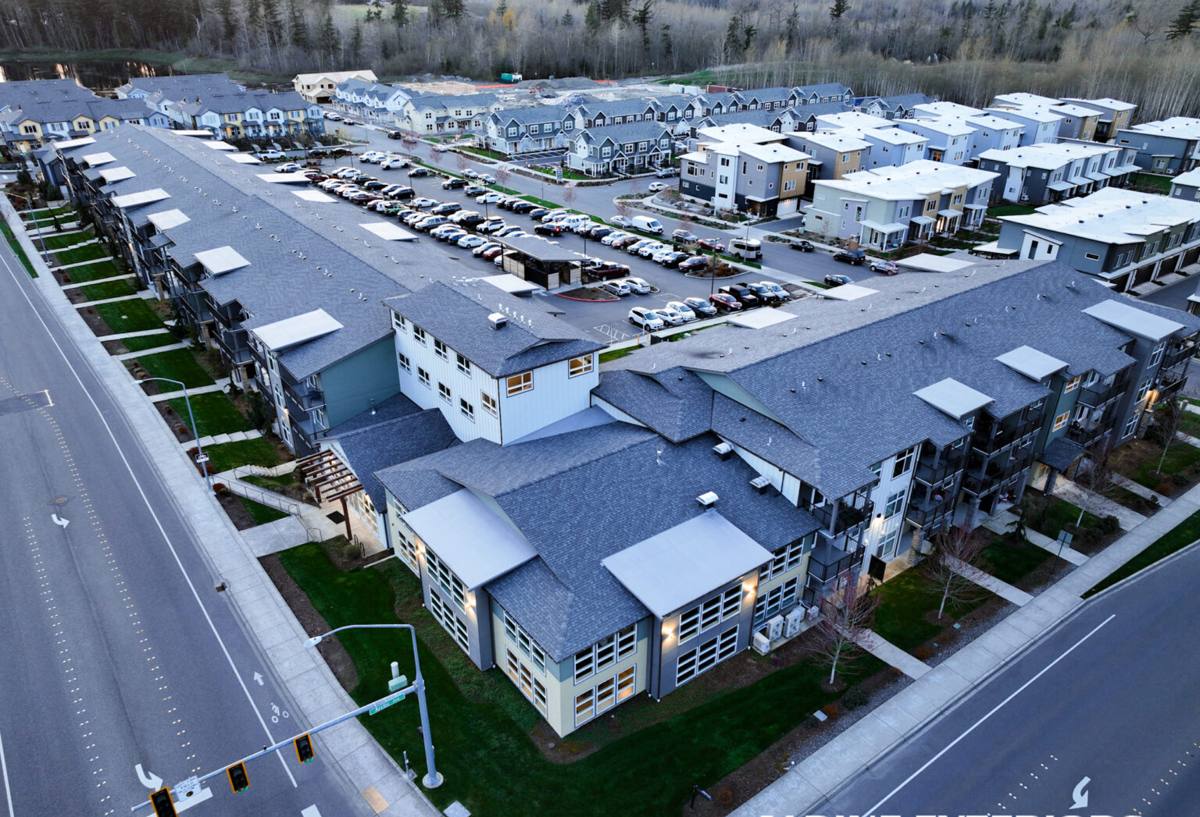
What Snohomish's Climate Actually Does to Windows
Salt Air and Coastal Exposure
Homes closer to the water pick up airborne salt that settles on window frames, hardware, and especially exposed metal fasteners or hinges. Over years, that salt film accelerates corrosion on lower-grade hardware and can dull or pit finishes that weren't rated for coastal exposure. It's rarely dramatic — it's slow, and it's the kind of thing that shows up as a stiff crank or a corroded screw five or six years in, long after the original installer has moved on.
Wind-Driven Rain and Flashing
Snohomish gets plenty of rain that falls straight down and does no damage at all. The rain that causes problems is the kind that comes in at an angle during a windstorm and gets pushed up under trim, siding, and window flanges. If the flashing and weather barrier around a window weren't lapped correctly — even by half an inch — that wind-driven rain will find the gap. This is the single most common cause of the "window leak" complaints we see on remodels and older installs: it's almost never the window itself, it's what's around it.
Moss, Shade, and Trapped Moisture
Snohomish's tree cover and long gray season mean a lot of homes have window sills, sashes, and surrounding trim that stay damp for days at a stretch, especially on north-facing walls. That's exactly the environment moss and mildew need. On wood-trimmed windows or wood sills without proper sealing and drainage, trapped moisture doesn't just grow moss on the surface — it soaks in, and once wood trim starts to soften, the fix gets a lot more expensive than a fresh bead of sealant would have been.
Signs Your Windows Are Losing the Fight
Most homeowners don't notice window failure until it's already cost them money in heating bills or hidden rot. Here's what we tell people to actually check for, especially heading into the wet months:
- Condensation building up between the glass panes (a sign the seal has failed, not just a humidity issue)
- Soft or spongy wood at the sill or lower corners of the frame
- Visible moss or dark staining on the exterior trim around the window
- A noticeable draft near the window even when it's fully latched
- Difficulty opening, closing, or locking a window that used to operate smoothly
- Paint or caulk that's cracked and pulling away from the frame edge
- Noticeably higher heating costs compared to similarly sized rooms elsewhere in the house
Any one of these on its own might be minor. Two or three together, especially on the same window, usually means the flashing or seal has already let moisture in.
What a Correct Installation Actually Involves
Rough Opening Prep
Before a new window ever goes in, the rough opening needs to be checked for square, level, and — critically in this climate — for any existing moisture damage in the framing. Setting a new window into a rotted or damp opening just hides the problem behind new trim. We don't skip this step to save time.
Flashing and Weather Barrier Integration
This is where most of the long-term performance of a window installation actually comes from. Flashing tape and the house's weather-resistant barrier need to be layered correctly — each layer overlapping the one below it, like shingles — so that any water that gets behind the siding drains back out rather than working its way inward. Given how much wind-driven rain this area sees in a typical winter, we treat this step as non-negotiable, not an afterthought.
Sealing and Insulation
Gaps between the window frame and the rough opening need to be insulated (typically with low-expansion foam, not just fiberglass batting stuffed in by hand) and then sealed on the exterior with a quality sealant rated for this climate's temperature swings and constant moisture exposure. A poor sealant job is one of the most common reasons a technically "new" window still feels drafty.
Exterior and Interior Trim
Exterior trim gets primed and sealed on all sides — including the back, which is often skipped — before installation, since that's the surface most exposed to trapped moisture and, near the water, salt air. Interior trim is finished to match the home, but the exterior work is where the climate-specific decisions actually matter.
Choosing the Right Window Material for This Climate
There's no single "best" window material for every home, but some perform more predictably in Snohomish's combination of salt air, rain, and shade than others. Here's how the common options compare for this specific climate:
| Frame Material | Moisture / Salt Air Behavior | Maintenance Needs | General Cost Position |
|---|---|---|---|
| Vinyl | Doesn't rot or corrode; performs well near coastal air | Low — occasional cleaning | Lower to mid-range |
| Fiberglass | Very stable in wet, temperature-swinging climates; resists warping | Low | Mid to higher |
| Wood (unclad) | Attractive but vulnerable to moisture and moss if not maintained | High — regular sealing/painting required | Higher |
| Wood-Clad (vinyl/aluminum exterior) | Good exterior moisture resistance with a wood interior look | Moderate — exterior is protected, interior still wood | Higher |
| Aluminum | Durable but prone to condensation and, near salt air, corrosion over time without a quality finish | Moderate | Mid-range |
We don't push one material on every home. A shaded, moss-prone lot calls for different priorities than a more open, sunnier property a few blocks away. Part of an honest estimate is talking through which trade-offs actually matter for your specific house.
What Affects the Cost of a Window Installation Here
Costs vary by project, and we'd rather walk your home and give you real numbers than guess in general terms. That said, the factors that typically move the price are consistent:
- Number of windows and their sizes — larger or custom-shaped windows cost more than standard sizes
- Frame material chosen (vinyl, fiberglass, wood, wood-clad, aluminum)
- Condition of the existing rough opening — any rot or framing repair needed adds time and material
- Whether it's a full-frame replacement versus an insert into an existing, sound frame
- Access and height — second-story or hard-to-reach windows take more time to stage safely
- Trim and finish work required to match the rest of the home's exterior
We'd rather be upfront that we don't quote sight-unseen. A ballpark number without seeing the actual openings, framing condition, and access isn't useful to you — it's just a number.
Our Process, Start to Finish
1. On-Site Assessment
We look at each window from both sides — glass, frame, sill, and the surrounding trim and siding — to catch moisture damage before it's part of the quote instead of a surprise change order later.
2. Straight-Talk Estimate
You get a written estimate that spells out material choice, scope, and price — no vague allowances, no pressure to decide on the spot.
3. Prep and Protection
We protect your landscaping, walkways, and interior spaces before removing any existing window, and we don't leave an opening exposed to weather overnight without protection.
4. Installation
Old window out, opening inspected and repaired if needed, new window set, flashed, insulated, and sealed following the same sequence every time — because consistency is what prevents the callback.
5. Final Walkthrough
We check operation, sealing, and finish work with you before we consider the job done, not before we leave the driveway.
Why a Crew That Already Works Snohomish Matters
A window installer who mostly works drier climates, or who treats every region the same, is more likely to skip steps that don't matter elsewhere but matter a lot here — like extra attention to flashing laps for wind-driven rain, or sealing choices that hold up under near-constant dampness and occasional salt air. We work this area regularly, which means we're not guessing at how a house in Snohomish behaves through a wet Pacific Northwest winter — we're accounting for it before the first window comes out.
It also means we're accountable locally. If something needs a second look after installation, we're not driving in from three counties away — we're already working in the neighborhood.
Ready for a Straight Answer on Your Windows?
If you're dealing with drafts, fogged glass, moss-stained trim, or you're just planning ahead before the next wet season hits Snohomish, we're happy to take a look and give you an honest read on what your windows actually need — replacement, repair, or nothing at all. Use the form below to request a free, no-pressure estimate.