 Everett
 Why Lake Stevens Homes Need Siding Built for This Climate
Lake Stevens sits inland from Puget Sound, but it shares the same weather pattern that defines the rest of Snohomish County: long wet winters, short dry summers, and a lot of gray, humid days in between. Add the lake itself into the mix — extra moisture in the air near the shoreline, mature tree canopy shading large sections of many lots, and prevailing wind off the water that drives rain sideways into west- and south-facing walls — and you get a set of conditions that punish the wrong siding choice faster than most homeowners expect.
The broader Puget Sound region also carries salt-laden marine air off the water, and homes throughout Snohomish County are exposed to it in varying degrees depending on elevation, tree cover, and orientation. Combined with driving rain and a moss season that can run from October through May, siding here needs to shed water reliably, resist rot and mold, and hold its finish without constant upkeep. That's a tall order for a lot of materials. It's exactly what fiber cement, installed correctly, is built to do.
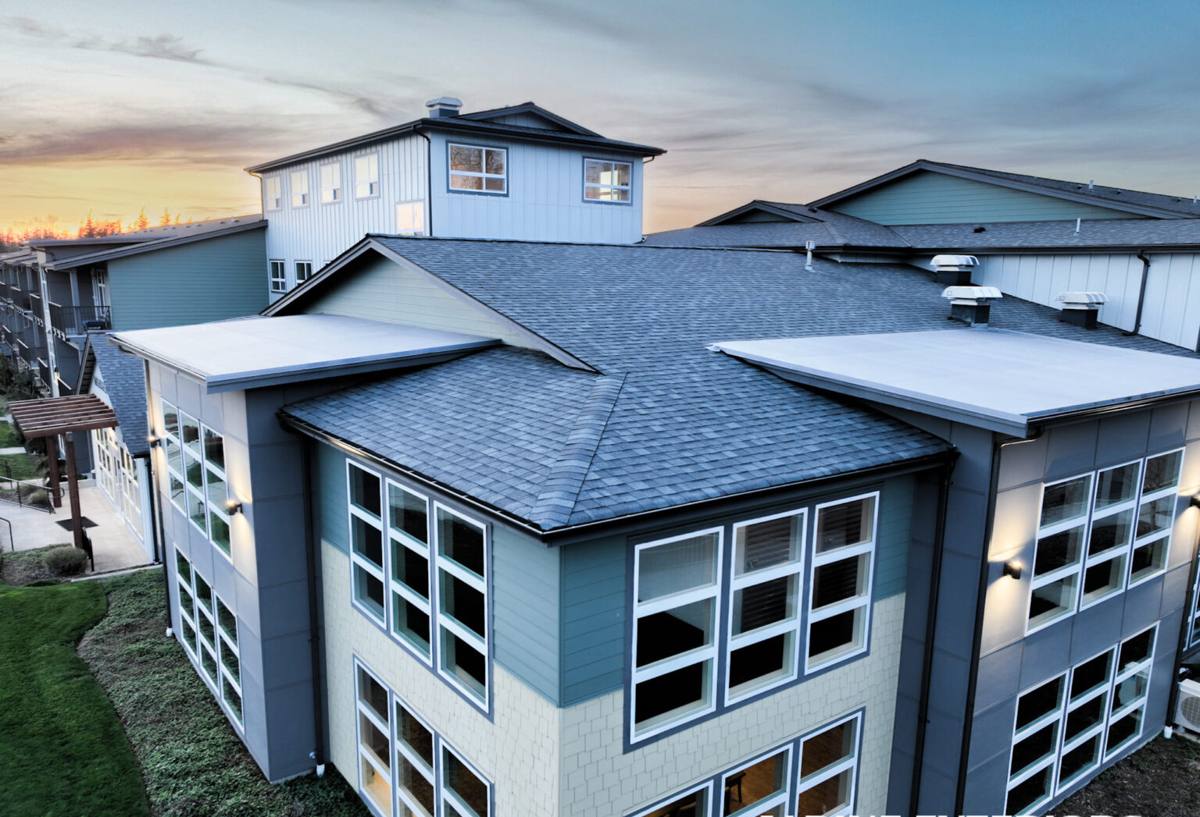
Why We Install Only James Hardie Fiber Cement
We standardized on James Hardie fiber cement siding and don't install vinyl, LP SmartSide, or other fiber cement brands. That's not a marketing position — it's a decision based on what holds up on homes in this specific climate. James Hardie's HardieZone system is engineered specifically for regions like ours, with a formulation (HZ5) designed around freeze-thaw cycles, sustained moisture, and humidity — not the drier, hotter climates some competing products are optimized for.
Fiber cement itself is a mix of cement, sand, and cellulose fibers, pressed and cured into planks and panels. Unlike vinyl, it won't warp, crack in cold snaps, or fade from repeated soaking and drying. Unlike wood or wood-based composite siding, it isn't a food source for the moss, algae, and fungus that thrive in our wet season — the cement base doesn't absorb and hold water the way organic materials do. It's also non-combustible, which matters more each year as wildfire smoke and regional fire risk become part of Pacific Northwest summers.
What Correct Fiber Cement Installation Involves
Fiber cement siding is only as good as the installation behind it. Most of the failures we get called out to inspect on other contractors' work — cupping, staining, soft trim, siding pulling away from the wall — trace back to installation shortcuts, not the material itself. In a climate that gets this much sustained rain, the details matter more than they would somewhere drier.
Moisture Management and Flashing
Correct installation starts behind the siding, not at it. That means a properly lapped weather-resistive barrier, flashing at every window, door, and horizontal trim transition, and kick-out flashing wherever a roofline meets a wall to direct water away from the wall assembly instead of behind it. Skipping or shortcutting this step is the single biggest cause of hidden rot behind siding that looks fine from the street.
Fastening and Gaps
James Hardie specifies exact nailing patterns, fastener types, and minimum gaps at butt joints, corners, and penetrations — gaps that allow the material to handle seasonal movement and let any incidental moisture drain and dry instead of getting trapped. Caulking every joint solid, or nailing too tight, defeats the system's ability to manage water and is a common shortcut on rushed jobs.
The ColorPlus Factory Finish
Where budget allows, we push clients toward ColorPlus prefinished siding rather than field-painted. The factory-applied finish is baked on under controlled conditions and backed by its own finish warranty, and it holds color and resists our climate's mildew-friendly humidity far better than a job-site paint job applied in between rain windows — which is a real scheduling problem for painters working in Snohomish County half the year.
James Hardie Product Lines for This Climate
Hardie makes several siding profiles, and the right one depends on the home's style and exposure, not just preference. Here's how the main lines compare for a Lake Stevens application:
| Product | Best Use | Climate Notes |
|---|---|---|
| HardiePlank Lap Siding | Most homes, traditional and modern styles | Widest range of exposures; correct overlap is critical on rain-facing walls |
| HardiePanel Vertical Siding | Modern builds, accent walls, gable ends | Fewer horizontal laps means fewer water-entry points if flashed correctly |
| HardieShingle Siding | Craftsman and cottage-style homes | More surface texture holds moisture longer; needs good airflow behind it |
| HardieTrim Boards | Corners, window and door casing, fascia | Pairs with any of the above; keeps trim from being the weak point |
All of these are available in the HZ5 formulation appropriate to our region, and all perform best when the rest of the wall assembly — flashing, house wrap, fastening — is done to spec underneath them.
Moss, Algae, and the Long Wet Season
Shaded, north-facing, and tree-covered walls around Lake Stevens are the areas we see the most moss and algae growth on siding, especially on lots with mature trees near the shoreline. Fiber cement doesn't feed organic growth the way wood or wood-composite siding can, but that doesn't mean it's maintenance-free — moss and algae can still take hold on the surface of any siding material if it sits damp against a shaded wall long enough.
Two things reduce this: correct installation that lets the wall breathe and dry between rain events, and basic seasonal upkeep from the homeowner. A soft wash once or twice a year on shaded elevations, keeping gutters clear so water isn't sheeting down the wall, and trimming back vegetation that keeps a wall in permanent shade all go a long way. None of that replaces good installation — it just protects the investment once the siding is on correctly.
A Practical Maintenance Checklist
- Rinse shaded and north-facing walls with a garden hose or soft wash once or twice a year — never a high-pressure wash directly at siding or joints
- Keep gutters and downspouts clear so water isn't overflowing onto walls below
- Trim back shrubs and tree limbs that keep any section of wall in constant shade or touching the siding
- Re-caulk gaps around windows, doors, and trim if you notice cracking or separation
- Watch for chalky or fading paint on any field-painted trim, and touch up before bare wood is exposed
Our Process for Lake Stevens Projects
Every project starts with an on-site assessment, not a phone estimate. We walk the exterior, check the current siding and trim for hidden moisture damage, note the home's sun and shade exposure, and identify problem areas — old flashing, deteriorated trim, or spots where past patch jobs were done. From there we put together a scope that covers removal of the old siding, repair of any damaged sheathing or framing found underneath, correct weather barrier and flashing installation, and the Hardie siding and trim install itself.
Because we work Snohomish County regularly, we plan around this region's weather rather than fighting it — sequencing tear-off and dry-in work to minimize how long a wall is exposed, and not starting more of the house than can be weatherproofed before the next system rolls in off the Sound. A final walkthrough covers caulking, paint touch-up if applicable, and cleanup before we call the job done.
What Affects the Cost of a Fiber Cement Project
Costs vary by home, and we don't quote sight unseen — but these are the main factors that move the number up or down on a typical Lake Stevens project:
| Factor | Why It Matters |
|---|---|
| Home size and wall complexity | More square footage and more corners, gables, and dormers mean more cutting, trim, and labor |
| Existing siding removal | Tear-off of old wood, aluminum, or vinyl adds labor and disposal cost before install begins |
| Hidden sheathing or framing repair | Moisture damage found once old siding comes off is common in older homes and is priced once uncovered |
| Siding profile chosen | Lap, panel, and shingle styles differ in material and installation labor |
| Prefinished vs. field-painted | ColorPlus factory finish costs more up front but removes a paint line item and years of repainting |
| Trim scope | Full trim replacement versus reusing sound existing trim changes both material and labor cost |
| Site access | Steep lots, water-facing elevations, and limited staging space near the lake can add labor time |
Choosing a Contractor Who Actually Works This Area
Fiber cement is unforgiving of installation shortcuts, and the failures show up as rot and water damage that's expensive to fix — usually years after the crew that did it has moved on. A few things worth checking before hiring anyone for a fiber cement project in Lake Stevens:
- Ask specifically whether they're a certified or trained James Hardie installer, not just "we've used it before"
- Ask how they handle flashing at windows, doors, and roof-to-wall transitions — a vague answer is a red flag
- Confirm whether their quote includes sheathing repair as a possibility, not a surprise change order
- Ask how many jobs they've done specifically in Snohomish County and how they schedule around our rain season
- Get the manufacturer warranty terms in writing, not just a verbal assurance
If you're weighing a fiber cement project on a home in Lake Stevens, we're glad to come take a look and walk you through what your home specifically needs. The estimate is free, there's no pressure, and you'll get a straight answer about scope and condition before any commitment.