 Everett
 Windows in Delta Face a Different Kind of Weather
Delta sits close to the water, and that changes what a window has to survive here. Homes in this part of Everett take on a steady mix of salt-laden air off Puget Sound, wind-driven rain that hits siding and glass at an angle rather than falling straight down, and long stretches of gray, damp months where moss and algae get a real foothold on anything that stays wet. None of that is dramatic on any single day, but it adds up over years, and it's exactly the kind of exposure that separates a window that lasts two decades from one that starts failing at year eight.
Snohomish County's building code reflects this reality with requirements around moisture barriers, flashing, and drainage that matter more here than in drier parts of the state. A window installation done right in Delta isn't just about picking a good window — it's about how that window gets tied into the wall so wind-driven rain can't work its way behind the trim.
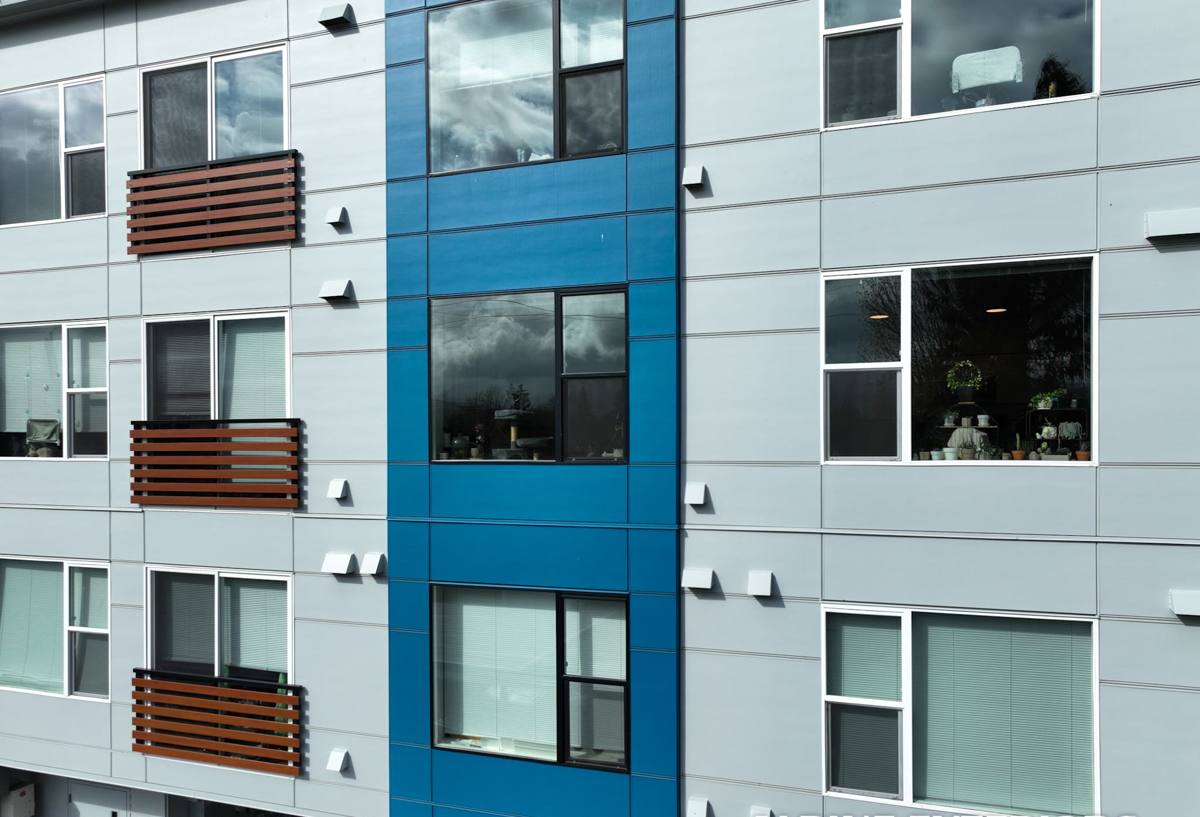
How Salt Air and Driving Rain Wear Down a Window System
Salt Air
Being close to Puget Sound means a fine mist of salt air settles on exterior surfaces more often than homeowners further inland ever notice. Over time, salt exposure accelerates corrosion on unprotected metal hardware, fasteners, and lower-grade aluminum components. It also breaks down cheap sealants and finishes faster than manufacturers' standard warranty testing usually accounts for.
Driving Rain
Everett's storms rarely fall straight down. Wind pushes rain sideways into wall assemblies, which means the water management around a window — the flashing, the sill pan, the sealant joints — has to do more work than a basic installation manual assumes. A window that would be fine in a calmer climate can leak here if it's installed to the minimum standard instead of the standard the weather actually demands.
Moss and Prolonged Dampness
Long wet seasons keep surfaces damp for days at a time, which is exactly what moss, algae, and mildew need to take hold. Wood sills, poorly sealed trim, and window systems without proper drainage paths hold moisture longer than they should, and that moisture is what eventually rots wood components and stains finishes.
Signs a Delta Home's Windows Are Losing the Fight
- Fogging or condensation between panes of a double- or triple-glazed unit — a sign the seal has failed
- Soft or spongy wood at the sill, jamb, or exterior trim
- Visible moss, black streaking, or green growth around the frame edges
- Drafts or a noticeable temperature difference near the window on a windy day
- Paint or finish that's bubbling, peeling, or chalking faster than the rest of the exterior
- Difficulty opening, closing, or latching a window that used to operate smoothly
- Water staining on interior drywall or trim below or beside the window after a storm
Any one of these on its own might not mean much. Two or three together, especially on a wall that faces the prevailing wind and rain, usually means the window system has started to fail from the inside out.
What a Correct Window Installation Actually Involves
Swapping out an old window for a new one is the easy part. The work that determines whether it lasts happens around the opening, not in the glass itself.
- Removing the old unit carefully to expose the rough opening without damaging surrounding framing or siding
- Inspecting the sheathing and framing underneath for rot, soft spots, or prior water damage before anything new goes in
- Installing a sloped sill pan so any water that gets past the window drains back outward instead of sitting against the wood
- Integrating flashing tape and house wrap in the correct shingle-lap order — top piece over the one below it — so water is always directed down and out
- Setting the window level, plumb, and square, then shimming and fastening per the manufacturer's specs so the frame isn't stressed
- Sealing with the right sealant for the material, not just whatever caulk is on the truck that day
- Insulating the gap between the frame and rough opening with low-expansion foam or backer rod, never packed tight enough to bow the frame
- Finishing the exterior trim and flashing so the whole assembly sheds water the way it's designed to
Skip or rush any one of these steps and the window itself barely matters — water will find the gap.
Choosing Materials That Hold Up to This Climate
There's no single "best" window material for every home, but some choices handle Everett's combination of salt air, rain, and moss better than others. We'll walk through the honest trade-offs rather than push one option.
| Frame Material | Moisture & Salt Air Resistance | Maintenance | Typical Fit |
|---|---|---|---|
| Vinyl | Good — won't rot or corrode, holds up well to salt air | Low — occasional cleaning | Most Delta homes, good value |
| Fiberglass | Very good — dimensionally stable, resists moisture and salt exposure | Low | Homes wanting long-term durability, higher upfront cost |
| Aluminum | Fair — prone to corrosion near salt air unless properly coated | Moderate | Best reserved for specific architectural styles, not our default recommendation here |
| Wood / Wood-clad | Requires diligent upkeep — vulnerable to prolonged dampness and moss if finish isn't maintained | High | Homeowners committed to regular maintenance for a specific look |
We steer most Delta homeowners toward vinyl or fiberglass because they hold up to sustained damp weather and salt exposure with the least ongoing upkeep. If a home's style calls for wood or metal-frame windows, we'll still install them correctly — we just make sure the homeowner understands the maintenance commitment that comes with the look.
Glass Packages Worth Considering
Double-pane, low-E glass is the standard baseline for this climate and makes a real difference in comfort and condensation control. Argon-filled units add a modest efficiency boost. Triple-pane is worth discussing for north- or west-facing walls that take the brunt of wind and weather, though it adds cost and weight that not every frame or budget needs.
Our Installation Process
- On-site assessment — we look at the existing windows, framing condition, and how each wall faces the weather before recommending anything
- Honest options — we walk through material and glass choices with real trade-offs, not upsells
- Careful removal — old units come out without tearing up more of the wall than necessary
- Framing check — any hidden rot or moisture damage gets addressed before the new window goes in, not covered up
- Correct flashing and sealing — sill pan, flashing tape, and sealants installed in the right order for this climate
- Precision fit — leveled, shimmed, and fastened so the window operates smoothly for years
- Finish work and cleanup — trim, caulking, and a clean site when we're done
- Walkthrough — we show the homeowner how the new windows operate and what basic upkeep to expect
What Affects the Cost of a Window Installation
| Factor | Why It Matters |
|---|---|
| Number and size of windows | More openings and larger units mean more material and labor |
| Frame material | Vinyl is typically the most budget-friendly; fiberglass and wood cost more upfront |
| Condition of the existing opening | Rot or water damage found during removal adds repair work before the new window can go in |
| Glass package | Low-E, argon fill, and triple-pane options each add to the price |
| Full-frame vs. insert replacement | Full-frame replacement (tearing out to the studs) costs more than an insert but is often the right call on an older or damaged opening |
| Access and site conditions | Second-story windows or tight access can add time |
We give straightforward, itemized estimates so a homeowner knows exactly what they're paying for and why — no vague lump-sum numbers.
Why It Matters to Hire a Crew That Already Works in Delta
General contractors who don't work this specific stretch of Everett regularly can miss things that are obvious to a crew that's used to this exposure — how a particular wall orientation catches wind-driven rain, how quickly moss establishes itself on north-facing trim, or how salt air accelerates wear on hardware that would last much longer a few miles inland. That local familiarity shows up in small decisions: which sealant to use, how much of a drainage gap to leave, whether a sill needs extra slope. Those decisions are the difference between a window installation that's still tight in fifteen years and one that starts showing problems in five.
We also carry the licensing and insurance Snohomish County requires for this kind of exterior work, and we pull the permits a job needs rather than skipping that step to save time.
Keeping New Windows Performing After Installation
A correctly installed window still benefits from a little seasonal attention in this climate:
- Rinse salt residue and grime off glass and frames a few times a year, especially after storms
- Check exterior caulking annually for cracks or gaps and have them resealed before they let water in
- Keep gutters and downspouts clear so runoff isn't sheeting down across window heads
- Remove moss or algae buildup on trim promptly rather than letting it sit through another wet season
- Operate and lubricate hardware periodically so mechanisms don't seize up from disuse
If you're dealing with drafty, foggy, or water-stained windows in Delta, or you're planning ahead for a replacement before problems start, we're glad to take a look. Fill out the form below for a free, no-pressure estimate — we'll assess your home's specific exposure and give you honest options, not a sales pitch.