 Everett
 Window Replacement Built for Eastmont's Weather, Not Just the Opening
Eastmont homes sit close enough to Puget Sound and the Snohomish River valley that windows here take a different kind of beating than windows in a dry inland climate. It isn't one dramatic storm that wears out a window in this neighborhood — it's the slow, repeated cycle of salt-laden air off the Sound, driving rain that hits siding sideways during winter fronts, and a moss and mildew season that can stretch from October well into spring. A window replacement here has to account for all three, not just fit the rough opening and look nice from the curb.
We've replaced windows on plenty of homes in this part of Everett, and the failures we get called out to fix almost always trace back to the same root cause: the window itself may have been fine, but the flashing, sealant, or sill pan around it wasn't detailed for this climate. Getting that right is most of what separates a window replacement that lasts twenty-plus years from one that starts showing rot and fogged glass in five.
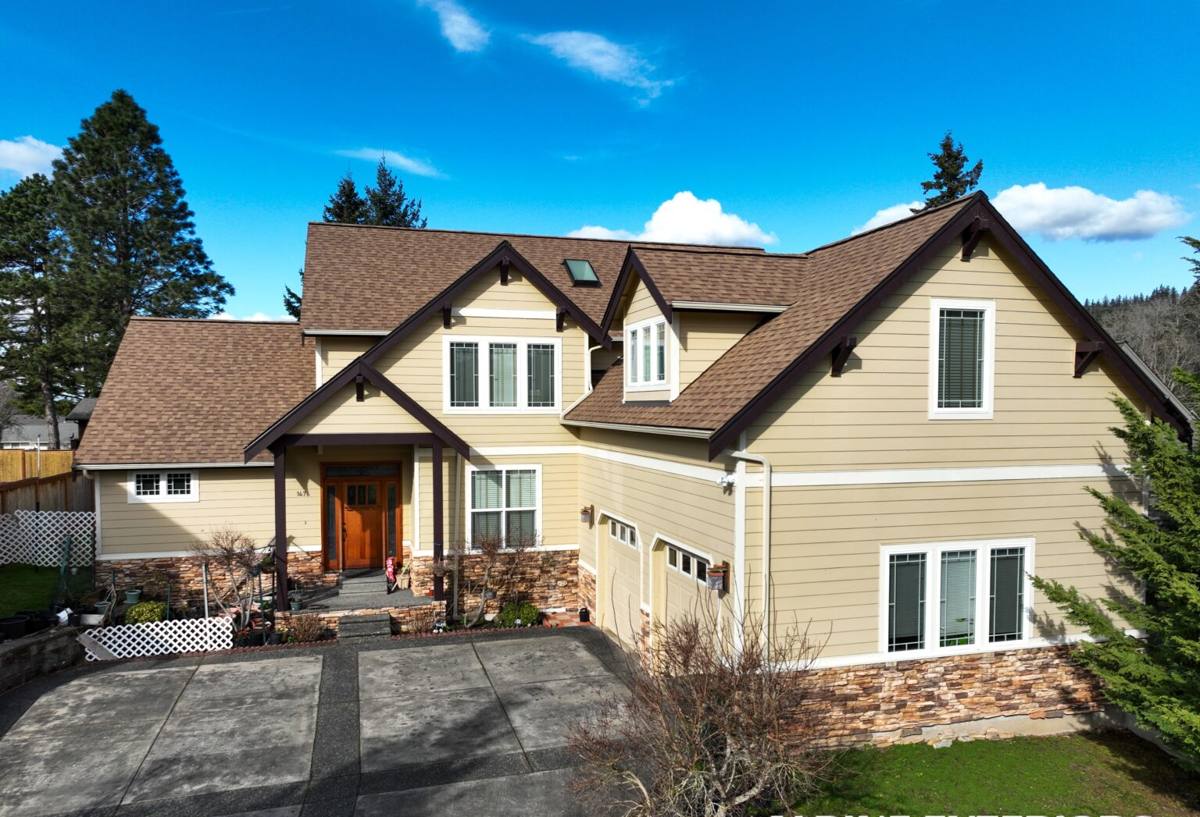
What Snohomish County's Climate Actually Does to a Window
Salt Air and Metal Fatigue
Homes within a few miles of Puget Sound get a steady, low-level dose of salt-laden moisture in the air. Over years, that salt air accelerates corrosion on window hardware — hinges, cranks, locks, and especially older aluminum frames or aluminum screen components. It also degrades some sealants faster than the manufacturer's rated lifespan would suggest in a drier climate. Windows and hardware rated for coastal or marine exposure hold up noticeably better here than standard-grade components.
Driving Rain and Wind-Driven Water
Everett's winter storms don't just drop rain straight down — wind off the Sound pushes it sideways into west- and southwest-facing walls. That means water is being forced against and around window frames under pressure, not just sitting on a sill. If the flashing, weep system, or sill pan behind the window isn't installed to handle wind-driven water, moisture finds its way behind the frame and into the wall cavity long before anyone sees a stain on the interior drywall.
Moss, Mildew, and the Long Wet Season
Snohomish County's extended damp season keeps humidity high around window openings for months at a time. Wood sills, wood-clad frames, and any exposed trim are especially vulnerable — moss and mildew growth on nearby siding or trim can trap moisture directly against the window frame, which accelerates rot in exactly the areas that are hardest to inspect without pulling trim off.
Signs a Eastmont Home's Windows Need Replacing, Not Just Repair
- Fogging or a visible haze between panes — the seal on the insulated glass unit has failed and the argon gas fill (if present) is gone
- Soft or spongy wood at the sill or bottom corners of the frame, often first noticed from outside
- Windows that are difficult to open, close, or lock — frames can rack slightly as wood swells and shrinks with seasonal moisture
- Visible daylight or a clear draft at the frame edges when it's windy
- Paint that keeps bubbling or peeling at the same spot on the exterior trim every year
- A noticeable jump in heating costs during the coldest months with no other explanation
- Condensation forming on the interior glass regularly, especially on the lower sash
Any one of these on its own might be a minor repair. Several at once, especially on the same wall, usually points to a window and flashing system that's past its useful life.
What a Correct Window Replacement Job Actually Involves
Swapping the sash or unit itself is the easy part. The work that actually determines whether the new window survives Everett's wet season happens in the two inches around it.
Removal Done Without Guessing
We remove the old window and inspect the rough opening before assuming anything about what's underneath. On older Eastmont homes this is often the first real look anyone's had at the sheathing and framing around that opening in decades. If there's rot, it gets addressed before a new window ever goes in — installing a new window over compromised framing just hides the problem for a few more years.
Sill Pan and Flashing, Detailed for Wind-Driven Rain
A sloped sill pan directs any water that gets past the window back outside instead of letting it pool against the sill. Flashing gets integrated with the home's weather-resistive barrier in the correct shingle-lap order — bottom flashing under the barrier, side and head flashing lapped over it — so water sheds down and out rather than working its way in behind the siding. This sequencing matters more here than in drier regions, because Everett's rain events are frequent enough that any shortcut in the flashing detail eventually gets tested.
Sealant and Insulation, Not Just Caulk Around the Edge
The gap between the window frame and the rough opening gets properly insulated (not packed tight, which can bow the frame) and sealed with exterior-grade sealant rated for this climate's temperature and moisture swings. Interior air sealing matters too — a well-sealed gap on both sides cuts drafts and reduces the chance of condensation forming inside the wall cavity.
Hardware and Finish Matched to Coastal Exposure
For homes within a few miles of the Sound, we favor corrosion-resistant hardware and finishes over standard-grade components. It costs a little more up front and saves a service call down the road when a lock or crank seizes up early from salt exposure.
Choosing the Right Window for This Climate
There's no single "best" window brand or material for every home — the right choice depends on the home's exposure, budget, and how much upkeep the owner wants to take on. Here's how the common options actually perform in Everett's conditions:
| Frame Material | How It Handles This Climate | Upkeep |
|---|---|---|
| Vinyl | Doesn't rot, resists salt air well, good energy performance | Low — occasional cleaning |
| Fiberglass | Very stable in temperature and moisture swings, strong long-term performance near the Sound | Low |
| Aluminum | Durable but conducts cold and can corrode faster in salt air without a marine-grade finish | Moderate |
| Wood-clad | Attractive, but any exposed or damaged cladding lets moisture reach the wood core — riskier in a long wet season | Higher — needs regular inspection |
We're generally cautious about installing bare wood or wood-clad windows in wind- and rain-exposed locations in this area — not because wood windows are a bad product, but because the maintenance burden of keeping the cladding sealed and intact year after year in this climate is real, and a single missed spot can lead to hidden rot. If a homeowner wants the look of wood, we'll talk through the trade-offs honestly rather than talk them out of it.
Glass Packages Worth Considering
Double-pane, low-E, argon-filled glass is the practical standard for this region — it manages heat loss well without the added cost of triple-pane, which usually isn't necessary at Everett's elevation and coastal-moderated temperatures. For west- or southwest-facing rooms that catch more wind-driven rain, we'll also talk through upgraded weatherstripping and multi-point locking hardware, which help the sash seal tighter under wind pressure.
Our Process for a Eastmont Window Replacement
- Walkthrough and assessment — we look at each window from inside and out, check for soft framing, and note which walls take the most wind-driven rain
- Honest recommendation — replace only what needs replacing; repair or re-seal what doesn't, and explain the reasoning either way
- Product selection — walk through frame material, glass package, and hardware options suited to the home's specific exposure
- Rough opening prep — remove old units, inspect and repair any framing or sheathing issues before install
- Install with proper flashing sequence — sill pan, shingle-lapped flashing, correct sealant and insulation detail
- Exterior finish and cleanup — trim, caulking, and site cleanup so the job looks finished, not just functional
- Final walkthrough — operate every window with the homeowner before we consider the job done
Why a Crew That Already Works Eastmont Makes a Difference
A contractor who works this specific area regularly already knows which walls in Eastmont's older housing stock tend to catch the worst of the driving rain, what typical framing looks like in homes of a given era, and how much moss and mildew buildup is normal versus a sign of deeper trouble. That local pattern recognition shortens the assessment phase and reduces surprises mid-project. It also means someone is genuinely accountable and reachable afterward — not a sales office two counties away — if a question comes up a year or two after install.
Cost Factors Homeowners Should Understand
Every home is different, so we won't quote a number without seeing the windows, but these are the main variables that move the price up or down:
| Factor | Why It Matters |
|---|---|
| Number and size of windows | Larger or custom-sized units cost more than standard sizes |
| Frame material | Vinyl is typically the most budget-friendly; fiberglass and wood-clad cost more |
| Condition of the rough opening | Hidden rot or framing repair adds labor and material beyond the window itself |
| Wall exposure | Walls facing prevailing wind and rain may warrant upgraded flashing or hardware |
| Glass package | Upgraded low-E coatings or laminated glass for sound or security add cost |
| Trim and finish work | Matching existing exterior trim or repainting adds to the scope |
Maintaining New Windows Through Everett's Wet Season
- Rinse salt residue and grime off frames and glass a few times a year, especially after storms
- Keep weep holes at the base of the frame clear of debris so water can drain properly
- Check exterior caulking annually and touch up any cracked or separated sections before winter
- Clear moss or algae buildup on nearby siding and trim before it spreads onto window frames
- Operate locks and cranks a few times through the year so hardware doesn't seize from disuse
- Watch for condensation between panes — it's the clearest sign a seal has failed and the unit needs replacing, not just cleaning
If your Eastmont home has windows showing any of these signs, or you're planning ahead before the next wet season sets in, we're happy to take a look and give you a straight, no-pressure estimate. There's no obligation — just an honest read on what your windows actually need.