 Everett
 Deck Repair Built for Bayside's Marine Climate
Bayside sits close enough to the water that homes here deal with a different kind of weather than decks even a few miles inland. Salt-laden air, driving rain off the Sound, and a moss season that can run from October through May put steady pressure on wood and fasteners. A deck that would hold up fine in a drier part of Snohomish County can show real damage here in half the time if it wasn't built or maintained with that exposure in mind.
We work on decks throughout the Bayside area and see the same failure patterns over and over: ledger boards that trap moisture against the house, fasteners that corrode faster than expected because of salt air, and surface boards that stay damp long enough for moss and algae to take hold and start breaking down the wood fiber underneath. Repair work here isn't just about fixing what's broken — it's about understanding why it broke in this specific location and making sure the fix doesn't fail the same way again.
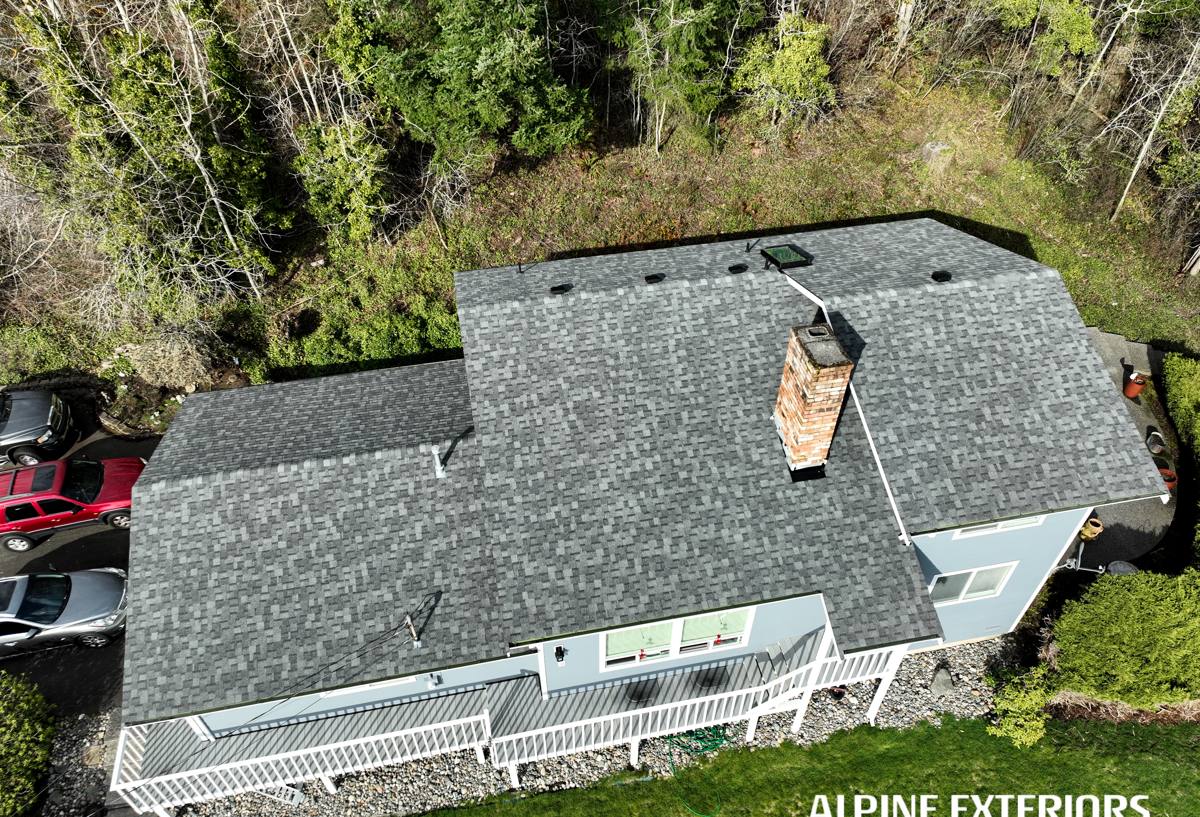
What Bayside's Climate Does to a Deck
Salt Air and Metal Fasteners
Proximity to the water means airborne salt settles on exposed surfaces, including screws, nails, joist hangers, and any exposed metal flashing. Standard fasteners corrode faster under this kind of exposure, and once a fastener starts rusting, it loses grip strength and can stain the surrounding wood. We check fastener condition closely on every repair, not just the boards themselves, because a deck that looks solid on top can have compromised connections underneath.
Driving Rain and Water Intrusion
Wind-driven rain doesn't fall straight down — it gets pushed sideways into gaps, under flashing, and along ledger boards where the deck meets the house. That's the single most common point of hidden rot we find on repair calls. Water gets behind the ledger, soaks the rim joist, and the damage stays invisible until a board starts to feel spongy or a railing post gets loose.
Moss, Algae, and Long Wet Seasons
Snohomish County's extended damp season gives moss and algae a long window to establish themselves on any deck surface that doesn't dry out quickly — especially shaded areas, north-facing sections, and spots under overhangs. Beyond making the surface slippery, moss holds moisture directly against the wood, which accelerates rot in the boards underneath it. A deck that isn't cleaned and treated regularly during moss season will age faster than one that is.
Common Repairs We Handle in Bayside
- Rotted or soft deck boards, especially near the house or in shaded, poorly-drained sections
- Ledger board separation or hidden rot where the deck attaches to the home
- Corroded or failing fasteners, joist hangers, and post connections
- Loose, wobbly, or rotted railing posts and balusters
- Moss and algae buildup that's degraded the wood surface, not just the appearance
- Stair stringer damage from standing water or moss buildup on treads
- Failing or missing flashing at the house-to-deck connection
- Warped, cupped, or split boards from repeated wet-dry cycling
How We Assess a Deck Before Repairing It
A deck repair that only addresses what's visible on the surface tends to come back as a callback within a year or two. We start every job with a hands-on inspection rather than a quick visual walk-through.
- Probe test key areas. We check ledger boards, joists, and posts with a screwdriver or awl to find soft wood that isn't obvious from the surface.
- Check the ledger connection. Since this is the most common failure point in wet coastal climates, we look closely at flashing, fastener condition, and any gap where water could be getting behind the board.
- Inspect fasteners and hardware. Corroded joist hangers or screws get flagged even if the wood around them still looks fine, since compromised hardware is often the earlier-stage problem.
- Evaluate drainage and airflow. Poor airflow underneath or around a deck slows drying time and speeds up rot and moss growth. We note any grading, planting, or structural issues that are keeping the deck wetter than it should be.
- Scope the repair honestly. We tell you what needs to be fixed now, what's borderline and worth watching, and what's fine — we don't pad a repair with work that isn't needed.
Repair vs. Replacement: How We Decide
Not every deck with rot or moss damage needs to be torn out and rebuilt. The right call depends on how far the damage has spread and whether the structural framing underneath is still sound.
| Condition | Usually Repairable | Usually Needs Replacement |
|---|---|---|
| Surface boards | Isolated soft spots, moss staining, minor cupping | Widespread rot across most of the deck surface |
| Ledger board | Localized rot caught early, flashing failure only | Extensive rot along the full ledger length |
| Framing/joists | One or two compromised joists | Multiple joists soft or failing, sagging structure |
| Posts and railings | Loose connections, surface wear | Base rot at grade level, structural instability |
| Fasteners/hardware | Spot corrosion, isolated failures | Widespread corrosion throughout the structure |
As a general rule, if the framing underneath is still sound, board-level repair or partial rebuilds make sense. Once rot has reached the joists or the ledger in multiple places, patch repairs tend to be short-term fixes on a structure that needs a fuller rebuild.
Materials: What Holds Up Near the Water
Material choice matters more in Bayside than in drier inland areas. We factor in salt exposure, moisture cycling, and moss resistance when recommending repair materials, not just cost and appearance.
Fasteners and Hardware
We use fasteners and hardware rated for the exposure the deck actually sees. In a marine-air environment, that usually means stepping up from standard-grade hardware to corrosion-resistant fasteners and connectors, even if it costs a bit more upfront — replacing a rusted-out joist hanger later means opening up finished decking again.
Decking Material
Both treated wood and composite decking show up in Bayside, and each has trade-offs worth understanding rather than a one-size-fits-all answer:
- Pressure-treated wood costs less upfront and is easy to spot-repair board by board, but needs regular cleaning and refinishing to resist moss and moisture in this climate.
- Composite decking resists moss and rot better and needs less upkeep, but repairs typically mean replacing full boards rather than patching, and matching weathered color on an older composite deck can be difficult.
- Cedar has natural rot resistance and a look many homeowners prefer, but still needs periodic sealing to perform well this close to the water.
Our Repair Process
We keep the process straightforward and don't over-complicate a job that doesn't need it.
- On-site assessment. We walk the deck with you, probe suspect areas, and explain what we're finding as we go.
- Written scope and estimate. You get a clear breakdown of what's being repaired, what materials we're using, and why — no vague line items.
- Demo of damaged sections only. We remove what needs to come out without disturbing sound structure unnecessarily.
- Structural repair first. Framing, ledger, and hardware issues get addressed before any surface or cosmetic work.
- Surface repair or replacement. Damaged boards, railings, or stair components get replaced to match the existing deck as closely as possible.
- Final check and moisture-management notes. We point out anything you can do going forward — drainage, cleaning schedule, or trimming back vegetation — to slow down the next round of moss or moisture damage.
Maintenance That Extends the Life of a Bayside Deck
A repaired deck lasts longer with a bit of seasonal upkeep, particularly given how long the wet season runs in this part of Washington.
- Sweep leaves and debris off the deck regularly, especially in fall, so moisture doesn't sit trapped underneath
- Clean moss and algae off the surface at least once a year, ideally before it has a chance to establish through a full wet season
- Check and reseal or restain wood decking every couple of years depending on sun and rain exposure
- Keep gutters and downspouts clear so runoff isn't draining directly onto or under the deck
- Trim back nearby vegetation that's shading the deck and slowing evaporation
- Inspect ledger flashing and fasteners at least once a year for early signs of corrosion or gaps
Why Hire a Crew That Already Works in Bayside
A contractor who works regularly in this specific area already knows which failure points show up most often here — the ledger connections that take on driving rain, the shaded sections that hold moss longest, the hardware that corrodes faster this close to the water. That local pattern recognition means less time spent diagnosing and more time spent fixing the actual problem correctly the first time.
It also means we're familiar with how Everett and Snohomish County permitting and inspection work for deck repairs and rebuilds, so structural work gets done to code without surprises partway through the job.
Get an Honest Look at Your Deck
If your deck in Bayside has soft spots, persistent moss, loose railings, or you're just not sure whether it needs a repair or a rebuild, we're glad to come take a look. The estimate is free, there's no pressure, and you'll get a straight answer about what actually needs to be done. Use the form below to get in touch and we'll schedule a time to come out.