 Everett
 Roofing in Delta: A Different Set of Conditions
Delta sits close to the water, and that changes what a roof has to deal with day to day. Homes here catch salt-laden air off the Snohomish River delta and Port Gardner Bay, take on wind-driven rain during fall and winter storms, and sit under tree cover long enough each year for moss to get a real foothold. None of that is unusual for Snohomish County, but it adds up faster in Delta than it does a few miles inland, and it shows up first on the roof — the surface that takes the weather head-on year-round.
Asphalt shingle roofing is still the right call for most Delta homes. It's proven, it's repairable, and it performs well when it's installed correctly for this climate. The problems we see almost always trace back to shortcuts taken during installation, not the shingle product itself.
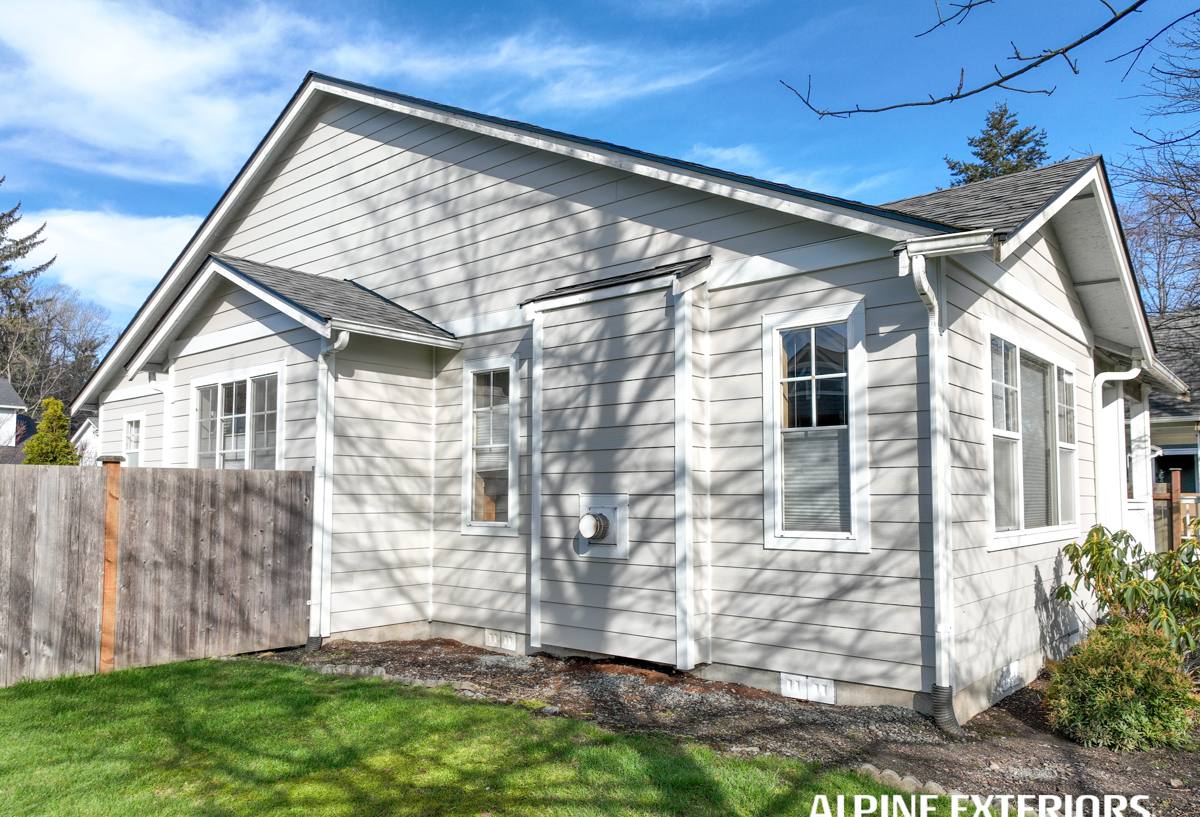
What Delta's Climate Actually Does to a Shingle Roof
Salt Air
Airborne salt doesn't rot asphalt shingles the way it corrodes bare metal, but it accelerates wear on exposed fasteners, flashing, and any unprotected metal components on the roof — vents, drip edge, valley flashing. Over years, that corrosion opens small gaps where water can start working its way in, usually long before the shingles themselves are due for replacement.
Driving Rain
Wind-driven rain doesn't just fall straight down — it pushes sideways and works its way under shingle edges, around penetrations, and into valleys. A roof that would hold up fine in calm rain can leak in Delta if the underlayment, flashing laps, and nailing pattern weren't installed to account for wind-driven moisture.
Long Moss Season
Shade, moisture, and mild temperatures for much of the year make Delta good moss habitat. Moss holds water against the shingle surface, lifts shingle edges as it grows, and traps debris that keeps the roof damp even when the weather clears. Left unmanaged, it shortens the life of an otherwise sound roof.
These three factors compound each other. A roof with corroding flashing lets in more moisture; more moisture feeds moss growth; moss growth traps water against wind-driven rain entry points. That's why a Delta roof needs installation details, not just a shingle brand, aimed at this exact combination.
What a Correctly Installed Roof Needs Here
- Ice-and-water underlayment at eaves, valleys, and around all penetrations — the areas most exposed to wind-driven rain
- Properly lapped synthetic underlayment across the full field, not just the high-risk zones
- Balanced intake and exhaust ventilation so moisture from inside the home doesn't condense against the roof deck
- Corrosion-resistant flashing and fasteners at valleys, chimneys, skylights, and wall intersections
- Algae-resistant (AR) shingle granules to slow moss and algae growth on the shingle surface itself
- Correct nailing pattern and exposure so shingles hold their seal against sustained wind
- Sealed and properly stepped-flashing at every wall-to-roof transition, a common leak point on additions and dormers
Any one of these done wrong can undercut the rest. A roof with premium shingles but poor ventilation will still trap moisture in the attic; a roof with great underlayment but corner-cut flashing will still leak at the chimney. We treat all of it as one system, because that's how water actually finds its way in.
Signs a Delta Roof Needs Attention
- Dark streaking or green-black patches on north-facing or shaded slopes (early algae or moss)
- Granules collecting in gutters or at downspout outlets
- Shingle edges that look lifted, curled, or cupped
- Soft spots or sagging when viewed along the roofline
- Rust staining below metal flashing or vent boots
- Daylight visible through the attic roof deck, or damp insulation after a storm
- Interior ceiling stains, especially after wind-driven rain events rather than steady rain
That last point matters in Delta specifically — a leak that only shows up during sideways rain, and not during a calm downpour, almost always points to a flashing or edge-sealing issue rather than a worn-out field of shingles.
Choosing a Shingle for This Environment
Not every asphalt shingle line handles salt air, wind, and moss equally well. The differences are mostly in the algae-resistant granule package, the wind rating, and how forgiving the shingle is if a few need spot repair later.
| Shingle Tier | Typical Wind Rating | Algae/Moss Resistance | Best Fit For |
|---|---|---|---|
| Standard 3-tab | 60-70 mph | Limited unless AR-rated | Budget re-roofs on low-slope, less shaded sections |
| Architectural (laminated) | 110-130 mph | AR granules standard on most current lines | Most Delta homes — better wind hold and shadow-line profile |
| Premium/designer architectural | 130+ mph | Enhanced AR formulations, longer warranty coverage | Heavily shaded lots or homeowners planning to stay long-term |
For most homes in Delta, a mid-to-upper architectural shingle with an algae-resistant warranty is the right balance of cost and performance. We'll walk through the specific manufacturer options and warranty terms during your estimate rather than push one line — the right choice depends on your roof's shade exposure and how long you plan to stay in the home.
Our Installation Process
1. Roof and Deck Assessment
We check the existing deck for soft spots or rot before anything goes down. Shingles installed over a compromised deck fail early no matter how good the materials are.
2. Tear-Off and Deck Prep
Full tear-off to bare deck on re-roofs, replacing any damaged sheathing, so the underlayment bonds to solid material.
3. Underlayment and Flashing
Ice-and-water membrane at eaves, valleys, and penetrations; synthetic underlayment across the field; new flashing at every wall, chimney, and vent intersection rather than reusing old metal.
4. Ventilation Check
We confirm intake and exhaust venting are balanced for the attic space — undersized or mismatched ventilation is one of the most common causes of early shingle failure and hidden deck rot.
5. Shingle Installation
Installed to manufacturer nailing specs for wind performance, with attention to valley and edge detail where wind-driven rain is most likely to find a gap.
6. Final Walkthrough
We review the completed roof with you, cover warranty paperwork, and go over basic maintenance specific to your property's shade and moss exposure.
Living With a Moss-Prone, Salt-Air Roof
Even a correctly installed roof needs some ongoing attention in Delta's climate. A little routine care goes a lot further here than in drier, less shaded parts of Snohomish County.
- Keep gutters and valleys clear of needles and debris — trapped debris holds moisture against the shingles
- Have moss treated or gently removed before it spreads across a slope, not after
- Trim back overhanging branches where practical to reduce shade and debris load
- Walk the roofline visually after major windstorms for lifted or missing shingles
- Schedule a flashing and seal check every few years, since that's where salt-air corrosion shows up first
We don't recommend pressure washing moss off shingles — it strips granules and shortens the roof's life faster than the moss itself does. Chemical treatments and soft removal methods are the safer approach.
Why a Crew That Already Works Delta Matters
A roofing crew that only occasionally works this close to the water tends to install to a generic spec — standard underlayment coverage, standard flashing, standard ventilation math. That spec is often fine forty minutes away. It's not always enough here.
Working Delta and the surrounding Everett neighborhoods regularly means we've seen which details actually matter in this exact microclimate: where wind-driven rain typically finds a weak flashing lap, which slopes hold moss longest based on tree cover and sun exposure, and which shingle lines have held up best on homes with this level of salt and moisture exposure. That's knowledge that comes from doing the work here repeatedly, not from a manufacturer's general installation guide.
What Affects the Cost of a Delta Re-Roof
| Factor | Why It Matters |
|---|---|
| Roof size and slope count | More square footage and complexity (valleys, dormers, hips) means more material and labor |
| Deck condition | Rotted or soft sheathing found at tear-off adds repair cost before shingles go on |
| Shingle tier chosen | 3-tab, standard architectural, and premium lines carry different material costs and warranty lengths |
| Ventilation upgrades | Adding or correcting intake/exhaust venting is a smaller cost during a re-roof than after |
| Access and pitch | Steep or hard-to-access roofs take longer and require more safety setup |
| Existing moss or algae damage | Heavier buildup can mean more deck inspection and cleanup time before installation |
We don't publish flat prices because these factors genuinely change the number from one Delta home to the next — a simple gable roof and a roof with several valleys and dormers aren't the same job even at the same square footage. A walk-through gives you an accurate number, not a guess.
Ready for an Honest Look at Your Roof?
If your Delta home's roof is showing moss, granule loss, or you just want a straight answer on how much life it has left, we're glad to take a look. The estimate is free, there's no pressure to sign anything on the spot, and you'll get a clear explanation of what we find — use the form below to get started.