 Everett
 Windows Built for Delta's Spot on the Water
The Delta neighborhood sits where Everett meets the Snohomish River and Puget Sound, and that location shapes everything about how a window performs here. Homes this close to the water deal with a steady mix of salt-laden air, wind-driven rain, and long stretches of gray, damp weather that can run from October through May. That combination is harder on window frames, seals, and finishes than a typical inland Snohomish County lot, and it's why a window that works fine in a drier part of the county can start failing early once it's installed a few blocks from the river.
Salt air corrodes exposed metal hardware faster than plain moisture does. Driving rain finds gaps in flashing and trim that a light rain never would. And the shade, humidity, and low sun angle that come with living near the water feed a moss and algae season that can stretch most of the year on north-facing walls and window sills. None of this means Delta homes need exotic products — it means the details of material choice, flashing, and sealing matter more here than they do elsewhere, and skipping a step shows up sooner.
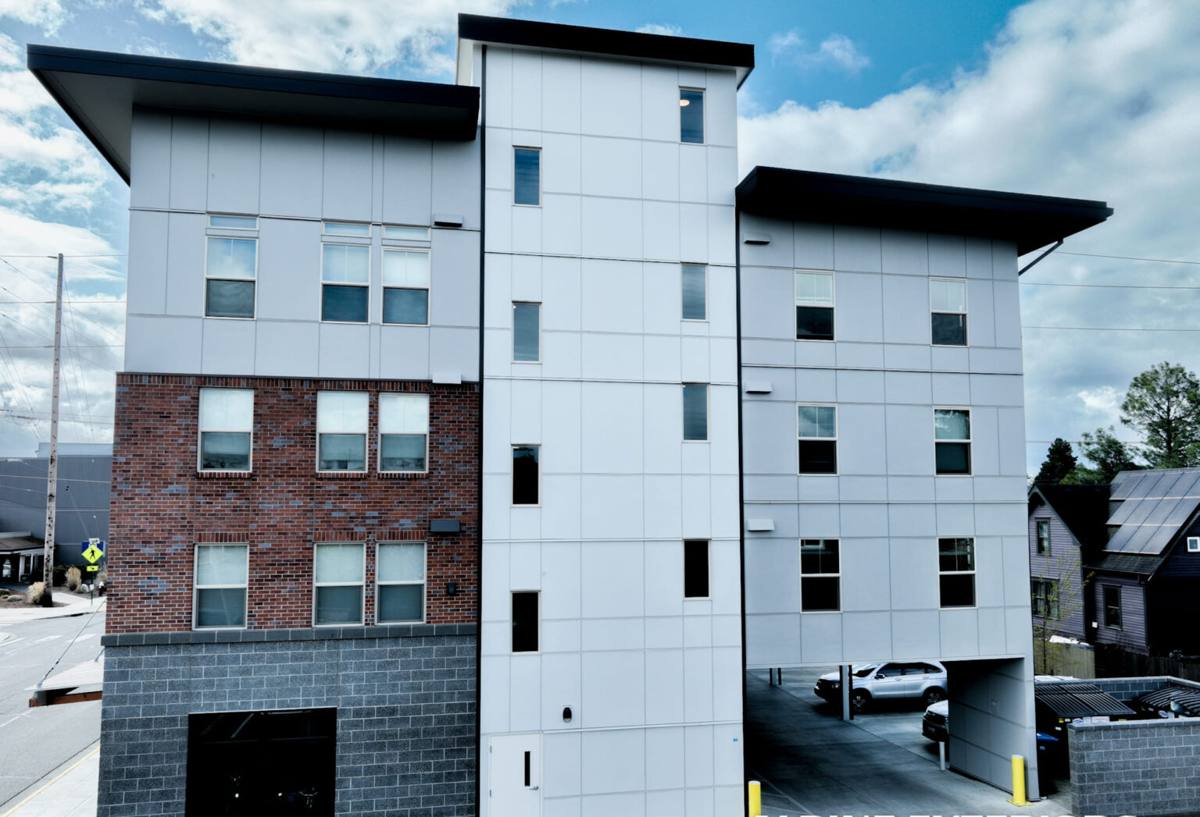
What "Correct" Custom Window Installation Actually Involves
A lot of window problems we get called out to fix in this area aren't product failures — they're installation shortcuts. A window is only as good as the opening it sits in and the flashing detail around it. For Delta homes, we treat a handful of steps as non-negotiable:
- Removing old flashing and sealant completely rather than caulking over it — trapped moisture behind old sealant is one of the most common causes of hidden rot we find
- Installing a proper sloped sill pan so any water that gets past the window has somewhere to go besides your wall framing
- Using self-adhered flashing tape at the head, jambs, and sill in the correct shingle-lap order so water sheds outward at every layer
- Sealing and insulating the gap between the window frame and rough opening — an air gap here undercuts even a high-performance window's insulation value
- Matching fastener and hardware materials to resist the corrosion that salt-influenced air accelerates
- Confirming the finished install is plumb, level, and square before final fastening, since a racked frame stresses seals and shortens their life
None of this is unusual for a properly trained crew, but it takes longer than a quick swap-and-caulk job, and it's the part homeowners can't see once the trim goes back on. It's also the part that determines whether you get 20-plus years out of a window or start seeing fogged glass and soft trim in five.
Signs an Existing Window Was Installed Wrong
If you're replacing windows in a Delta home now, it's worth knowing what to look for so the same mistakes don't get repeated. Common signs include water staining or soft wood at the bottom corners of the frame, paint that bubbles or peels only around the window (not the rest of the wall), persistent condensation between the panes, and visible daylight or drafts at the frame edges. Any one of these usually points back to a flashing or sealing gap rather than the glass itself.
Choosing Frame Material for a Marine-Influenced Climate
Frame material has more effect on long-term performance near the water than most homeowners expect. We walk every Delta customer through the real trade-offs rather than pushing one product line, because the right choice depends on the home's exposure, age, and how much upkeep you actually want to do.
| Frame Material | How It Handles Salt Air & Rain | Upkeep | Typical Lifespan |
|---|---|---|---|
| Vinyl | Won't corrode or rot; performs well in coastal exposure | Low — occasional cleaning | 20-30+ years |
| Fiberglass | Very stable in wet, salt-influenced air; resists warping | Low | 30-40+ years |
| Aluminum-clad wood | Good weather protection outside, but any breach in the cladding lets moisture reach the wood core | Moderate — watch seams and corners | 20-30 years, install-dependent |
| Bare wood | Requires the most protection from driving rain and humidity; highest risk near the water | High — regular painting/sealing | Varies widely with maintenance |
We're upfront that we steer most Delta customers toward vinyl or fiberglass frames specifically because of the marine exposure — it's not that wood-framed windows can't work here, but they demand a maintenance commitment that a lot of homeowners underestimate until they're repainting sills every couple of years. If you love the look of wood on the interior, a wood-interior/fiberglass-or-clad-exterior hybrid often gets you the appearance without the exposure risk.
Our Process, Start to Finish
1. On-Site Assessment
We look at every opening individually — sun exposure, wind direction, existing flashing condition, and any signs of past water intrusion — rather than quoting a blanket price over the phone. A window on the weather side of a Delta home needs a different level of attention than one tucked under an eave.
2. Product Selection
We walk through frame material, glass package, and style options based on what the specific opening and home call for, plus your budget and how the home is used. No pressure toward the most expensive option — the goal is the right window for that wall.
3. Precise Measurement and Ordering
Custom windows are built to the exact opening, so accurate measurement up front avoids delays and ill-fitting units later.
4. Removal and Opening Prep
Old windows, flashing, and sealant come out completely. We check the framing underneath for rot or moisture damage before anything new goes in — this is often where hidden problems from a prior poor installation turn up.
5. Flashing, Sealing, and Installation
Sill pan, flashing tape, and air-sealing go in following the order and detail described above, then the window is set plumb, level, and square and fastened per manufacturer spec.
6. Trim, Cleanup, and Walkthrough
Interior and exterior trim are finished to match the home, the site is cleaned, and we walk the job with you so you know what was done and what to watch for over the first year.
Energy Performance in a Wet, Mild Climate
Snohomish County's climate isn't about extreme cold — it's about long stretches of moderate, damp weather where the bigger comfort issues are drafts, condensation, and heat loss through glass rather than a single hard freeze. For Delta homes, that means glass package and air-sealing quality often matter more day-to-day than a headline insulation number.
Dual-pane windows with a low-E coating are the practical baseline for this area and handle our climate well. Triple-pane adds real value mainly for rooms facing prevailing wind and rain, or where street or waterway noise is a factor — it's a reasonable upgrade, not a requirement everywhere on the house. What matters more than the glass count is a tight, correctly flashed installation; a well-sealed dual-pane window will outperform a poorly installed triple-pane one every time.
Moss, Algae, and Exterior Upkeep Near the Water
Shaded, north-facing, and low-airflow window areas in Delta tend to stay damp longer after weather moves through, which is exactly the environment moss and algae need to take hold on sills, trim, and nearby siding. This isn't a defect in the window — it's a maintenance reality of the location — but it's worth planning for when you choose finishes and trim details, since some materials shed growth more easily than others and are easier to rinse clean without damaging the finish.
Simple Upkeep Checklist for Coastal-Exposure Windows
- Rinse sills and trim a couple of times a year to clear salt residue and slow moss growth
- Check exterior caulk lines annually for cracking or gaps, especially after a hard winter
- Keep gutters and nearby drainage clear so water isn't pooling near window openings
- Trim back vegetation that's shading a window and keeping it damp longer than it needs to be
- Watch for soft trim, bubbling paint, or interior condensation as early warning signs
- Operate hardware (locks, cranks, tilt latches) periodically so moving parts don't seize from disuse
What Custom Windows Typically Cost — and What Drives the Range
Every Delta home and opening is different, so we don't publish a flat per-window price, but the factors that move a quote up or down are consistent:
| Cost Factor | Why It Matters |
|---|---|
| Frame material | Vinyl is typically the most budget-friendly; fiberglass and clad-wood cost more up front but can lower long-term upkeep |
| Opening condition | Rot repair or reframing behind an old window adds labor before the new unit even goes in |
| Size and shape | Standard rectangular openings cost less than large picture windows or custom shapes |
| Glass package | Low-E coatings, gas fill, and triple-pane options each add cost for added performance |
| Story height and access | Second-story or hard-to-access openings take more time and equipment |
| Number of windows | Full-home replacements typically bring a lower per-window cost than one-off replacements |
Broadly, homeowners in this area should expect a wide range depending on these factors — a single standard vinyl replacement sits at the low end, while larger custom or specialty units, or full-home projects, run considerably higher. We give a firm, itemized number after seeing the openings in person, not a phone estimate.
Why a Crew That Already Works in Delta Makes a Difference
General window experience doesn't automatically translate to knowing how a specific waterfront-adjacent neighborhood behaves. A crew that's already worked openings in Delta knows which sides of a home in this pocket of Everett typically take the worst weather, how the local building department handles window replacement permitting, and what a properly weathered detail actually needs to hold up here versus a drier neighborhood a few miles inland. That local pattern recognition shows up in fewer callbacks and fewer surprises once the trim goes back on.
It also matters for smaller practical things — knowing which suppliers can turn around a custom size quickly, understanding how Snohomish County's damp season affects installation scheduling, and having a track record of work in the immediate area that neighbors can vouch for.
If you're weighing new or replacement windows for a home in Delta, we're happy to take a look and give you a straight answer on what your openings actually need — no pressure, no inflated scope. Use the form below to request a free estimate.