 Everett
 Building Decks That Actually Hold Up in Eastmont
Eastmont sits inland enough from the water that homeowners sometimes assume they're spared the worst of what Puget Sound weather throws at exterior structures. In practice, the neighborhood still gets the same driving rain off the Sound, the same long gray stretch from November through April, and enough salt-tinged air moving up from Port Gardner Bay to matter for anything made of untreated wood or bare metal. Add Snohomish County's moss season, which can run most of the year on shaded lots, and you have a climate that is genuinely hard on decks built to a generic national spec.
A deck built for Eastmont needs to shed water fast, resist corrosion at every fastener, and keep moss and algae from turning the walking surface into a hazard by January. That's a different design conversation than what a contractor from a dry climate would have with you, and it's the conversation we have on every Eastmont project.
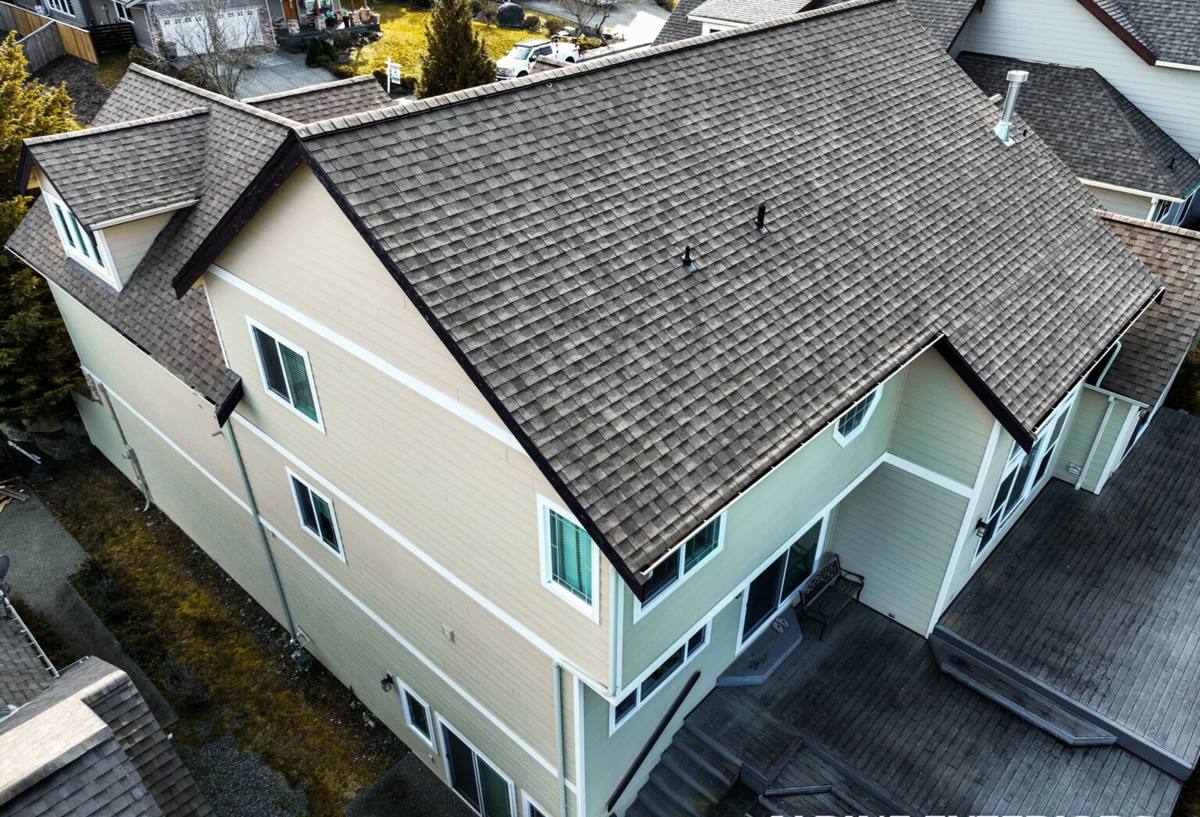
What a Correctly Built Deck Requires Here
Ledger Attachment and Flashing
The single most common point of failure on Everett-area decks isn't the decking boards — it's where the deck attaches to the house. A ledger board that isn't properly flashed lets water track behind the siding and into the rim joist, where it can sit and rot for years before anyone notices. We flash every ledger with a code-compliant Z-flashing detail and self-adhered membrane, and we never let decking or fascia hide a ledger connection that hasn't been inspected first.
Footings and Drainage
Snohomish County soil holds water longer than sandy or well-drained ground, so footing depth and drainage around posts matter more here than they would in a drier region. We set footings to local code depth and grade the ground under and around the deck so water moves away from posts instead of pooling against them season after season.
Fasteners and Hardware
Salt-influenced air corrodes standard hardware faster than people expect, even well inland from the water. We use stainless steel or heavy hot-dip galvanized fasteners and structural connectors rated for exterior and coastal-influenced exposure, not the cheaper coated screws that start bleeding rust streaks into the decking within a couple of wet seasons.
Choosing the Right Decking Material
There's no single "best" decking material — there's the right material for how a homeowner actually wants to spend their time. In a climate with this much moisture and shade-driven moss growth, the honest trade-offs look like this:
| Material | How It Handles Our Climate | Maintenance Reality | Typical Lifespan |
|---|---|---|---|
| Pressure-treated wood | Good structural performance if sealed regularly; absorbs moisture if neglected | Needs cleaning and resealing every 1-2 years to resist moss and rot | 15-20 years with upkeep |
| Cedar | Naturally rot-resistant, but still needs sealing in our wet winters | Annual cleaning; graying and moss growth if left untreated | 15-20 years with upkeep |
| Composite decking | Doesn't absorb water or rot, but still grows surface algae/moss in shade | Periodic washing; no sealing or staining required | 25-30+ years, manufacturer-dependent |
| PVC/capped polymer | Fully moisture-resistant surface; best resistance to moss staining | Lowest maintenance; occasional rinsing | 25-30+ years, manufacturer-dependent |
We install all of the above depending on budget and how much upkeep a homeowner actually wants to commit to. What we won't do is talk someone into a low-grade composite based on price alone — cheaper composite products vary widely in how they handle constant moisture, and a poor match for our climate can mean staining or surface breakdown well before the end of its expected life. We'll walk through the real trade-offs so the decision matches your maintenance appetite, not a sales pitch.
Moss, Algae, and Salt Air: The Maintenance Reality
Even a well-built deck needs some seasonal attention in this part of Snohomish County. Moss and algae thrive on any shaded, damp surface, and a deck under trees or on the north side of a house will need more frequent attention than one in full sun. A few things make the biggest difference over the life of a deck:
- Sweep debris and standing leaves off the deck surface regularly, especially in fall — trapped organic matter holds moisture against the boards and feeds moss growth
- Keep gutters and downspouts near the deck clear so runoff isn't dumping directly onto the structure
- Rinse or gently wash the surface at least once or twice a year to interrupt moss and algae before it gets established
- Reseal or restain wood decking on a regular cycle rather than waiting until it looks weathered
- Check fastener heads and metal connectors periodically for early rust staining, which usually signals the wrong hardware was used originally
- Keep vegetation trimmed back from deck edges to improve airflow and sun exposure
None of this is difficult, but it's the difference between a deck that looks good for decades and one that needs board replacement in year eight because moisture and moss were allowed to sit unchecked.
Design Choices That Matter for Eastmont Properties
Covered vs. Open Decks
A partial roof or pergola cover over even a portion of the deck meaningfully cuts down on how much rain the surface takes on directly, which slows moss growth and extends the life of the finish. It's not necessary for every project, but for homeowners who want year-round outdoor space in a climate where it rains a large share of the year, it's worth discussing early — covering changes the structural framing plan.
Board Spacing and Airflow
Proper gapping between boards and adequate clearance underneath the deck lets air move and moisture evaporate instead of sitting trapped against the framing. This is a small detail that gets rushed on low-bid jobs and shows up years later as premature rot.
Railings and Fastener Exposure
Railing posts and connectors are constantly exposed to wind-driven rain from the side, not just rain falling straight down. We treat railing hardware with the same corrosion-resistance standard as the structural framing, not a lighter-duty spec, because railing failures are a safety issue, not just a cosmetic one.
Permits and Code in Everett and Snohomish County
Most new decks and significant deck rebuilds in the Everett area require a building permit, and inspections typically cover the footings, framing, and ledger connection before decking goes down. Permit requirements can vary based on deck height, size, and attachment to the house, so we handle the permit process as part of the job rather than leaving homeowners to sort it out with the county themselves. Skipping required permits on a deck isn't worth the risk — it can complicate a home sale later and, more importantly, it means no third-party inspection ever verified the structural work was done correctly.
Our Deck Building Process
- On-site estimate — we look at the existing structure or the proposed area, discuss material options, and talk through how the site's sun/shade exposure and drainage will affect long-term maintenance
- Design and permit — we finalize the layout, size, and material selection, then handle the permit application and any required drawings
- Demolition or site prep — removal of an old deck if applicable, and grading for drainage
- Framing and inspection — footings, posts, ledger flashing, and framing go in, ready for county inspection before decking is installed
- Decking, railing, and finish — boards, railings, and any stairs or covers are installed and finished
- Final walkthrough — we go over the completed deck with the homeowner and cover basic maintenance for the material chosen
Repair vs. Rebuild: What to Look For
Not every aging deck in Eastmont needs to be torn out entirely. The right call depends on where the damage is:
- Soft or spongy boards in isolated spots often mean localized decking replacement is enough
- Soft framing or a ledger board that shows water staining or rot usually means a structural rebuild is the safer path, since framing issues aren't a surface problem
- Loose, wobbly railings or posts can sometimes be reinforced, but persistent movement at the base often points to a footing or post connection issue worth inspecting
- Heavy moss buildup with sound wood underneath is a maintenance issue, not a structural one, and can usually be addressed with cleaning and resealing
- Rust-streaked fasteners are worth a closer look even if the deck feels solid, since corroding hardware is often the earliest visible warning sign
We'll give a straight answer on which category a deck falls into rather than defaulting to "replace everything" when a repair genuinely solves the problem.
Why a Crew That Already Works in Eastmont Matters
Building a deck that lasts in this climate isn't about following a generic national building guide — it's about knowing how Snohomish County's rain patterns, shade, and salt-influenced air actually wear on materials over time, and building accordingly from the first footing. A crew that regularly works in and around Eastmont and greater Everett has already seen which details cause callbacks in this specific climate and which ones don't. That's not something you get from a spec sheet; it comes from doing the work here, season after season, and standing behind it.
If you're planning a new deck or considering whether an existing one needs repair or replacement, we're happy to take a look and give you a straightforward assessment. Reach out for a free, no-pressure estimate using the form below — we'll walk the site, talk through material and design options suited to your home, and give you honest numbers before any work begins.