 Everett
 Board & Batten Siding in Forest Park: A Style That Has to Earn Its Keep Here
Board and batten has become one of the most requested looks for homes in Forest Park and the surrounding Everett neighborhoods — the bold vertical lines read as clean and modern on a new build, and just as at home on a craftsman-era remodel. But in this part of Snohomish County, board and batten isn't just a style choice. The vertical seams, the battens themselves, and the material behind them all have to hold up to salt-tinged air off the Sound, driving rain that comes in sideways during winter storms, and a moss season that seems to stretch longer every year under the shade cover common to this neighborhood. A board and batten job that looks great in the driveway photo but wasn't built for this climate will show its age fast — usually at the seams first.
This page is specifically about board and batten siding for homes in Forest Park. We're not going to give you a generic rundown of the style. We're going to walk through what this climate does to board and batten over time, what a correctly built system actually involves, and why we only install it in James Hardie fiber cement rather than wood, vinyl, or engineered wood panels.
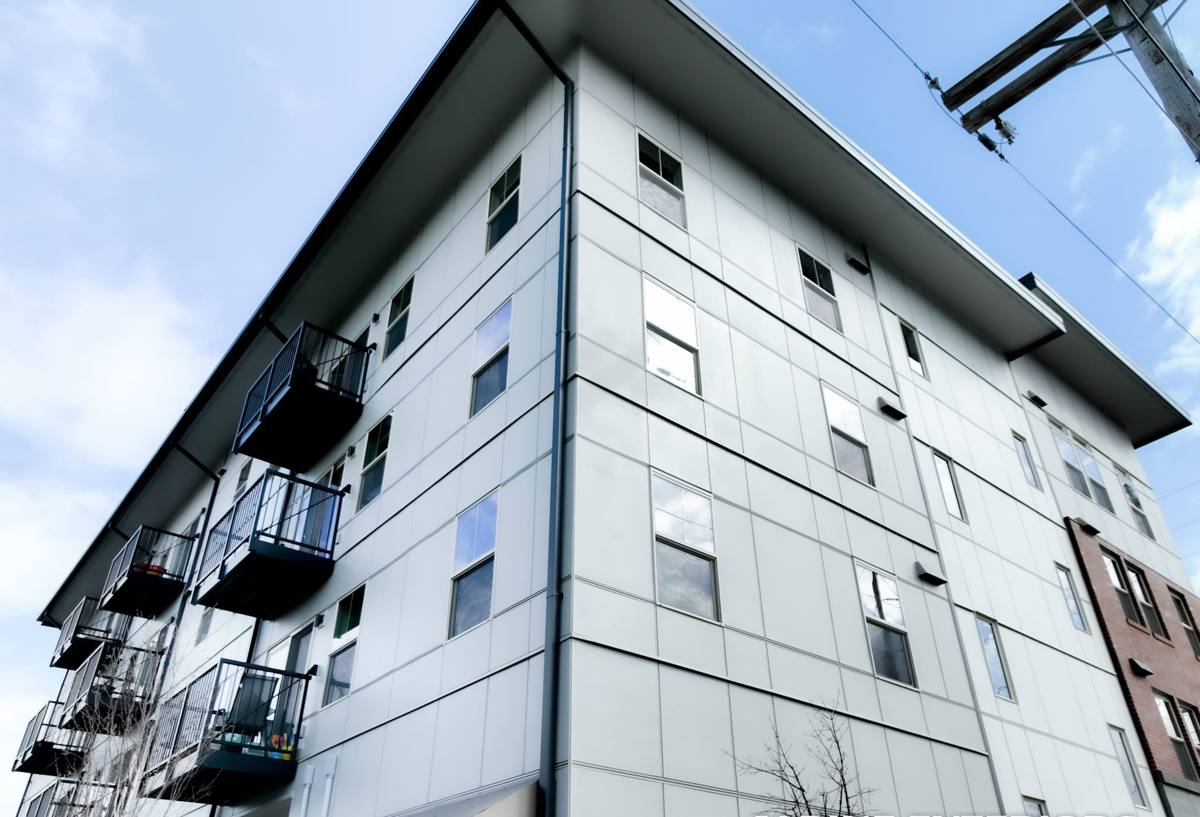
What Forest Park's Climate Actually Does to Board & Batten Siding
Board and batten siding has more seams and more vertical joints per square foot than standard lap siding, which is exactly why it looks the way it does — but it's also why the material and the installation details matter more here than almost anywhere else in the region.
Salt Air and Slow Corrosion
Everett sits close enough to Puget Sound that homes throughout the area, including Forest Park, deal with a low but steady dose of salt-laden air. Over years, that air is hard on unprotected fasteners, cheap trim, and any material that relies on paint film alone to keep moisture out. Board and batten's exposed batten strips are a common failure point when the wrong fastener or the wrong caulk is used, because that's where moisture first finds a way behind the cladding.
Driving Rain and Wind-Driven Moisture
Winter storms in this part of Snohomish County don't just drop rain straight down — wind pushes it sideways into wall assemblies, and vertical board and batten siding has a lot of vertical channels for that water to travel down if the flashing and drainage plane underneath aren't done right. A batten that's face-nailed with no gap behind it, or a seam that wasn't lapped correctly, becomes a funnel instead of a barrier.
Moss, Algae, and Long Shade Seasons
Forest Park's tree cover and the broader neighborhood's mature landscaping keep a lot of siding in partial shade for much of the year, which is great for curb appeal but tough on cladding that can't shed moisture quickly. Moss and green algae take hold fastest on siding that stays damp — north-facing walls and anything tucked under overhangs are the areas we watch closest on every job in this neighborhood.
Why We Only Install Board & Batten in James Hardie Fiber Cement
Board and batten can be built out of real wood, vinyl panels, engineered wood products like LP SmartSide, or fiber cement. We install James Hardie exclusively, and it's worth explaining why — especially for a style that puts extra stress on seams and battens.
Wood Battens and Boards
Real wood board and batten can look beautiful, and plenty of homes in this area still have it. The honest trade-off is maintenance: wood battens are end-grain exposed at every cut, and end grain is where wood absorbs water fastest. In a climate with this much sustained moisture, that means more frequent repainting, more caulk maintenance, and a shorter window before rot shows up at the bottom of boards and around fasteners.
Vinyl Board & Batten Panels
Vinyl versions of this look are common and inexpensive, but vinyl is a plastic product that expands and contracts significantly with temperature swings, which is part of why it's installed with loose nailing rather than a tight, flush attachment. That works fine for standard lap panels, but it becomes visually obvious on a style built around crisp, straight vertical lines — panels can ripple or bow over time, and damaged sections are difficult to color-match years later.
LP SmartSide and Other Engineered Wood Panels
Engineered wood panel systems are wood-based products with a resin-treated strand face, and they perform reasonably well when the factory coating stays fully intact. The trade-off we're not willing to build a Forest Park job around is what happens once an edge gets nicked, a fastener is overdriven, or moisture finds a cut edge — because it's still a wood product at its core, and wood-based cores swell and deteriorate once water gets past the surface treatment.
James Hardie HardiePanel Vertical Siding
James Hardie's board and batten system is built from fiber cement — sand, cement, and cellulose fiber — which doesn't have a wood core to swell, rot, or feed moss the way organic materials do. It's manufactured in an HZ5 formulation engineered for Pacific Northwest moisture exposure, finished with factory-applied ColorPlus Technology so the color is baked on rather than field-painted, and it's backed by a long, transferable James Hardie warranty. It's also non-combustible, which matters increasingly to insurers and to homeowners thinking about wildfire smoke and ember exposure during dry summer stretches.
Comparing Board & Batten Material Options for a Forest Park Home
| Material | Behavior in Marine Climate | Ongoing Maintenance | Our Position |
|---|---|---|---|
| Cedar or wood battens | Absorbs moisture at end grain and fasteners; prone to swelling and rot over time | Regular repainting and caulk inspection | Not installed |
| Vinyl board & batten | Expands/contracts with temperature; can ripple or bow on straight vertical lines | Low, but limited repair options if damaged | Not installed |
| LP SmartSide / engineered wood panels | Performs well while coating is intact; vulnerable once cut edges or fasteners are exposed to moisture | Moderate — depends on coating integrity | Not installed |
| James Hardie fiber cement (HardiePanel + battens) | No wood core to rot or swell; HZ5 formulation built for this moisture exposure | Low — occasional wash and caulk check | What we install |
What a Correctly Built Board & Batten System Involves
The style is simple to look at, but a board and batten wall has more places for water to get behind the cladding than standard horizontal lap siding does. A correct installation addresses each of them.
Drainage Plane and Rainscreen Gap
Behind the panels, a weather-resistant barrier and, ideally, a rainscreen gap give any moisture that does get past the surface a way to drain and dry out instead of sitting against the wall sheathing. Skipping this step is one of the most common shortcuts we see on older board and batten installs in this area.
Panel and Batten Layout
HardiePanel vertical panels are installed with properly lapped or flashed vertical joints, and the battens go over those seams — not just decoratively, but as part of the water management. Batten spacing and fastening have to follow James Hardie's specifications so the assembly performs as engineered, not just as it appears.
Flashing at Every Penetration
Windows, doors, hose bibs, light fixtures, and anywhere else something penetrates the wall need proper flashing and integration with the weather barrier. Board and batten's vertical lines make sloppy flashing more visually obvious, but the real issue is functional, not cosmetic.
Fastening
Corrosion-resistant fasteners, driven to the correct depth — not overdriven, not underdriven — matter even more on a salt-air-exposed home in Everett than they would inland. Overdriven fasteners crack the fiber cement and create a moisture entry point right where it's hardest to spot later.
Sealant and Trim Details
James Hardie's own installation guidance limits where caulking is required versus where flashing alone should do the job. Over-reliance on caulk is a common shortcut — caulk fails well before fiber cement or properly lapped flashing does.
What to Check on Any Board & Batten Job
- Weather-resistant barrier installed continuously behind the panels, with no gaps at seams
- Rainscreen or drainage gap present, not panels nailed flush to sheathing
- Manufacturer-specified fastener type, spacing, and depth followed exactly
- Flashing integrated at every window, door, and wall penetration
- Battens and panel seams sequenced so water sheds outward, not into the wall
- Minimum clearance maintained between siding and grade, decks, and roof lines
- Factory-finished ColorPlus edges kept intact — field-cut edges properly treated
Our Process for Board & Batten Projects in Forest Park
We start with an on-site look at the home, not a generic quote. That means checking the current siding and trim condition, noting shaded or moss-prone walls, and confirming what's actually happening behind the existing cladding where we can see it — old siding pulled at a corner or around a penetration tells us a lot about what the wall assembly needs. From there we plan the weather barrier and rainscreen approach, confirm panel and batten layout with the homeowner (spacing and reveal are a real design decision, not just a technical one), and schedule the tear-off and install in a sequence that keeps the home weather-tight at every stage — we don't leave open wall sections exposed overnight to Everett's rain patterns. Cleanup and a final walk-through close out the job, and we go over basic care with the homeowner before we leave.
Maintenance That Actually Matters in This Neighborhood
Fiber cement board and batten is low-maintenance, not no-maintenance. In Forest Park specifically, the two things worth staying ahead of are moss on shaded and north-facing walls, and periodic checks of caulking at trim and penetrations — not because Hardie fails there, but because caulk is the one component in the system with a shorter service life than the siding itself. A gentle wash once or twice a year keeps moss from establishing, and a five-minute visual check after major storms catches small issues before they become expensive ones.
Why It Matters That We Already Work in This Neighborhood
Board and batten hides sloppy work less forgivingly than lap siding does — every seam is a straight vertical line, and every mistake in flashing or fastening shows up as a problem down the road, not just a cosmetic flaw today. A crew that already installs siding throughout Everett and Snohomish County knows what this specific climate does to a wall assembly over the years, understands local permitting and inspection expectations, and has already made the judgment calls — batten spacing, drainage detailing, fastener choice — that separate a board and batten job that lasts decades from one that needs attention in five years.
If you're considering board and batten siding for a home in Forest Park, we're happy to take a look and walk you through what your specific home needs — no pressure, no sales script. Use the form below to request a free estimate.