 Everett
 Board & Batten Siding in Lake Stevens: What This Style Actually Needs to Perform Here
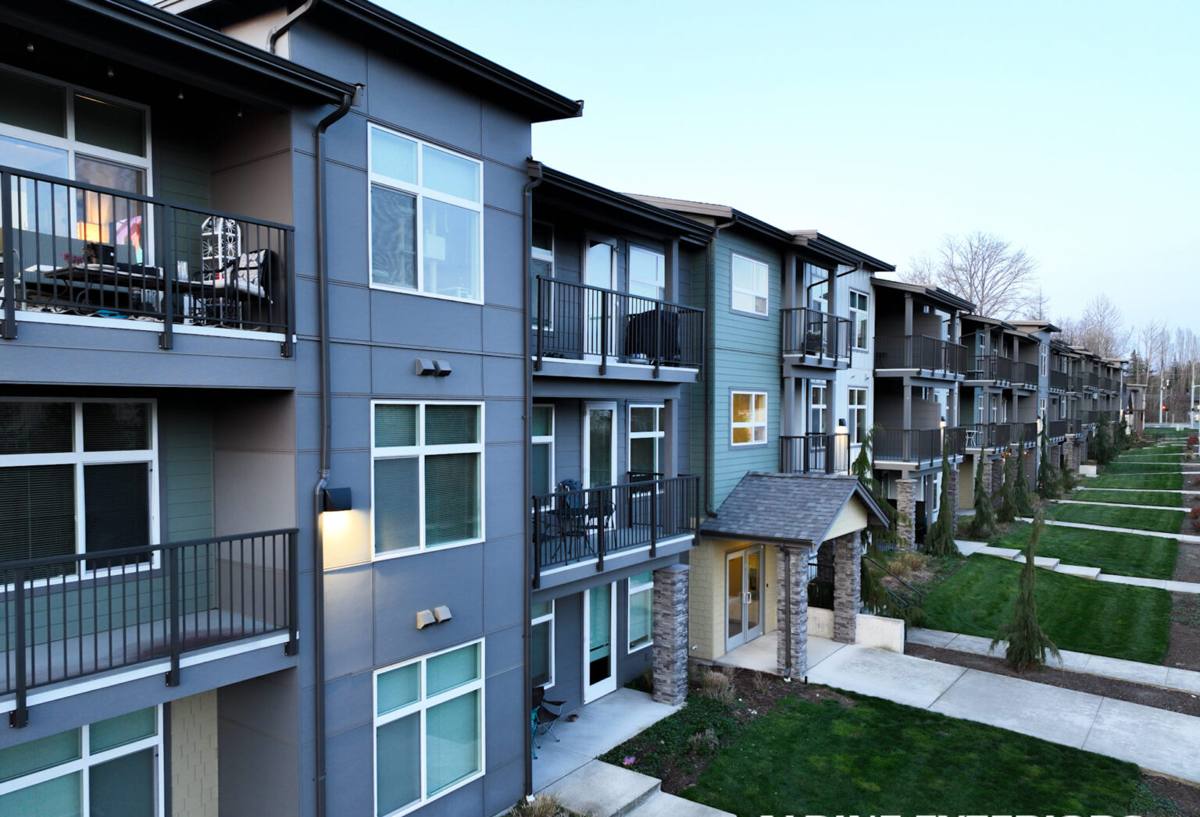
Board and batten has become one of the most requested siding looks in Lake Stevens over the last several years, and it's easy to see why. The vertical lines read as clean and modern on newer builds, but the same pattern also suits the more traditional lake-country homes scattered around the area. What doesn't get talked about enough is that board and batten is a less forgiving style to install correctly than standard horizontal lap siding, and the Snohomish County climate is not a gentle place to find out the hard way. This page covers what board and batten siding needs to hold up in Lake Stevens specifically, what a correct installation looks like, and why we build it exclusively in James Hardie fiber cement.
Why the Local Climate Is Harder on Board and Batten Than People Expect
Lake Stevens sits inland from Puget Sound, but the same weather system drives conditions across most of Snohomish County: long stretches of driving rain, salt-tinged marine air moving in off the Sound, and shaded, tree-covered lots that stay damp long after a storm passes. Add in a lake nearby holding moisture close to the ground, and you get a textbook environment for moss, algae, and slow-building water intrusion.
Board and batten complicates that picture because the design relies on vertical seams and narrow battens covering the joints between boards. Every one of those seams is a place water can find its way behind the cladding if it isn't detailed correctly. On horizontal lap siding, water is designed to shed downward and outward at every course. On board and batten, a poorly flashed vertical joint can channel water straight down behind the panel instead of off of it. In a climate with as much sustained rainfall as this one, that difference matters a lot over the life of the siding.
Moss Season Adds Its Own Pressure
Wooded, north-facing, and lake-adjacent lots around Lake Stevens spend a good part of the year shaded and damp, which is exactly the condition moss and algae need to establish themselves. On some siding materials that's mostly cosmetic. On others, trapped moisture under moss growth accelerates rot, delamination, or coating failure at the seams. Board and batten's vertical battens create extra ledges and shadow lines where organic growth likes to take hold if the material and the install don't account for it.
What a Correct Board and Batten Installation Actually Involves
A good-looking board and batten job and a durable one are not automatically the same thing. The visible battens are the easy part. What separates a siding job that lasts decades from one that causes problems in five to seven years happens behind the boards, at the flashing details, and in the fastening pattern.
- Correct water-resistive barrier and weather-resistant housewrap installed and lapped properly before any siding goes up
- Rainscreen or furring strip spacing behind the boards so water that does get behind the cladding can drain and the assembly can dry out
- Properly flashed and sealed vertical joints, not just caulk bridging a gap
- Correct fastener type, spacing, and penetration depth per the manufacturer's engineering — board and batten carries more wind load per fastener line than lap siding
- Consistent clearance at the foundation, roofline, and any trim so boards aren't sitting in standing water or snow melt
- Batten spacing and fastening that accounts for expansion and contraction through temperature swings
Skip any one of these and the siding can still look right for a season or two. The problems that show up later — soft spots at the base of boards, staining running down from battens, or caulk lines that keep failing — almost always trace back to one of these steps being rushed or skipped during installation, not to a flaw in the material itself.
Why We Only Build Board and Batten in James Hardie Fiber Cement
Board and batten can be built in vinyl, engineered wood, real wood, or fiber cement, and each of those materials behaves differently once it's exposed to this region's weather year after year. We made the decision to install James Hardie exclusively because it's the product that holds up to the combination of moisture, temperature swings, and organic growth pressure that Snohomish County throws at a vertical siding system.
| Material | Behavior in Wet, Shaded Climates | Ongoing Maintenance | Fire Performance |
|---|---|---|---|
| Vinyl board and batten | Can warp or bow with heat and cold cycling; seams and battens are often just overlapped, not truly sealed | Low, but damage usually means full panel replacement, and color can't be touched up | Combustible plastic |
| Engineered wood board and batten | Vulnerable to swelling and edge deterioration if moisture reaches the wood fiber core, especially at unsealed cuts | Requires vigilant caulk and paint upkeep to keep water out of the wood fiber | Combustible |
| Real wood (cedar) board and batten | Handsome, but absorbs moisture readily; moss and algae take hold quickly in shaded, damp spots | Regular refinishing, sealing, and moss treatment needed to prevent rot | Combustible |
| James Hardie fiber cement | Cement-based composition doesn't swell, rot, or support fungal growth the way wood-based products can | Occasional wash-down; ColorPlus factory finish holds color without a repaint cycle | Non-combustible |
We're not going to tell you vinyl or engineered wood board and batten is junk — plenty of homes have it and it does its job for a while. What we will say is that once you account for what this climate does to a vertical-seam siding system over ten, twenty, thirty years, fiber cement is the product that keeps us from having to come back and explain a preventable failure. That's the standard we hold ourselves to, and it's why we don't install the alternatives.
How Hardie Board and Batten Is Actually Built
James Hardie board and batten is typically achieved one of two ways: a Hardie panel product with vertical battens applied over the seams, or individual Hardie boards installed with battens covering each joint, similar to true board and batten carpentry. Both approaches use Hardie's engineered HZ5 product line, formulated for the Pacific Northwest's moisture and temperature profile, and both rely on the fastening, flashing, and rainscreen details covered above to actually perform as designed. We size and detail the assembly for the specific exposure of your home — a shaded, wooded lot needs a different level of ventilation behind the siding than an open, sun-exposed elevation.
Our Process for Lake Stevens Board and Batten Projects
1. On-Site Assessment
We walk the exterior and look specifically at the conditions that affect board and batten performance: shade patterns, moss buildup on the current siding or roof, drainage around the foundation, and any soft spots or staining that point to existing moisture intrusion. This isn't a generic siding quote — it's specific to how your lot handles water and light.
2. Sheathing and Moisture Check
Once the old siding comes off, we inspect the sheathing underneath before anything new goes up. If there's rot or moisture damage hiding behind the old cladding, we address it before installing new siding over it — putting new board and batten over a compromised wall doesn't solve anything.
3. Correct Assembly, Not Just a Nice Finish
Housewrap, rainscreen spacing, flashing at every vertical joint, and manufacturer-spec fastening — installed in that order, every time. This is the part of the job a homeowner can't see once it's finished, which is exactly why it has to be done right the first time.
4. Final Walkthrough
We go over the finished siding with you, including what routine care actually is and isn't needed, and make sure the color and batten spacing match what was agreed on before the crew leaves.
Living With Board and Batten Siding in a Wet Climate
Even a correctly installed system benefits from a little basic attention, especially on shaded or lake-adjacent lots where moss pressure is higher.
- Rinse off moss and algae buildup on shaded elevations once or twice a year with a garden hose — avoid pressure washers aimed directly at seams and battens
- Keep gutters clear so overflow doesn't run down the face of the siding during heavy rain
- Trim back vegetation and tree limbs that keep a wall shaded and damp longer than necessary
- Check caulking at trim and penetrations annually and have any cracked or missing sealant addressed promptly
- Watch for staining or discoloration at the base of boards, which can be an early sign of a drainage issue worth having looked at
Because James Hardie's ColorPlus finish is baked on at the factory and warranted against fading and peeling, board and batten maintenance here mostly comes down to keeping moss and debris from accumulating rather than repainting or refinishing on a schedule.
Why Local Experience With Lake Stevens Homes Matters
Lake Stevens isn't one uniform building type — it's a mix of older homes near the lake, wooded lots with heavy shade, and newer construction on more open ground, each with a different exposure profile. A crew that works this area regularly has already seen how each of those lot types behaves: which elevations hold moisture longest, where moss comes back fastest, and how local permitting and inspection expectations run in Snohomish County. That local pattern-recognition is what keeps a board and batten install from becoming a five-year callback. It also means we're not guessing at rainscreen spacing or flashing details in a climate we don't normally work in — this is the weather we build for every day.
If you're considering board and batten siding for a home in Lake Stevens, we're glad to walk the property, look at your specific exposure and drainage conditions, and put together a clear, no-pressure estimate using James Hardie fiber cement — the only siding system we install.