 Everett
 Siding Replacement Built for Lynnwood's Weather, Not Just Its Looks
Lynnwood sits close enough to Puget Sound and low enough in the Snohomish County tree canopy that its homes take a specific kind of beating year-round. It isn't one dramatic storm that wears out siding here — it's the steady combination of salt-tinged air moving in off the Sound, long stretches of driving rain pushed sideways by wind, and shaded, damp conditions that keep moss growing on north- and west-facing walls for most of the year. Siding that isn't built for that combination, or wasn't installed with that combination in mind, tends to fail years before it should. A siding replacement done right for a Lynnwood home has to account for all three factors from the first nail, not just match the old look with new material.
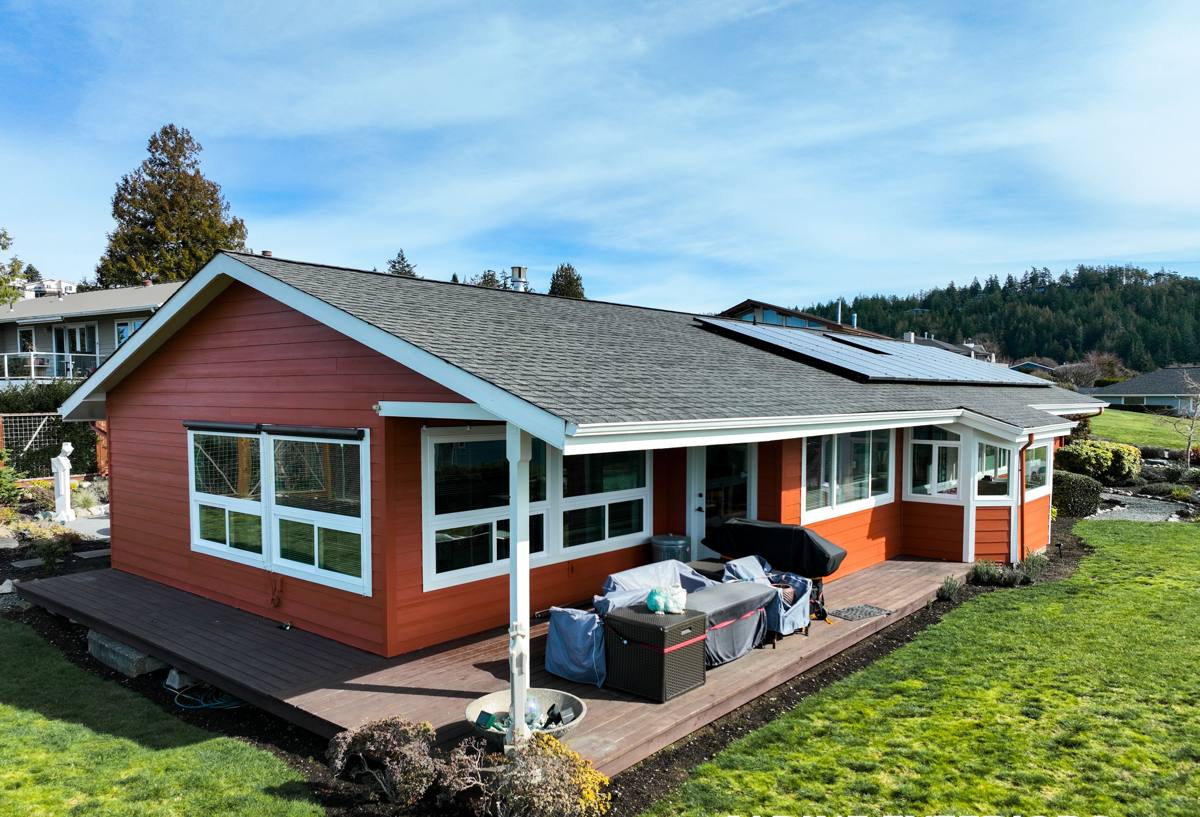
Why Lynnwood's Climate Is Harder on Siding Than It Looks
Salt Air and Marine Moisture
Homes closer to the water pick up airborne salt and moisture that accelerates corrosion on fasteners, trim, and any metal flashing components. Over time this moisture also works its way into seams and laps in lower-grade siding materials, softening or swelling them from the inside out — long before any damage is visible from the street.
Driving Rain and Wind-Driven Water
Snohomish County doesn't just get a lot of rain — it gets a lot of horizontal rain, driven by wind off the Sound and through the valleys. That matters because siding isn't just a decorative shell; it's part of a drainage system. Water gets pushed up under laps and around openings that would stay dry in a calmer climate, which is why flashing details and drainage planes matter more here than in drier regions.
The Long Moss and Shade Season
Between mature tree cover and the region's extended gray, wet season, many Lynnwood lots stay damp and shaded for months at a time. That's ideal growing conditions for moss and algae on siding surfaces, especially on north-facing walls and anywhere siding sits close to landscaping. Moss holds moisture directly against the siding surface, which is a slow but steady threat to any material that isn't dimensionally stable and moisture-resistant by design.
What a Correct Siding Replacement Actually Involves
A quality siding replacement is mostly invisible once it's finished — the parts that matter most are underneath the new boards. Homeowners comparing quotes should know what's supposed to happen at each stage, because skipping any of these steps is how a ten-year problem turns into a two-year problem.
Full Tear-Off and Sheathing Inspection
Old siding comes off completely, not just in patched sections, so the sheathing underneath can be inspected for rot, soft spots, or prior water damage. In a climate like Lynnwood's, hidden moisture damage behind old siding is common enough that skipping this step is a real risk — you can't fix what you can't see.
Weather-Resistive Barrier and Flashing
A new weather-resistive barrier (house wrap) goes on correctly lapped and taped, and flashing is installed at every window, door, deck ledger, and roofline intersection. This is the layer that actually keeps wind-driven rain out of the wall assembly — the siding itself is the second line of defense, not the only one.
Drainage Gap Behind the Siding
In a wet climate, a rain screen or drainage gap between the siding and the wall assembly gives any moisture that does get past the surface a way to drain and dry out instead of sitting trapped against the sheathing. This detail matters more in Western Washington than almost anywhere else in the country.
Fastening to Manufacturer Specification
Fiber cement siding has specific nailing patterns, fastener types, and clearance requirements from grade and rooflines. Installed off-spec, it can still look fine on install day and cause problems years later — buckling, cracking at fastener points, or moisture intrusion at the bottom edge.
Why We Install Only James Hardie Fiber Cement Siding
We standardized on James Hardie products and don't install vinyl, LP SmartSide, cedar, primed spruce, Cemplank, or Allura. That's a deliberate professional standard, not a sales preference, and it comes down to how each of those materials handles the exact conditions Lynnwood homes face.
Vinyl siding can warp and become brittle with temperature swings and doesn't hold up structurally the way fiber cement does over decades. Wood-based and engineered wood products, even treated ones, are more vulnerable to moisture absorption and rot in a climate defined by long wet seasons and persistent shade. James Hardie fiber cement is non-combustible, dimensionally stable in wet-dry cycling, and its ColorPlus factory-applied finish is baked on and warrantied against fading and peeling in a way field-applied paint isn't. Hardie also engineers specific product lines (their HZ5 line, for example) for regions with the kind of moisture exposure Western Washington sees. Combined with a strong transferable warranty, it's the product we're willing to put our name behind for a Lynnwood installation.
We're upfront that this means we're not the right fit for every budget or every homeowner who's already decided on a different material — but for anyone asking what we'd put on our own home in this climate, the answer is consistent.
Our Lynnwood Siding Replacement Process
1. On-Site Inspection and Honest Estimate
We look at your existing siding, trim, and any visible moisture or moss patterns before quoting anything. If your siding is failing in a specific way — moss buildup, soft spots, gapping at seams — we'll tell you what we're seeing and why it matters, not just give you a number.
2. Prep and Protection
Landscaping, walkways, and windows get protected before tear-off begins. We remove old siding down to the sheathing rather than working around problem areas.
3. Sheathing Repair, Barrier, and Flashing
Any damaged sheathing gets repaired or replaced before anything new goes on. Weather-resistive barrier, flashing, and drainage details go in next — this is the stage that determines how the wall performs in weather, long after the siding itself is up.
4. James Hardie Installation to Spec
Siding goes on following manufacturer fastening and clearance specifications, with attention to grade clearance and roofline details that matter in a wet climate.
5. Final Walkthrough
We walk the finished job with you, cover care and maintenance basics for your specific siding color and profile, and make sure everything from trim to caulking meets the standard we install to.
Signs a Lynnwood Home May Need Siding Replacement
- Persistent moss or algae staining that returns shortly after cleaning
- Soft, spongy, or bubbling spots anywhere on the siding surface
- Visible gaps, warping, or buckling between siding panels or boards
- Paint that's peeling or blistering repeatedly despite repainting
- Rot or discoloration around window and door trim
- Rising energy bills that may point to a failing exterior envelope
- Siding that's original to a home built more than 20-25 years ago
What Affects the Cost of a Siding Replacement
Every home is different, but the same handful of factors drive most of the cost variation we see on Lynnwood siding replacement projects:
| Cost Factor | Why It Matters |
|---|---|
| Home size and number of stories | More surface area and taller walls mean more material and labor, plus added scaffolding or lift access |
| Condition of existing sheathing | Hidden rot or moisture damage found during tear-off requires repair before new siding can go on |
| Siding profile and trim complexity | Lap siding, shingle-style panels, and detailed trim packages each require different labor and material |
| Color and finish selection | Factory-finished ColorPlus options vs. field-painted Hardie products affect both cost and long-term maintenance |
| Accessibility of the home | Steep lots, limited driveway access, or tight side yards common in some Lynnwood neighborhoods can affect labor time |
| Scope of tear-off | Full removal down to sheathing costs more upfront than a partial re-side, but is usually the correct approach on older homes |
Why It Matters to Hire a Crew That Already Works in This Area
Siding installation isn't identical everywhere, and a crew that mainly works in drier climates may not default to the drainage and flashing details that matter most here. A contractor who regularly works Lynnwood and the broader Snohomish County area already knows to plan for wind-driven rain at exposed elevations, to expect moss and shade issues on certain lot orientations, and to build in the drainage detailing that a marine climate requires. That local pattern recognition shows up in fewer callbacks and siding that actually performs the way it's supposed to for decades, not just on install day.
Caring for Your New Siding After Installation
James Hardie fiber cement is low-maintenance compared to wood or vinyl, but "low-maintenance" doesn't mean "no-maintenance" in this climate. A periodic soft wash to keep moss and algae from establishing on shaded walls, an annual check of caulking at trim and penetrations, and prompt attention to any landscaping that's grown up against the siding will keep a correctly installed system performing for its full service life. We'll walk you through the specifics for your home's color and profile at the end of the job.
If your Lynnwood home's siding is showing any of the signs above, or you're just planning ahead, we're happy to take a look and give you a straightforward, no-pressure estimate. Use the form below to get started.