 Everett
 Window Installation Built for Lynnwood's Climate
Lynnwood sits in Snohomish County, close enough to Puget Sound that homes here deal with a specific combination of stressors most window installers never have to think hard about: salt-tinged air, sideways-driving rain off winter storms, and a moss season that can stretch from fall through spring. None of that is dramatic on its own, but stacked together over years, it's exactly the kind of slow, steady exposure that finds every weak point in a window installation — a gap in the flashing, a bead of caulk that shrank, a sill that was never properly sloped to shed water.
Windows are one of the highest-risk penetrations in any exterior wall. A roof sheds water down and off; a window opening interrupts that path and has to redirect water back out, every time, in every direction the wind is blowing. When that detail is done right, a window can last decades. When it's rushed or done with shortcuts, moisture finds its way behind the trim and into the wall assembly long before anyone notices a problem from inside the house.
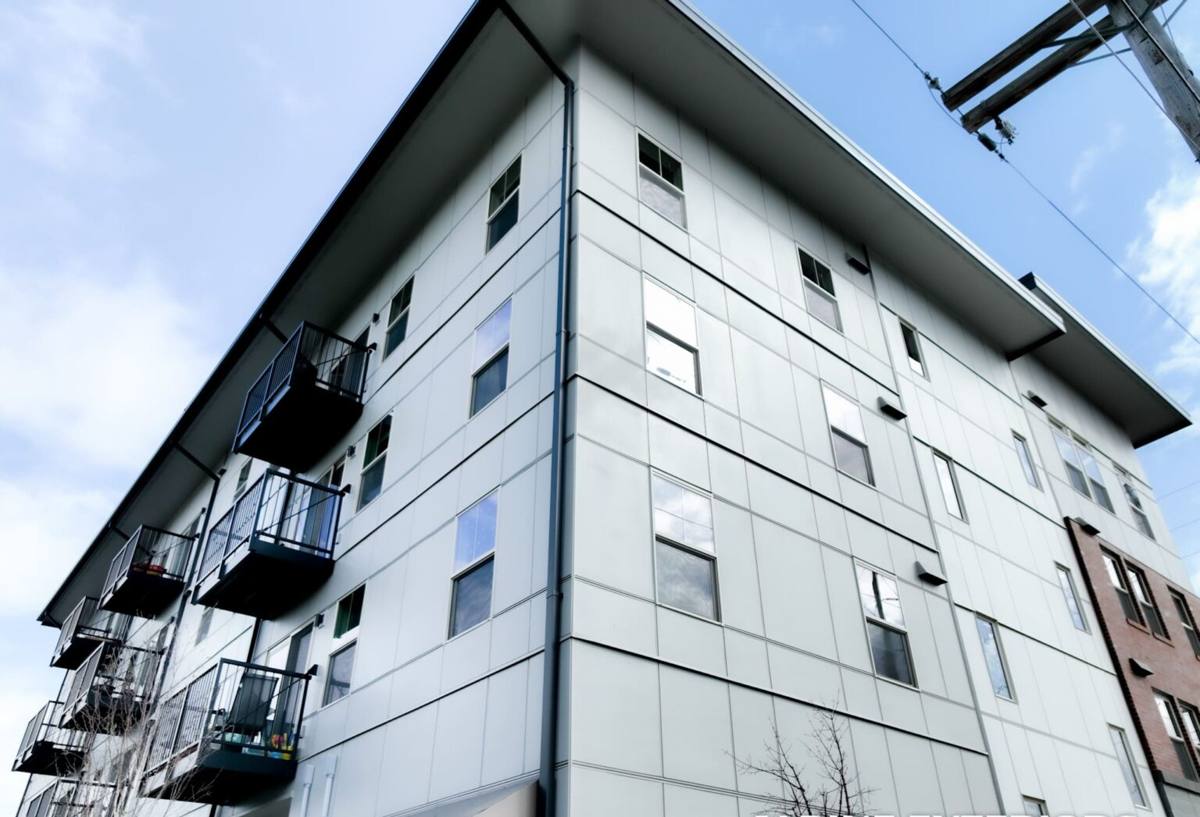
What "Correct" Window Installation Actually Involves
Swapping an old window for a new one in the same hole is the easy part, and it's also where a lot of installations go wrong. A correct install treats the window opening as a system, not just a frame to fill.
The Details That Matter
- Sill pan flashing — a sloped, sealed pan under the window that channels any water that gets past the glazing back outside instead of into the wall framing.
- Proper integration with the weather-resistive barrier — the house wrap or building paper has to be layered correctly with the window's flanges so water always moves downward and outward, never inward.
- Shimming and squaring — a window that isn't perfectly level and square will bind, won't seal tight against the sash, and puts uneven stress on the frame that shortens its life.
- Low-expansion foam or batt insulation around the frame, not gaps left empty or overpacked foam that bows the frame inward.
- Sealant sequencing — caulking the wrong seams, or caulking everything solid with no way for incidental moisture to escape, traps water instead of shedding it.
Skip any one of these and the window itself can be a premium product and still fail early. This is the part of the job that doesn't show up in a sales brochure, but it's the part that decides whether the installation holds up through a decade of Snohomish County winters.
Signs a Lynnwood Home's Windows Need Attention
Most homeowners don't think about window replacement until something is obviously wrong, but the early signs are usually quiet. Worth checking for:
- Fogging or a permanent haze between the panes — this means the seal on a double-pane unit has failed and the insulating gas or dry air pocket is gone.
- Windows that are hard to open, close, or lock, or that don't sit flush anymore — often a sign the frame has shifted or absorbed moisture.
- Soft, discolored, or spongy wood at the sill or lower frame corners.
- A noticeable draft near the frame even when the window is fully latched.
- Persistent moss, algae, or dark streaking on the sill, tracks, or lower frame — a sign that water is sitting there rather than draining away, which is common in shaded or north-facing walls in this area.
- Rising energy bills without another clear explanation.
Our Window Installation Process
The process is straightforward, but we don't skip steps to save time.
- On-site assessment — we look at each opening individually. Older homes in the Lynnwood area often have settling, uneven framing, or prior water damage that needs to be addressed before a new window goes in, not covered up by it.
- Accurate measurement and product selection — we measure for the actual opening, not a catalog standard, and talk through frame material, glass package, and operating style based on the wall's exposure to wind and rain.
- Careful removal of the old window — including an inspection of the framing and sheathing behind it for any hidden rot or moisture damage before we close it back up.
- Installation with proper flashing and sealing — sill pan, flange integration, shimming, insulation, and sealant applied in the correct order and locations.
- Interior and exterior trim work to match the home's existing finish.
- Cleanup and a walkthrough so you can see the operation of every window and ask questions before we consider the job done.
Window Materials and Types: What Holds Up in This Climate
There's no single "best" window for every home — it depends on the wall's sun and rain exposure, the home's age and style, and budget. Here's how the common frame materials generally perform in a marine climate like Snohomish County's:
| Frame Material | Moisture Resistance | Maintenance | Typical Fit |
|---|---|---|---|
| Vinyl | Very good — won't rot or corrode | Low — occasional cleaning | Most homes, strong value |
| Fiberglass | Excellent — very stable in wet/dry cycling | Low | Homes wanting a slimmer profile or paintable frame |
| Wood-clad | Good if the exterior cladding is intact and maintained | Higher — cladding and any exposed wood need monitoring | Homes prioritizing a traditional wood interior look |
| Aluminum | Fair — prone to condensation and, near the Sound, more susceptible to corrosion over time without a quality finish | Moderate | Specific architectural or commercial-style applications |
We'll walk through the honest trade-offs for your specific home rather than pushing one material for every job. The right choice depends on how exposed a given wall is to wind-driven rain, how much upkeep you want to do, and what fits the look of the house.
What Affects the Cost of Window Installation
Pricing varies a lot based on the specifics of the job, but these are the main factors that move the number up or down:
| Factor | Why It Matters |
|---|---|
| Number of windows | Per-window cost typically drops as the project scope grows |
| Frame material | Vinyl is generally the most budget-friendly; fiberglass and wood-clad cost more |
| Glass package | Double-pane vs. triple-pane, and low-E coatings, affect both cost and energy performance |
| Window size and style | Large picture windows, bays, or custom shapes cost more than standard double-hung units |
| Condition of the existing opening | Hidden rot or framing repair adds labor and materials |
| Trim and finish work | Matching existing interior or exterior trim adds time compared to standard trim |
We give a written, itemized estimate before any work starts, so you know what you're paying for and why — not a single lump number with no explanation behind it.
Why a Crew That Already Works in Lynnwood Matters
Window installation quality depends a lot on judgment calls that a generic crew unfamiliar with this area might not think twice about. A team that regularly works Snohomish County homes knows to watch the weather forecast closely and avoid opening up a wall during a stretch of driving rain, knows what moss and algae staining on a sill usually means before they even pull the old window, and has seen how salt-air exposure near the Sound tends to affect hardware and finishes differently than it would further inland. That familiarity shows up in fewer surprises during the job and a better outcome once it's buttoned up.
There's also a practical side to hiring local: if a question comes up after the install — a sticky sash, a question about warranty coverage — you're not waiting on a company that has to drive in from out of the area or juggling a call center. You're dealing with the same crew that did the work.
After Installation: Keeping Your New Windows Performing
A correctly installed window is largely maintenance-free, but a little seasonal attention goes a long way in this climate:
- Clean tracks and weep holes periodically so moss, pollen, and debris don't block drainage paths.
- Check exterior caulk lines once a year for cracking or separation, especially after a hard winter.
- Keep gutters and downspouts clear so roof runoff isn't dumping extra water directly onto window heads.
- Trim back vegetation that's holding moisture against the exterior wall near a window.
- Operate each window a few times through the seasons — a sash that starts sticking is worth a quick look before it becomes a bigger issue.
Get a Free Estimate for Your Lynnwood Home
If you're dealing with drafty, foggy, or hard-to-operate windows, or you're just planning ahead, we're happy to take a look and give you an honest, no-pressure assessment of what your home actually needs. Use the form below to request a free estimate for window installation in Lynnwood.