 Everett
 Board & Batten Siding, Done Right, for North Everett
North Everett homes sit close enough to the water and open enough to weather that siding choices matter more here than in a lot of inland neighborhoods. Board and batten is one of the most requested looks in this part of Snohomish County right now — the vertical lines read as clean and modern on newer builds, and they pair naturally with the craftsman and farmhouse-style homes that make up a lot of North Everett's housing stock. But board and batten is also one of the styles most likely to be installed wrong, and a wrong installation shows up faster here than almost anywhere else in Western Washington because of what the local climate throws at it year-round.
This page is about that specific combination: the board and batten look, applied correctly, on a home that has to stand up to North Everett's weather. Not a generic overview of siding styles — the actual considerations that matter for this look, in this neighborhood.
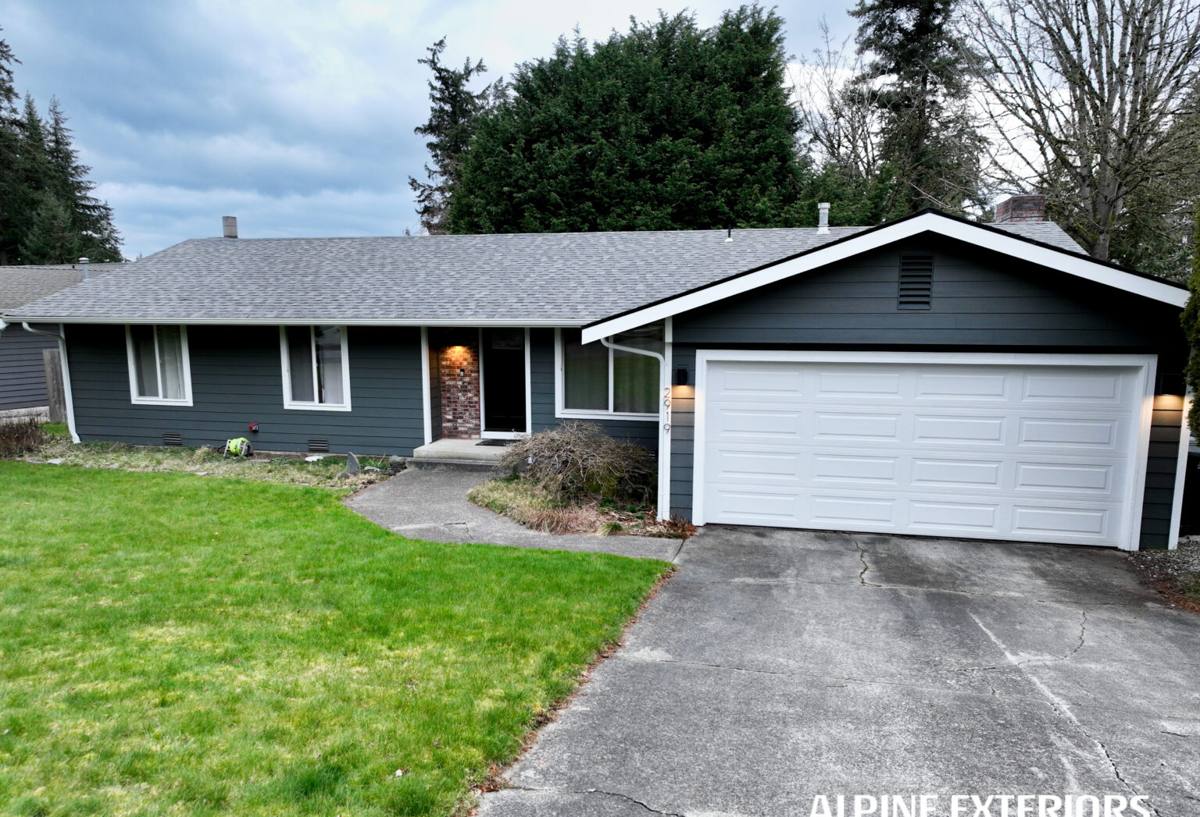
What North Everett's Climate Actually Does to Vertical Siding
Everett sits on Port Gardner Bay, and North Everett gets a direct dose of the marine environment that comes with that location. Three things matter most for board and batten siding specifically:
Salt Air
Salt-laden air off the Sound accelerates corrosion on fasteners, flashing, and any exposed metal trim. Board and batten relies on a lot of linear seams and batten-to-board joints — more seams than a standard lap profile — which means more opportunities for a cheap fastener or unsealed joint to start corroding and staining the face of the siding.
Driving Rain
Wind-driven rain off the water doesn't just fall straight down — it gets pushed sideways into wall assemblies, especially on street-facing and water-facing elevations. Vertical board and batten profiles create a lot of horizontal-facing seams between boards and battens where wind-driven rain wants to intrude if the laps and gaps aren't detailed correctly.
Extended Moss Season
Snohomish County's wet season runs long, and North Everett's tree cover and marine humidity extend the window where moss and algae can take hold. Vertical siding profiles actually shed moss and standing moisture better than some horizontal styles when properly installed, since there's no flat horizontal ledge for spores to collect on — but that advantage disappears if battens are installed tight to the wall with no drainage path behind them.
Why Board & Batten Is Less Forgiving Than It Looks
A lap siding job with a few sloppy nail placements can survive for years before it becomes visibly obvious. Board and batten is less forgiving. The reveal lines are straight, the shadow lines are sharp, and any inconsistency in batten spacing, fastener pattern, or board flatness is visible from the street. On top of that, the functional risks are higher:
- More vertical seams mean more places for water to find a way behind the cladding if joints aren't lapped, caulked, or flashed correctly
- Battens installed without a drainage gap behind them trap moisture against the wall assembly instead of shedding it
- Fastener placement through both the board and the batten has to hit framing consistently, or the assembly loosens and telegraphs waviness over time
- Butt joints in long wall runs need to be staggered and flashed, not just butted and caulked
None of this is exotic knowledge, but it's exactly the kind of detail that gets rushed on a fast-turnaround job, and North Everett's weather has no patience for shortcuts.
What a Correct Board & Batten Installation Involves
Drainage Plane First
Before any board goes up, the wall needs a proper water-resistive barrier with correctly lapped and taped seams, and furring or a rainscreen gap where the board and batten profile calls for it. This is the part of the job nobody sees once it's finished, and it's the part that determines whether the siding lasts.
Board Layout and Fastening
Boards get fastened first, spaced to allow for the material's expansion and contraction, with fasteners driven into framing at the manufacturer's specified pattern — not just wherever is convenient. Battens go over the board seams, fastened independently so the two layers can move slightly without binding against each other.
Flashing at Every Penetration
Windows, doors, hose bibs, light fixtures, vents — every penetration through a board and batten wall needs proper flashing integrated with the drainage plane, not just caulk applied after the fact. Caulk is a maintenance item; flashing is the actual water management system.
Trim and Transitions
Corners, water tables, and transitions to roof lines or other siding profiles need trim details that keep water moving down and out, not pooling at a joint. This is where a lot of the character of a board and batten home comes from, and it's also where poor detailing shows up first as staining or rot.
Why We Only Install James Hardie for This Look
Board and batten is available in vinyl, engineered wood, and fiber cement, and we've made a deliberate call to install only James Hardie fiber cement for it. Here's the honest reasoning:
| Material | Relevant Trade-off in a Marine Climate |
|---|---|
| Vinyl board and batten | Panels expand and contract more with temperature swings, seams and corners can gap over time, and the material doesn't hold paint or color the same way if damaged — repairs often mean replacing whole panels |
| Engineered wood (LP-type) board and batten | Wood-based substrate is more sensitive to sustained moisture exposure at cut edges and seams; performance depends heavily on flawless field sealing, which is a hard standard to guarantee over a home's lifetime in a wet climate |
| Primed spruce / cedar board and batten | Real wood offers an authentic look but needs ongoing repainting and sealing, and is more vulnerable to moisture intrusion, splitting, and rot in a long wet season |
| James Hardie fiber cement | Non-combustible, engineered specifically for Pacific Northwest moisture exposure in the HZ5 product line, holds ColorPlus factory finish without the repaint cycle of wood, and is dimensionally stable across temperature and humidity swings |
Hardie's board and batten profile is engineered as a system — boards, battens, and trim designed to work together with documented fastening and clearance specs, backed by a transferable warranty. That system approach, paired with correct installation, is what actually holds up against salt air, driving rain, and moss season year after year. It's why we don't offer the alternatives, not because they're worthless products, but because we're not willing to put our name on an installation we don't think will perform on this coastline.
Our Process for North Everett Board & Batten Projects
- On-site assessment — we look at your home's current siding condition, existing moisture damage if any, exposure to wind and rain direction, and how the board and batten look will work with your home's architecture
- Drainage plane and substrate review — we check what's happening behind the current cladding before we ever price the job, because a good-looking board and batten install over a bad drainage plane is a problem waiting to happen
- Detailed proposal — board layout, batten spacing, trim details, and color selection from James Hardie's ColorPlus line, priced clearly with no surprise change orders for basic scope
- Installation to manufacturer spec — correct drainage gap, fastener pattern, flashing at every penetration, and staggered joints on long runs
- Final walkthrough — we go over the finished work with you, including how to care for ColorPlus finishes and what to watch for seasonally
Why Local Installation Experience Matters
A crew that has worked North Everett homes already knows which elevations catch the worst of the wind off the Sound, how tree cover in different pockets of the neighborhood affects moss growth, and how older North Everett homes were built — which matters when you're tying new board and batten siding into existing framing, trim, and rooflines. That local pattern recognition isn't something you get from a install manual. It's the difference between a crew that treats every home as generic and a crew that treats your home as a specific building in a specific microclimate.
Maintenance Expectations Specific to This Style
Board and batten siding done right is genuinely low-maintenance, but "low" doesn't mean "none." A short annual checklist keeps it performing the way it should:
- Rinse the siding down once or twice a year to clear salt residue and organic buildup before moss gets a foothold
- Check caulked joints around windows, doors, and penetrations annually — caulk is a wear item even on a well-flashed wall
- Keep gutters and downspouts clear so water isn't sheeting down the wall face during heavy rain events
- Trim back vegetation that shades siding and keeps it damp longer than the rest of the house
- Watch for any hairline cracking or staining at seams and have it looked at early rather than waiting
Get a Straight Answer for Your Home
Every North Everett property faces the weather a little differently depending on elevation, tree cover, and orientation to the water. If you're considering board and batten siding, we'll walk your property, tell you honestly what your home needs, and give you a clear estimate with no pressure to sign anything on the spot.