 Everett
 Roofing for Pinehurst's Particular Mix of Weather
Pinehurst homes sit close enough to Puget Sound and the broader Everett marine layer that roofs here age differently than roofs twenty miles inland. It isn't one dramatic storm that wears out a roof in this part of Snohomish County — it's the steady combination of salt-tinged air, wind-driven rain that finds every weak seam, and a moss season that can run most of the year in shaded, north-facing sections of a roof. An asphalt shingle roof that's designed and installed with those three factors in mind will simply last longer and perform better than one installed using generic, one-size-fits-all specs.
This page is about one thing: asphalt shingle roofing done right for Pinehurst conditions. Not a general overview of every roofing material we offer, and not a sales pitch — just a straightforward look at what your roof is up against here, what a correct installation actually involves, and how we approach the job.
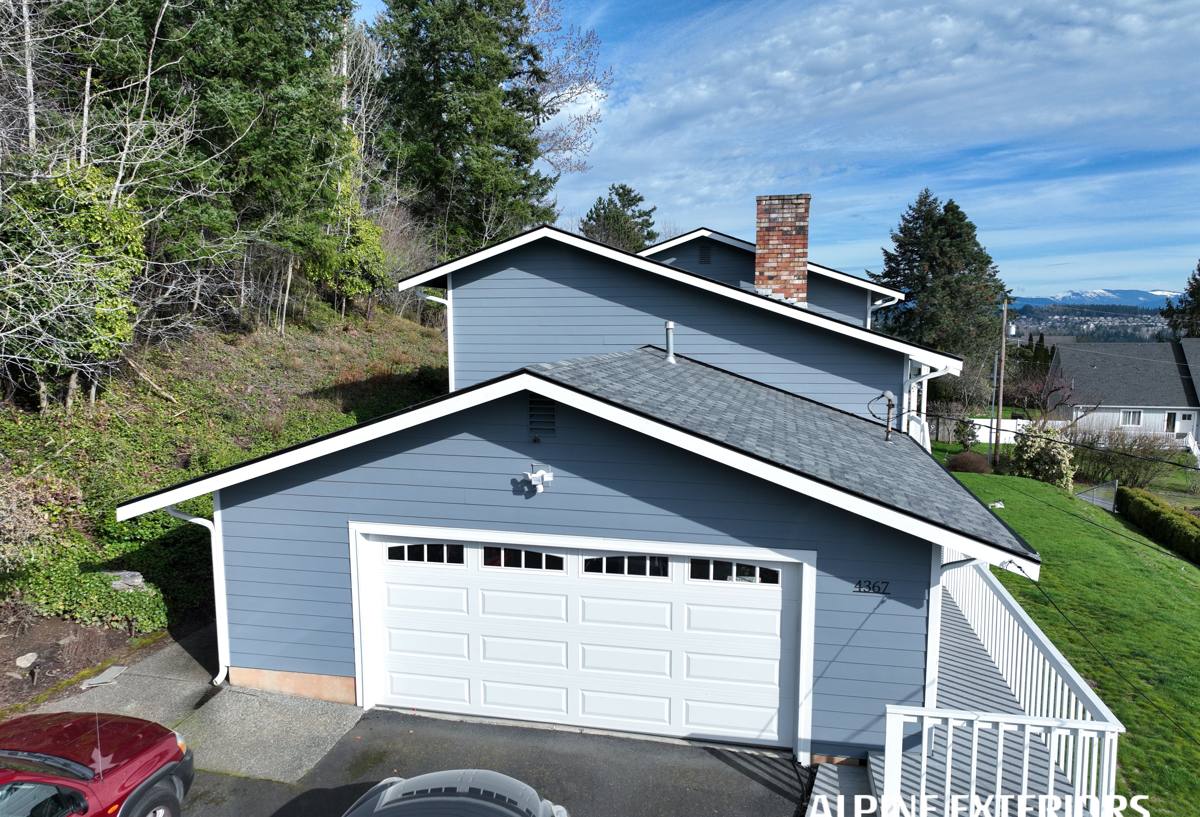
What Everett's Climate Actually Does to a Shingle Roof
Salt Air and Marine Exposure
Homes closer to the water pick up airborne salt and moisture that can accelerate corrosion on exposed metal — nail heads, flashing edges, vent housings, and gutter hardware. Standard fasteners and lower-grade flashing metals corrode faster in this environment, which is why the small hardware choices on a roofing job matter as much as the shingle brand on the bundle.
Moss and Sustained Moisture
Everett's long, mild, wet stretches are close to ideal growing conditions for moss, especially on roof slopes that stay shaded by mature trees or face north. Moss isn't just a cosmetic issue — it holds moisture directly against the shingle surface, works its way under shingle tabs and edges, and over time can lift granules and shorten the life of the roofing material underneath it. A roof that never gets direct sun for months at a stretch needs to be built and maintained with that reality in mind.
Wind-Driven Rain
Rain in this region rarely falls straight down. Wind pushes it sideways and up under eaves, around chimneys, and into valleys and step-flashing joints. A roof can look perfectly fine from the ground and still be letting water in at a poorly lapped flashing detail or an under-driven nail. This is the single biggest reason installation quality matters more here than in drier climates — the margin for error is smaller.
What a Correctly Installed Asphalt Shingle Roof Includes
A shingle roof is a system, not just a layer of shingles nailed to plywood. Each component below plays a specific role in keeping wind-driven rain and prolonged moisture out of your home.
Underlayment and Water Barrier
Synthetic underlayment goes down first as the roof's real waterproof layer, with self-adhering ice-and-water barrier reinforcing the vulnerable spots — eaves, valleys, and around any roof penetration. In a climate where the shingles themselves will occasionally take on wind-driven moisture from the side, this underlying layer is what actually keeps water out of the decking.
Flashing at Every Transition
Chimneys, skylights, sidewalls, and roof valleys are where the large majority of leaks originate — almost never in the open field of shingles. Correct step flashing, counter-flashing, and valley metal, properly lapped and sealed, are what keep those transition points dry through years of driving rain.
Ventilation That Matches the Attic
Balanced intake and exhaust ventilation keeps attic moisture from condensing against the roof deck from the inside, which matters just as much as keeping rain out from the outside. Poor ventilation shortens shingle life, can void manufacturer warranties, and contributes to the kind of trapped moisture that invites rot and mold in a wet climate like ours.
Fastening and Hardware
Correct nail placement (not staples, not overdriven or underdriven nails) and corrosion-resistant hardware matter more here given the salt air near the Sound. This is a detail that's invisible once the job is done but has an outsized effect on how the roof holds up over the following 15–25 years.
Choosing the Right Shingle for This Neighborhood
Not every asphalt shingle is built the same way, and for a roof that will spend real time under moss pressure and salt-tinged rain, the differences matter.
| Shingle Type | Best Fit For | Trade-Offs to Know |
|---|---|---|
| Standard 3-tab | Budget-conscious replacements, simpler rooflines | Shorter lifespan, less algae/moss resistance, thinner wind rating |
| Architectural (laminate) | Most Pinehurst homes — better durability and appearance | Higher upfront cost than 3-tab, but stronger long-term value |
| Algae-resistant (copper-granule) shingles | Shaded, north-facing, or tree-covered roof sections | Slight cost premium; the copper granules specifically slow moss and algae regrowth |
| Impact-rated / high-wind rated | Exposed roofs and open sightlines to the Sound | Added cost, but reduces wind and debris damage over time |
For most Pinehurst homes, we lean toward architectural shingles with algae-resistant granules on any shaded slopes, paired with a wind rating suited to open or exposed sections of the roof. That combination is what actually holds up against the moss-and-wind pairing this area produces, rather than just looking good on installation day.
Our Asphalt Shingle Roofing Process
1. On-Site Assessment
We start by actually getting on the roof — not just estimating from photos or satellite imagery — to check deck condition, existing ventilation, flashing points, and any moss or moisture damage that isn't visible from the ground.
2. Honest Scope and Estimate
You get a clear, itemized estimate that separates what's needed (deck repair, flashing replacement, ventilation upgrades) from what's optional, so you're not guessing at what you're actually paying for.
3. Tear-Off and Deck Inspection
Old roofing comes off down to the deck, which gets inspected for soft spots, rot, or prior water damage — problems that are impossible to fully diagnose until the old layer is off.
4. System Installation
Underlayment, ice-and-water barrier, flashing, shingles, and ventilation components go in as a coordinated system, in the sequence and overlap pattern that manufacturer specs and the local weather demand.
5. Final Walkthrough
We walk the finished roof and the site with you, cover warranty paperwork, and make sure gutters, downspouts, and cleanup are handled before we consider the job done.
Signs Your Pinehurst Roof May Need Attention
Because leaks in this climate often start at flashing and transition points rather than open shingle field, they're not always obvious from inside the house until damage has already progressed. Watch for:
- Dark streaking or green/black growth concentrated on shaded or north-facing slopes
- Granules collecting in gutters or at the base of downspouts
- Curling, cupping, or lifted shingle edges, especially after windy storms
- Soft or spongy spots when walking the roof (best assessed by a professional)
- Water stains on interior ceilings near chimneys, skylights, or valleys
- Visible daylight or gaps around flashing when viewed from the attic
- Moss buildup thick enough to hold visible moisture after a dry stretch
Any one of these is worth a look before it becomes a deck-level repair. Catching flashing and moss issues early is almost always cheaper than dealing with the water damage that follows once they're ignored.
Repair or Replace: What Actually Drives the Decision
| Factor | Leans Toward Repair | Leans Toward Replacement |
|---|---|---|
| Roof age | Under 10–12 years | Approaching or past 20 years |
| Damage extent | Isolated to one section or flashing point | Widespread granule loss, multiple leak points |
| Deck condition | Solid, no rot found | Soft decking or repeated past water intrusion |
| Moss/algae history | Light, manageable with cleaning | Heavy, recurring, damaging shingle surface |
| Ventilation | Adequate and balanced | Undersized or absent — often worth correcting during replacement |
We'll always tell you honestly which side of that table your roof falls on. A targeted flashing or shingle repair is the right call more often than people expect — we don't push replacement when a repair will genuinely hold up.
Maintenance That Actually Matters in a Moss-Heavy Climate
A well-installed roof still benefits from basic upkeep in a region where moss season runs long. Keeping gutters clear so water doesn't back up under the shingle edge, trimming back branches that shade the roof and keep it damp, and having moss physically removed (rather than just chemically treated and left in place) all extend the life of the roof between major service. None of this requires a large annual budget — it's mostly about not letting small, cheap-to-fix issues sit through another wet season.
Why It Matters That We Already Work in Pinehurst
A crew that regularly works Everett and Snohomish County roofs already knows which slopes in this area tend to hold moss, how local wind patterns hit exposed rooflines near the Sound, and what flashing details actually need reinforcing here versus in a drier inland climate. That's not a marketing point — it's the difference between a generic installation and one that's specified for the conditions your roof will actually face over the next two decades. We're not learning this climate on your house; we're applying what already holds up on the homes around you.
If your Pinehurst roof is showing early wear, dealing with recurring moss, or you're just planning ahead for a replacement, we're happy to take a look and give you a straightforward, no-pressure estimate. Use the form below to get started.