 Everett
 Deck Replacement for Pinehurst Homes
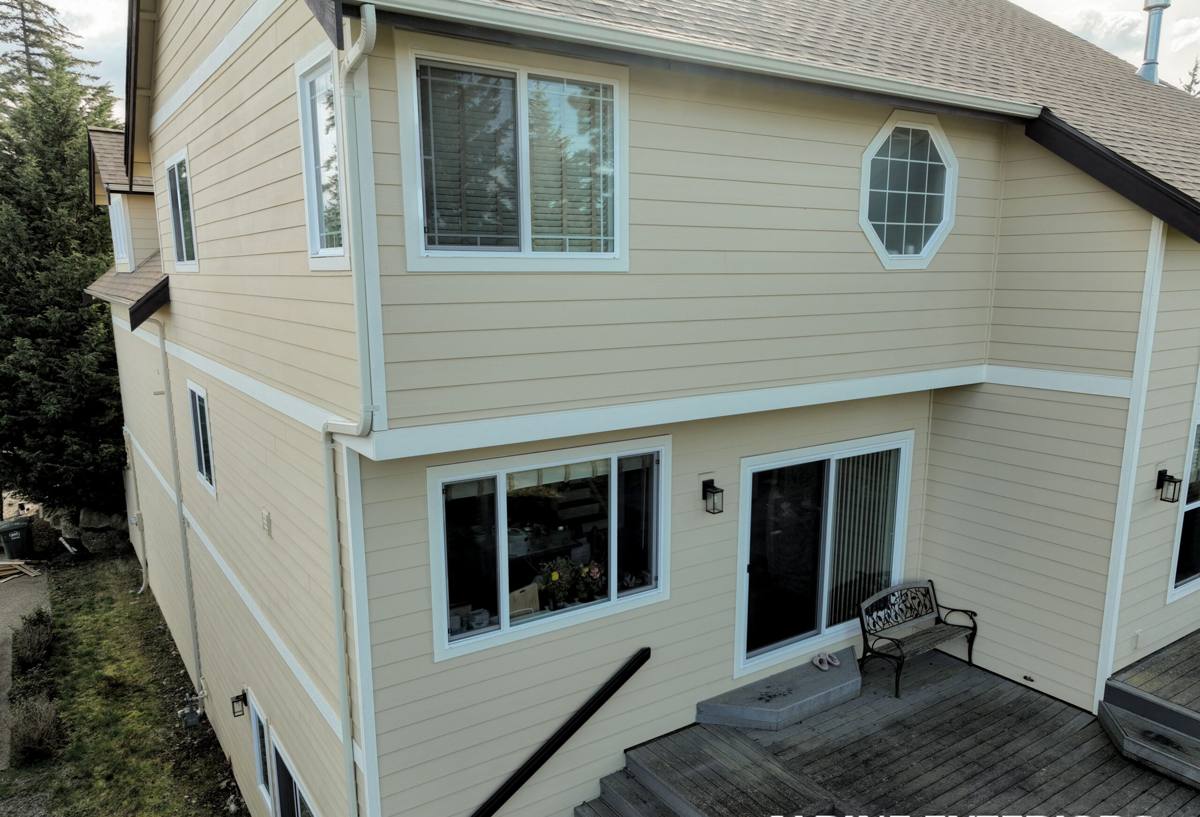
Pinehurst homeowners deal with a specific combination of conditions that shortens the life of an outdoor deck faster than most people expect. Salt-tinged air off the Sound, long stretches of driving rain, and a moss season that can run from fall through spring all work against wood and fasteners year-round. A deck that looks fine from the yard can be quietly failing underneath — at the ledger board, the footings, or the joists — long before the surface boards show obvious rot. This page covers what a proper deck replacement in this part of Everett actually involves, what tends to go wrong with decks in this climate, and how we approach the job when we replace one.
We're not writing about deck replacement in general terms here. This is specifically about what a Pinehurst property needs, given the moisture exposure, tree cover, and soil conditions common in this part of Snohomish County.
Why Decks Wear Out Faster Here Than in Drier Climates
Wood decking and framing lumber are engineered to handle some moisture, but they're not designed for near-constant dampness. In Pinehurst, several factors combine to push decks toward failure earlier than a manufacturer's rated lifespan would suggest:
- Driving rain gets pushed sideways by wind off the water, soaking areas that a vertical rain wouldn't reach — including the undersides of rail caps, the backs of fascia boards, and ledger connections against the house.
- Salt air accelerates corrosion on fasteners, joist hangers, and any exposed metal hardware. Once a screw or bracket starts rusting, it loses holding strength long before it looks visibly bad.
- Moss and algae hold moisture against the wood surface for weeks at a time during our wet season, which is very different from rain that dries within a day or two. Sustained dampness is what actually causes rot — not a single storm.
- Shade from mature trees, common on many Pinehurst lots, slows drying time even further after rain or morning dew.
None of this means a deck can't last a long time in this area. It means the materials, fasteners, and flashing details have to be chosen and installed with this specific exposure in mind — not treated as an afterthought.
Signs a Deck Needs Replacement, Not Just Repair
Not every deck problem calls for a full tear-off. But there are a handful of signs that point toward replacement rather than patching:
- Soft or spongy decking boards in multiple areas, not just one or two isolated spots
- Rot or rust at the ledger board where the deck attaches to the house
- Visible gaps, cracking, or movement at the posts or footings when the deck is loaded or shaken
- Railings that flex or feel loose under normal pressure
- A structure that was never properly flashed at the house connection, allowing water to track behind siding
- Repeated localized repairs over the years that haven't addressed the underlying moisture path
That last point matters. If a deck has had the same corner rebuilt two or three times, the actual problem is usually a flashing or drainage issue, not the boards themselves. Replacing the surface without fixing that will just repeat the same failure in a few years.
What a Correct Deck Replacement Involves
Starting Below the Surface
The visible decking is the least important part of the job from a durability standpoint. What actually determines whether a new deck lasts is what happens at the footings, the ledger, and the framing:
- Footings need to be sized and set to current code depth for frost and load, not just re-used from the old deck if they were undersized or have shifted.
- The ledger board connection — where the deck ties into the house — needs proper flashing that directs water away from the wall assembly, along with structural fasteners rated for the load, not just nails.
- Joists should be spaced and sized for the actual span and decking material being used, with joist tape or another moisture barrier on top to keep water from sitting on the joist and rotting it from above.
- Hardware — joist hangers, post bases, structural screws — should be corrosion-resistant hardware rated for exterior and coastal-influenced use, not standard interior-grade fasteners.
Then the Visible Work
Decking boards, rail systems, and stair details come after the structure is right. This is also where drainage matters: proper spacing between boards, a slight slope away from the house, and clear ventilation underneath all help the deck dry out between rain events instead of trapping moisture.
Decking Material Options for This Climate
There's no single "best" decking material for every home — it depends on budget, maintenance expectations, and how the deck will be used. Here's an honest comparison of the common options as they perform under Pinehurst's rain and moss exposure:
| Material | Moisture Performance | Maintenance | Typical Lifespan |
|---|---|---|---|
| Pressure-treated lumber | Good if properly sealed and re-sealed; absorbs water at cut ends and screw holes | Needs re-staining/sealing every 1-3 years in this climate | 15-20 years with upkeep |
| Cedar | Naturally rot-resistant but still needs sealing to resist moss and graying | Regular cleaning and periodic sealing | 15-25 years with upkeep |
| Composite decking | Doesn't absorb water or rot; some grip when wet due to surface texture and moss | Periodic cleaning to prevent moss/algae buildup on the surface | 25-30+ years, manufacturer-dependent |
| PVC decking | Fully water-resistant; no wood fiber to rot | Low — occasional washing | 25-30+ years, manufacturer-dependent |
Composite and PVC decking have become popular in wetter parts of Snohomish County specifically because they remove the ongoing sealing and staining burden that wood decking demands in a climate like ours. That said, wood is still a reasonable choice for homeowners who prefer its look and are willing to keep up with maintenance — the framing and flashing details matter more to longevity than the decking surface itself.
How We Approach a Deck Replacement Project
- On-site assessment — we look at the existing structure, footings, and ledger connection to understand why the current deck is failing, not just what it looks like on top.
- Written estimate — a clear scope covering demolition, framing, footings, decking material, railings, and any permit work, with straightforward pricing.
- Permit filing — most deck replacements in Everett require a building permit, especially for decks over a certain height or attached to the house. We handle this as part of the process rather than leaving it to the homeowner.
- Demolition and disposal — the old deck comes down and is hauled off; we check the area underneath for any hidden moisture damage to the house framing or siding before building.
- Framing and footings — new footings, posts, ledger flashing, and joists are installed to current code, sized for the deck's actual use and load.
- Decking, rails, and stairs — installed with attention to fastener spacing, drainage, and the material manufacturer's specific installation requirements.
- Final walkthrough — we go over the finished deck with the homeowner, including basic care guidance for whatever material was installed.
Permits and Code Considerations in Snohomish County
Deck work attached to a home, or elevated above a certain height, generally requires a permit under the building codes that apply in Everett and unincorporated Snohomish County. This isn't a formality to skip — it exists because the structural requirements for footings, ledger attachment, and guardrails are what keep a deck safe under real-world loads, including wet lumber and standing groups of people. A permitted job also gets inspected, which is a second set of eyes on the structural work before it's covered up by decking boards. We factor permit filing and inspection scheduling into the project timeline rather than treating it as an extra step tacked on at the end.
Drainage, Moss, and Long-Term Care
Even a well-built deck needs some ongoing attention in a climate with a moss season this long. A few habits go a long way toward protecting the investment:
- Sweep leaves and debris off the deck surface regularly, especially in fall — trapped organic matter holds moisture and feeds moss growth
- Keep gutters and downspouts near the deck clear so runoff isn't dumping directly onto or under the structure
- Check the ledger flashing area periodically for any signs of water staining on nearby siding
- Clean composite or PVC decking on a schedule to prevent moss buildup, which can make the surface slick
- Re-seal wood decking on the schedule appropriate to the product — don't wait until it's visibly gray and dry
- Trim back overhanging branches where practical to improve sun exposure and drying time
None of this replaces a properly built deck, but it extends the life of one significantly.
Why a Crew That Already Works in Pinehurst Matters
A deck replacement done by a crew unfamiliar with this specific area often misses details that only show up after a season or two — flashing details sized for a drier climate, decking spacing that doesn't account for how much this area's rain and moss cycle affects drainage, or hardware that isn't rated for the salt-air corrosion common closer to the water. Working regularly in Pinehurst and the surrounding Everett neighborhoods means we've seen how decks in this specific area actually fail over time, not just how they're built on paper. That translates into decisions on footing depth, fastener grade, and flashing detail that are matched to what this climate actually does to a structure, rather than a generic specification.
It also means straightforward logistics — permit familiarity with the local jurisdiction, realistic scheduling around our wet months, and a crew that isn't learning the area's quirks on your project.
Get a Straightforward Estimate
If your deck is showing soft spots, rust at the connections, or you're just planning ahead before it becomes a safety issue, we're glad to take a look. The estimate is free, there's no pressure, and you'll get a clear picture of what your specific deck actually needs — whether that's a full replacement or something less. Use the form below to get started.