 Everett
 Window Installation Built for Pinehurst's Weather, Not a National Average
Homes in the Pinehurst area near Everett sit inside one of the more demanding window environments in Snohomish County. The combination of salt-laden air off Puget Sound, wind-driven rain that hits siding and window assemblies sideways rather than straight down, and a moss season that can stretch for months creates conditions that a generic, big-box window install often isn't detailed enough to handle. Windows here don't just need to look good — they need to shed water correctly, resist corrosion, and keep moisture out of wall cavities year after year.
This page focuses specifically on window installation for Pinehurst homes: what the local climate does to windows over time, what a correct installation actually involves, how our process works on this type of job, and why experience in this specific area matters more than most homeowners realize until something goes wrong.
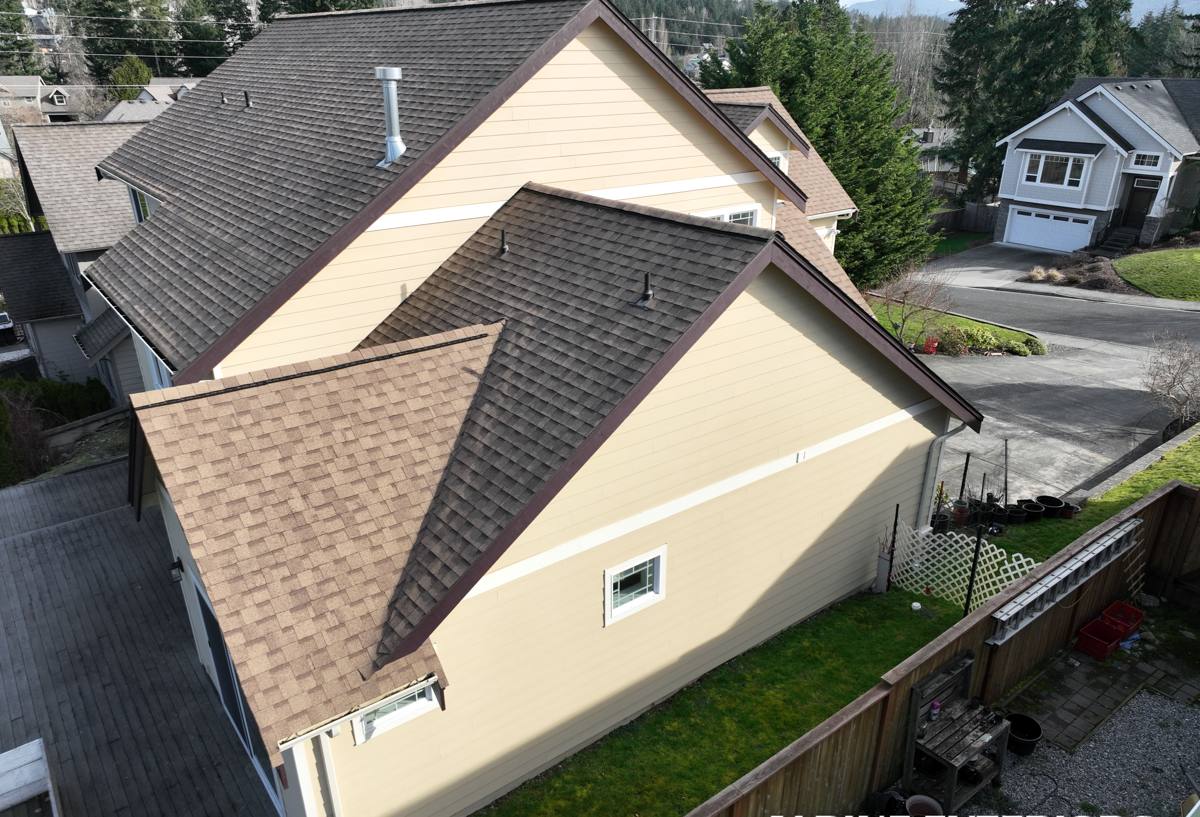
What Salt Air, Rain, and Moss Season Actually Do to Windows
It's easy to think of window failure as a distant, decades-away problem. In this climate, the timeline is shorter, and the damage is often hidden until it's expensive.
Salt Air and Metal Components
Proximity to the Sound means airborne salt settles on window hardware, screen frames, and unprotected fasteners. Over time this accelerates corrosion on lower-grade hardware, pitting locks, hinges, and balance systems faster than the same window would wear in an inland home. It's one reason we pay attention to hardware finish and fastener material, not just glass and frame.
Driving Rain and Water Intrusion
Storms coming off the Sound frequently drive rain horizontally into west- and south-facing walls. A window that's watertight in a light, straight-down rain can still leak under wind-driven conditions if the flashing detail underneath it was done wrong. Most window leaks we find in this area aren't glass or frame failures at all — they're flashing and sealant failures where water was never given a controlled path back out.
Moss, Algae, and Trapped Moisture
The long wet season here supports moss and algae growth on north-facing and shaded surfaces for much of the year. Around windows, that sustained dampness matters most where it collects against wood trim, sills, or old caulk joints that have started to crack. Trapped moisture doesn't need a dramatic leak to cause rot — it just needs time, and this climate gives it plenty.
Signs a Pinehurst Home's Windows Need Attention
Because so much window damage here starts hidden behind trim or under the sill, it's worth knowing what to check for before a small issue becomes a wall-cavity repair.
- Soft or discolored wood trim around the window frame, especially at the bottom corners
- Visible daylight or drafts around the sash when the window is closed and locked
- Fogging or condensation between panes of a double- or triple-glazed unit (a sign the seal has failed)
- Paint bubbling, peeling, or staining on interior drywall near a window
- Windows that are difficult to open, close, or lock — often a sign the frame has shifted or swelled
- A musty smell near a window that doesn't go away with cleaning
- Visible moss or persistent green staining building up on the sill or trim below the window
Any one of these on its own isn't necessarily an emergency, but several together — especially soft trim plus a musty smell — usually means water has been getting past the window assembly for a while.
What a Correct Window Installation Actually Involves
The window unit itself is only part of the job. Most of what determines whether a window performs well in this climate for the next 20+ years happens in the details around it.
Flashing and Water Management
Every window opening needs a flashing sequence that layers correctly with the home's weather-resistive barrier — sill pan first, then side flashing, then head flashing, each one lapping over the layer below it so water is always directed outward and down, never trapped behind the window. Skipping or shortcutting this sequence is the single most common cause of window leaks we see, regardless of how good the window itself is.
Air Sealing and Insulation
The gap between the window frame and the rough opening needs to be sealed and insulated properly — not just caulked on the outside. Low-expansion foam or backer rod and sealant around the perimeter cuts drafts and keeps humid interior air from condensing inside the wall cavity during cold, damp stretches of the year.
Proper Fastening and Shimming
Windows need to be shimmed level, plumb, and square before fastening, with shims placed at the manufacturer's specified points so the frame doesn't bow under fastener pressure. A slightly out-of-square window won't just operate poorly — it can stress the seals and shorten the life of the glazing.
Sill Pan and Sloped Sills
A properly formed sill pan gives any water that does get past the sash a way to drain back out instead of pooling on the sill and working into the wall below. Given how much wind-driven rain this area sees, we treat sill pan flashing as non-negotiable rather than optional.
Choosing a Window Frame Material for This Climate
Frame material affects how well a window holds up against salt air, moisture, and the freeze-thaw swings that happen even in a relatively mild Puget Sound winter.
| Frame Material | Moisture & Salt Resistance | Maintenance | Typical Trade-Off |
|---|---|---|---|
| Vinyl | Good — won't corrode or rot | Low | Can look less premium; limited color options |
| Fiberglass | Very good — dimensionally stable, resists warping | Low | Higher upfront cost than vinyl |
| Wood-clad | Good on the exterior clad side, but exposed wood interior needs care | Moderate | Interior wood needs periodic finishing |
| Aluminum | Weaker — prone to corrosion near salt air unless heavily coated | Moderate to high | We generally steer homeowners away from bare aluminum this close to the Sound |
We don't push one brand or material on every home. The right choice depends on your budget, the home's style, and how much long-term maintenance you want to take on — but we'll always tell you honestly where a material is likely to struggle in this specific environment.
Our Process for a Pinehurst Window Installation
The process is straightforward, but we don't skip steps just to move faster.
- On-site assessment — we check existing window condition, look for signs of past water intrusion, and measure each opening precisely.
- Product selection — we walk through frame material, glazing options, and performance ratings suited to your home's exposure (wind, sun, and rain direction matter here).
- Removal and opening inspection — once old windows come out, we inspect the rough opening and sheathing for rot or prior water damage before anything new goes in.
- Flashing and installation — sill pan, side and head flashing, shimming, fastening, and air sealing, done in sequence.
- Interior and exterior finish work — trim, caulking, and touch-up so the window looks finished inside and out.
- Final check — we test operation, locking, and look for any gaps before calling the job complete.
What Window Installation Typically Costs
Pricing depends heavily on window size, frame material, glazing package, and whether we find hidden rot or framing damage once old windows come out — which happens often enough in this climate that we always budget for the possibility rather than promising a fixed number up front.
| Cost Factor | Why It Matters Here |
|---|---|
| Frame material (vinyl, fiberglass, wood-clad) | Affects both upfront price and long-term corrosion/moisture resistance |
| Glazing package | Double- vs. triple-pane, low-E coatings, and gas fill affect energy performance in our wet, mild winters |
| Number and size of windows | Larger openings and full-home replacements bring per-unit costs down slightly |
| Hidden rot or flashing repair | Common in older homes here once the old window and trim come off |
| Trim and finish work | Matching existing exterior trim profiles adds labor time |
We give a written, itemized estimate before any work starts, and we'll flag if we expect hidden damage based on what we see from outside before demo begins.
Why It Matters to Hire a Crew That Already Works in Pinehurst
A window installer who mostly works drier, inland climates can do fine work and still get the flashing detail wrong for this environment — because the consequences of a shortcut don't show up for a year or two, by which point the crew is long gone. A crew that regularly works Pinehurst and the surrounding Everett area has already seen what happens when sill pans are skipped, when aluminum hardware is used too close to salt air, or when trim isn't detailed to shed wind-driven rain. That experience shows up in the small decisions made on your job that you'll never see, but that determine whether the installation is still performing correctly in fifteen years.
We also know the practical side of working in Snohomish County — permitting expectations, typical rough-opening conditions in homes of different ages, and how to sequence a job around the wet season so openings aren't left exposed longer than necessary.
Ready to Talk About Your Windows?
If you're noticing drafts, soft trim, fogged glass, or you're simply planning ahead for a home built for this climate, we're happy to take a look. Reach out for a free, no-pressure estimate using the form below — we'll assess your specific windows and give you a straight answer on what they need.