 Everett
 Port Gardner Roofs Take a Different Kind of Beating
Port Gardner sits close to the water, and that location is a mixed blessing for the roof over your head. The same setting that makes this part of Everett a good place to live also means roofs here deal with a specific combination of stressors: salt-laden air drifting off Port Gardner Bay, wind-driven rain that gets pushed sideways into eaves and flashing, and long stretches of gray, damp weather that give moss and algae months to get established. None of that means a roof is doomed — it means repairs have to account for these conditions instead of treating every roof problem like it happened in a dry, inland climate.
When we talk about roof repair for homes in this neighborhood, we're not describing a generic patch job. We mean work that holds up against salt corrosion on metal components, sheds wind-driven water instead of letting it find a way under shingles, and slows moss regrowth long enough that you're not calling someone back every year.
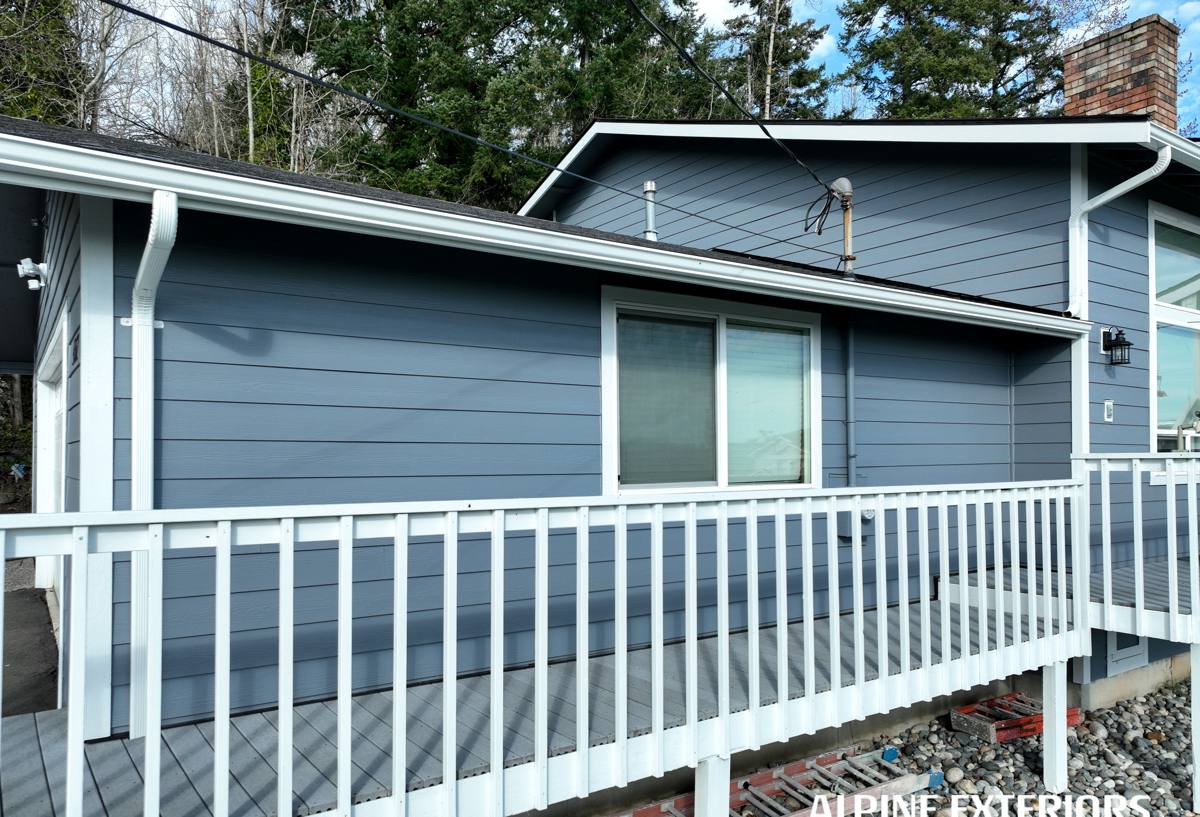
What Snohomish County Weather Actually Does to a Roof
Salt Air and Metal Components
Flashing, fasteners, gutters, and vent caps are usually metal, and metal near the water corrodes faster than it does a few miles inland. Once flashing starts to pit or rust through, it stops doing its job of directing water away from vulnerable points — valleys, chimneys, skylights, and wall intersections. A repair that reuses failing flashing instead of replacing it is a repair that will likely need to be redone within a year or two.
Driving Rain
Everett gets plenty of straight-down rain, but storms here also push rain sideways and upward under roof edges. Standard shingle overlap handles vertical rain fine. It's the wind-driven kind that finds gaps in underlayment, worn boots around pipe penetrations, and lifted shingle tabs. Repairs in this area need to assume wind-driven water at some point, not just gravity-fed water.
Moss and Algae
Shade, moisture, and mild temperatures are exactly what moss wants, and this part of Washington delivers all three for months at a stretch. Moss doesn't just look bad — it holds water against the roof surface, works its way under shingle edges, and can lift granules and shingle tabs as it spreads. A repair that patches a leak but ignores an active moss colony nearby is treating the symptom, not the cause.
Signs Your Roof Needs Repair, Not a Full Tear-Off
Most homeowners call us because of a leak, a ceiling stain, or missing shingles after a windstorm. Here's what typically points to a repair being the right call rather than a full replacement:
- A leak traced to one specific area — a valley, chimney, skylight, or vent — rather than water intrusion across multiple parts of the roof
- Localized wind or storm damage: a section of missing or torn shingles, not widespread wear
- Flashing that has failed or was installed incorrectly, while surrounding shingles are still in good shape
- Moss buildup in specific low-sun areas without widespread granule loss
- A roof that's less than two-thirds through its expected lifespan, with damage limited to isolated spots
If instead we find widespread granule loss, soft or spongy decking in multiple areas, or a roof already near the end of its expected service life, we'll say so plainly. A repair in that situation is a short-term fix, and we'd rather you know that up front than pay for patchwork that needs redoing soon after.
Common Repair Scenarios We See Near Port Gardner
Valley Leaks
Roof valleys collect more water than any other part of the roof, and near the bay they also collect more wind-blown debris and moss. A valley repair usually means replacing the valley metal or membrane, not just re-sealing the shingles laid over it.
Chimney and Skylight Flashing
These are two of the most common leak points on any roof, and salt air accelerates flashing wear around both. Correcting these properly means new step and counter-flashing, not a bead of caulk over the old metal.
Vent Boot Failure
The rubber or plastic boots around plumbing vents break down with age and weather exposure. A cracked boot is a small, inexpensive repair if caught early — and an expensive interior repair if it's left to leak for a season or two.
Wind-Lifted Shingles at Eaves and Rakes
Edges and corners take the brunt of wind uplift during storms off the water. Repairs here often involve re-securing or replacing individual shingles and checking that the starter course and edge sealing are intact.
What a Correct Repair Actually Involves
Finding the Real Source of the Leak
Water rarely drips straight down from where it enters. It follows rafters, sheathing seams, and insulation before showing up on a ceiling, sometimes feet away from the actual entry point. A repair that starts with patching the visible stain instead of tracing the path backward to the true failure point is a repair that doesn't hold.
Flashing First
Because of the salt air and driving rain here, flashing gets most of our attention. That means checking step flashing along walls and chimneys, counter-flashing, valley metal, and vent boots. Corroded or undersized flashing gets replaced, not caulked over — caulk is a stopgap, not a repair.
Matching the Existing Roof
Shingle repairs should match the existing roofing in color and profile, and where possible, manufacturer. A patch that's an obvious mismatch isn't just a cosmetic issue — a poor match can also mean a poor seal at the transition. We source materials as close to the original as the manufacturer's current lineup allows, and we'll tell you honestly if an exact match isn't available anymore.
Dealing With Moss the Right Way
Moss removal on an active repair isn't optional — it's part of doing the job right. That means physically removing growth without gouging the shingle surface, treating the area to slow regrowth, and, where it makes sense, installing zinc or copper strips near the ridge so rain carries a mild anti-moss treatment down the roof over time. This won't stop moss forever in a climate like ours, but it buys years, not months.
Our Roof Repair Process
- Inspection and diagnosis. We get on the roof, and in the attic if needed, to trace the actual source of damage rather than just the symptom.
- Written scope and honest options. You get a clear explanation of what failed, what we recommend, and what it costs — including whether a repair is the right long-term answer at all.
- Repair. Flashing, decking, underlayment, and shingles are addressed in that order of priority, since a shingle repair over failing flashing or rotten decking won't last.
- Cleanup and check. We clear debris, old materials, and moss growth, and check nearby areas for other vulnerable spots while we're already up there.
Repair vs. Replacement: How We Help You Decide
Every roof reaches a point where continued repair stops making financial sense. Here's how we typically walk homeowners through that decision:
| Factor | Favors Repair | Favors Replacement |
|---|---|---|
| Age of roof | Well under expected lifespan for the material | Near or past manufacturer's expected lifespan |
| Damage location | Isolated to one area | Spread across multiple sections |
| Decking condition | Solid, no soft spots | Soft or rotted in more than one place |
| Granule loss | Minimal, localized | Widespread, shingles visibly balding |
| Moss and algae staining | Present but not structural | Combined with lifted shingles or trapped moisture |
| Repair history | First or second repair to this area | Third or more repair to the same general area |
None of these factors alone makes the call. We look at the whole picture and give you our honest read, not the answer that happens to be more profitable for us.
Why It Matters That We Already Work in This Neighborhood
A crew that regularly works roofs near the water in Everett already knows which flashing details tend to fail first in this climate, how fast moss comes back in the shadier, damp spots common around Port Gardner, and what wind-driven rain actually does to older roof edges over time. That's not something you learn from a manual — it comes from doing the work here, on this kind of housing stock, in this weather, repeatedly. It also means we're realistic about timing: roof repairs in Snohomish County go better when scheduled around drier weather windows rather than squeezed in during the wettest months, and a local crew can plan around that instead of guessing.
Keeping a Repair From Turning Into Another Repair
A few habits go a long way toward protecting the work after we've done it:
- Keep gutters clear so water isn't backing up under the roof edge, especially during heavy fall rain
- Trim back overhanging branches to reduce shade and debris buildup, both of which feed moss growth
- Have the roof looked at after any major windstorm, even if nothing looks obviously wrong from the ground
- Address small leaks quickly — a small, contained repair now is cheaper and simpler than the same leak after months of hidden water damage
If you're dealing with a leak, storm damage, or a stubborn moss problem on a roof near Port Gardner, we're happy to take a look and give you a straight answer about what it actually needs. There's no pressure and no obligation — just fill out the form below to schedule a free estimate.