 Everett
 Roof Repair Built for Eastmont's Weather, Not a Generic Climate
Eastmont sits close enough to the water and low enough in the Puget Sound weather pattern that its roofs age differently than roofs fifty miles inland. Homes here deal with salt-tinged air drifting off the Sound, long stretches of driving rain from fall through spring, and a moss season that can run eight months or longer if a roof gets enough shade. None of that is unique to any one street or subdivision in the neighborhood — it's the shared reality of roofing in this part of Snohomish County. A repair that doesn't account for it is a repair that fails again in a year or two.
This page is about roof repair specifically — patching, flashing fixes, leak chases, moss remediation, and section replacement — not a full tear-off. Most roofs that are otherwise sound don't need replacing; they need the right repair done correctly, with materials and technique matched to what this climate actually does to a roof over time.
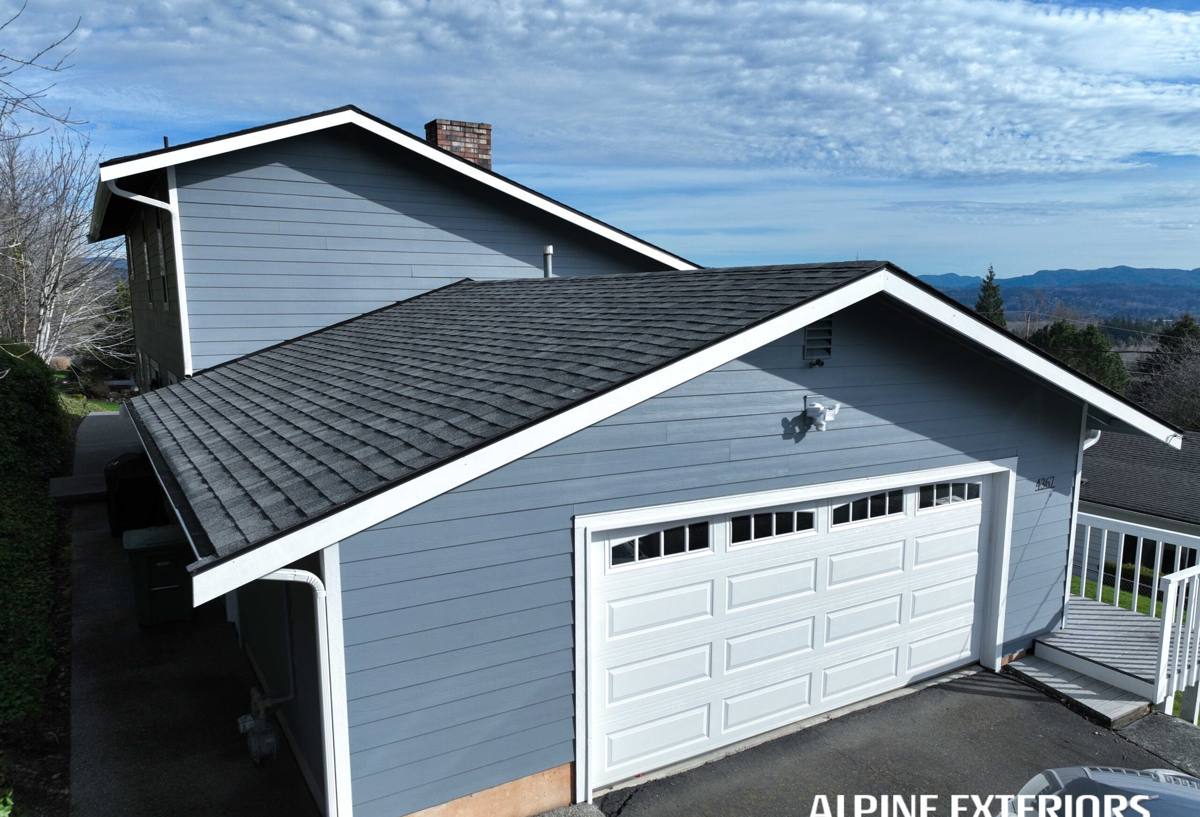
What Eastmont's Climate Does to a Roof Over Time
Salt Air and Moisture
Proximity to Puget Sound means airborne salt and near-constant humidity settle on roofing surfaces even on dry days. Over years, that moisture accelerates corrosion on exposed metal — flashing, fasteners, vent caps — and keeps organic growth (moss, algae, lichen) fed with the damp conditions it needs to spread.
Driving Rain
Wind-driven rain doesn't just fall straight down and run off; it gets pushed sideways under shingle laps, around poorly sealed flashing, and into any gap that a calm-weather rain would never find. A roof that's watertight in a light drizzle can still leak during a wind-driven storm off the Sound, which is why we always inspect flashing and laps with wind exposure in mind, not just water volume.
Moss Season
Shaded, north-facing, and heavily treed roof sections in and around Eastmont can stay damp for most of the year. Moss doesn't just sit on top of shingles — its root structure lifts granules and shingle edges, and the mat it forms holds water against the roof deck long after the surface looks dry. Left alone, it shortens the life of an otherwise good roof by years.
Repair or Replace? How We Tell the Difference
A lot of roofs get replaced years before they need to be, and a lot of others get patched long after a real repair should have happened. The honest answer depends on three things: how much of the roof is affected, whether the decking underneath is still sound, and how much life is left in the surrounding material.
- Localized damage — a cracked pipe boot, a lifted shingle section, a leaking valley — is almost always a repair, not a replacement.
- Widespread granule loss or curling across most of the roof usually means the material is at the end of its service life, even if it isn't leaking yet.
- Soft or spongy decking found during a repair changes the scope — that section needs to be opened up and replaced properly, not just re-covered.
- Age plus moss history matters: a 12-year-old roof with two prior moss treatments is a different conversation than a 5-year-old roof with one isolated leak.
We'll tell you plainly which category your roof falls into. If a repair is the right call, that's what we'll recommend — we don't upsell a replacement to a roof that doesn't need one.
Where Leaks and Damage Actually Start
Most roof failures in this area don't start in the open field of the roof — they start at a transition point.
Flashing
Chimney flashing, wall flashing, and step flashing along dormers are the most common leak sources we find. Metal flashing corrodes faster here because of the salt-air exposure, and old caulk-and-patch fixes tend to fail within a season or two once the sealant dries out.
Valleys and Penetrations
Roof valleys concentrate water flow, so any granule loss, cracking, or debris buildup there shows up as a leak faster than the same damage on a flat plane. Pipe boots, vent stacks, and skylight curbs are the other common failure points — the rubber or plastic components on older boots degrade with UV and moisture exposure and are one of the most frequent small repairs we make.
Moss-Damaged Sections
Where moss has been established for a while, we often find lifted shingle tabs, granule loss underneath the moss mat, and sometimes soft decking once we pull the material back. These sections need moss removal, deck inspection, and shingle repair together — treating only the visible moss without addressing what it did underneath doesn't solve the problem.
What a Correct Repair Involves
A roof repair done right isn't just matching shingles and nailing them down. It includes:
- A full inspection of the surrounding area, not just the reported leak spot — water travels before it shows up as a stain
- Removal of damaged material down to sound decking, and replacement of any decking that's soft or delaminated
- Proper flashing repair or replacement using corrosion-resistant metal suited to coastal moisture exposure
- Underlayment repair where the water barrier itself has been compromised, not just the shingles above it
- Matching shingle color and profile as closely as possible so the repair doesn't stand out
- Moss and debris removal from the repaired area and adjacent sections that feed water back into it
- Checking attic ventilation near the repair — poor airflow is often what let moisture linger long enough to cause damage in the first place
Material Considerations for This Climate
| Material | Moss/Moisture Behavior | Salt-Air Durability | Repair Notes |
|---|---|---|---|
| Asphalt composition shingle | Prone to moss if shaded; granule loss accelerates with sustained damp | Good with proper flashing; most common in the area | Easiest to color-match for patch repairs |
| Cedar shake | Higher moss/moisture risk without regular maintenance | Needs more frequent upkeep near the water | Repairs require experience to blend properly |
| Metal roofing | Sheds moss risk well on steep slopes | Coating and fastener quality matter more than the panel itself | Fastener and seam repairs need matched materials to avoid galvanic corrosion |
| Flashing metal (aluminum vs. galvanized) | Not moss-relevant | Aluminum resists salt corrosion better long-term | We match flashing metal to what's already on the roof when possible |
None of these materials is "wrong" for this climate — each has trade-offs in maintenance, cost, and appearance. Our job is to repair what's already on your roof correctly, and to tell you honestly if the existing material is fighting a losing battle against moss or moisture in a specific spot.
Our Repair Process
1. Inspection First
We walk the roof (or use a camera on steeper pitches) and check the attic from inside when accessible. Leaks rarely show up directly above the stain on your ceiling — water follows the deck and rafters before it drips, so we trace it back to the actual entry point.
2. A Clear, Written Scope
Before any work starts, you get a plain description of what's damaged, what we're repairing, and what it involves — no vague line items. If we find soft decking or additional damage once we open the area, we stop and tell you before proceeding.
3. The Repair
We remove damaged material, replace decking where needed, repair or replace flashing, install matched shingles or panels, and reseal properly. Moss and debris are cleared from the work area and, when it's contributing to the problem, from adjacent sections.
4. Cleanup and Walkthrough
We haul away old material and debris and walk the repair with you so you can see what was done and why. If we noticed anything else worth watching — an aging vent boot elsewhere, a thin spot in the moss barrier — we'll tell you, even if it's not part of this job.
Cost Factors for Roof Repair in Eastmont
Every roof and every leak is different, so we don't quote sight-unseen. What generally moves the price on a repair:
| Factor | Why It Matters |
|---|---|
| Size of the damaged area | A single valley repair costs less than a multi-section moss remediation and re-shingle |
| Decking condition | Soft or rotted decking found underneath adds material and labor beyond the surface repair |
| Roof pitch and access | Steep or hard-to-access roofs take longer and require more safety setup |
| Flashing scope | Chimney or wall flashing replacement is more involved than a simple shingle patch |
| Material match | Older or discontinued shingle lines can be harder to match, sometimes requiring a slightly larger repair area for a clean blend |
| Moss extent | Established moss with root penetration takes more time to remove properly than a light surface coating |
Why a Crew That Already Works This Area Matters
A roofer who works Eastmont and the surrounding Everett neighborhoods regularly has already seen how the local combination of salt air, rain exposure, and tree cover plays out on roofs like yours. That's not a marketing point — it changes what we look for. We know which flashing details tend to fail first in this kind of exposure, which shaded rooflines need moss attention every year versus every few, and how wind-driven rain off the Sound behaves differently than a straight-down storm.
It also means we're not guessing at material availability or code requirements for Snohomish County — we're working with what's already standard practice here, so your repair holds up the way it's supposed to.
Simple Maintenance That Extends a Repair's Life
A good repair lasts longer with a little upkeep. A few things worth doing on your own between professional visits:
- Clear leaves and debris from valleys and gutters each fall, before the heavy rain season sets in
- Keep an eye on shaded or north-facing roof sections for early moss growth — catching it early is far cheaper than removing an established mat
- Trim back overhanging branches where practical to reduce shade and debris buildup on the roof
- Check attic ventilation isn't blocked by insulation, which helps the roof deck dry out between rain events
- Note any interior ceiling stains right away and have them checked — small leaks are far easier to fix than the damage they cause after months of ignoring them
If you're noticing a leak, moss buildup, or damaged shingles on your Eastmont home, we're happy to take a look and give you a straight answer on what it needs. Fill out the form below for a free, no-pressure estimate — no obligation, just an honest assessment from a crew that knows this neighborhood's roofs.