 Everett
 Roofing in a Climate That Never Really Dries Out
Lake Stevens homes deal with a specific kind of weather stress. Moist marine air moves inland off Puget Sound for most of the year, driving rain comes in sideways during winter storms, and shaded, tree-lined lots hold onto moisture long after a storm has passed. That combination is exactly what shortens a roof's life here compared to drier parts of the country. It's not one dramatic event that wears out a Lake Stevens roof — it's months of low-grade saturation, freeze-thaw cycling, and moss working its way under shingle tabs.
A roof replacement done right for this area isn't just about swapping old shingles for new ones. It's about building a system — decking, underlayment, flashing, ventilation, and the roofing material itself — that's matched to Snohomish County's specific conditions. That's the standard we hold every Lake Stevens roof to.
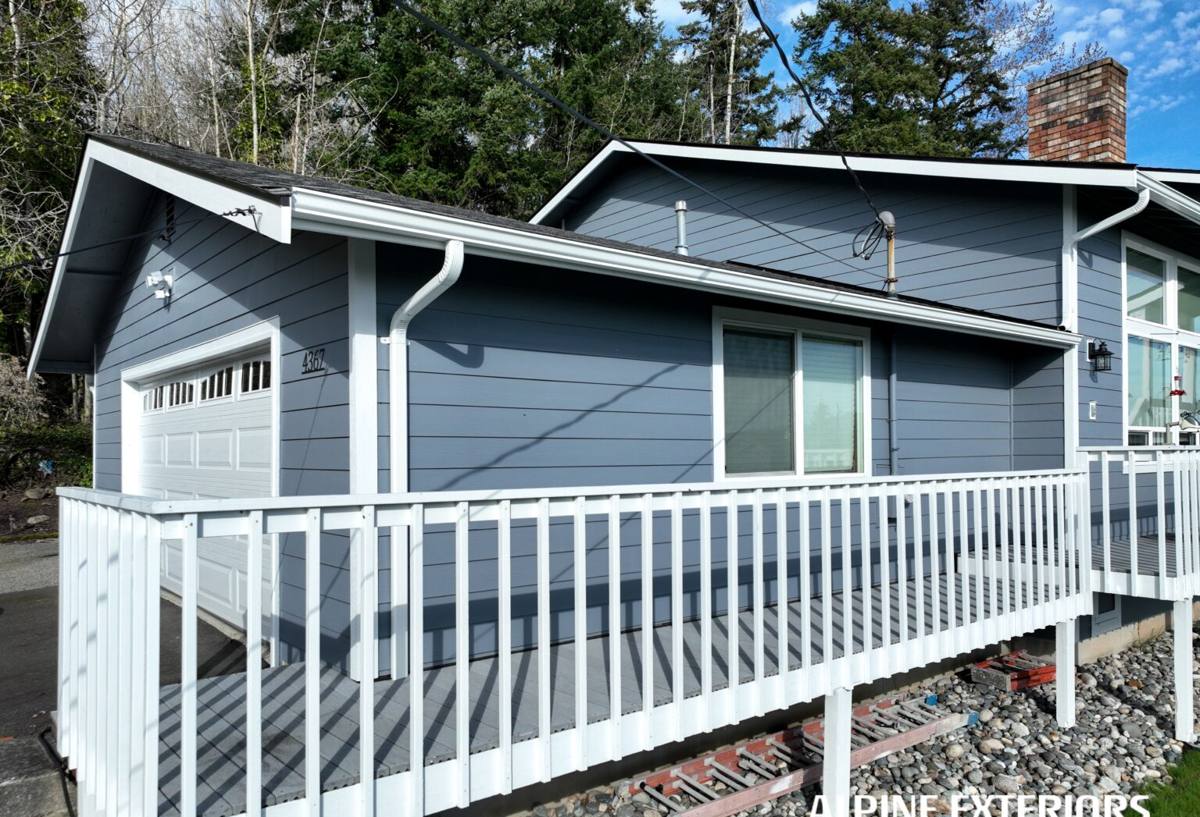
How to Tell a Roof Needs Replacing, Not Patching
Not every roofing problem calls for a full replacement, and we won't tell you it does. But there's a point where repairs stop making financial sense and start just delaying the inevitable at your expense. Here's what tips a roof from "repair" into "replace" territory:
- Granule loss heavy enough that you're finding grit in gutters and downspouts every time it rains
- Shingles that are curling, cupping, or cracking across multiple sections of the roof, not just one spot
- Soft or spongy decking felt underfoot in the attic, which usually means water has been getting through for a while
- Moss that keeps coming back within a season or two of cleaning, even after treatment
- Daylight visible through the roof deck from inside the attic
- A roof past 20-25 years old (for standard asphalt) that's never had a full tear-off
- Recurring leaks around the same penetration — a sign the flashing system, not just the shingles, has failed
If your roof shows one or two of these, a targeted repair may still be the right call. If it shows several, replacement is usually the more honest recommendation — and we'll tell you that directly rather than stringing out repairs that won't hold.
What Correct Roof Replacement Actually Involves
Full Tear-Off, Not a Layover
We remove the existing roofing down to the deck rather than installing new shingles over old ones. Layering over an existing roof traps moisture, hides deck damage, and voids most manufacturer warranties. It also means we never actually see the condition of the plywood or OSB underneath — and in a climate as wet as this one, that's exactly the layer you need to inspect.
Deck Inspection and Repair
Once the old roofing is off, we check the deck for soft spots, delamination, and water staining. Any section that's compromised gets replaced before anything new goes down. Skipping this step is one of the most common shortcuts in the industry, and it's the reason some "new" roofs start leaking again within a few years — the new material was installed over a deck that was already failing.
Underlayment Built for Wet Climates
In a region with this much sustained moisture, we don't treat underlayment as an afterthought. Synthetic underlayment paired with self-adhered ice-and-water membrane at eaves, valleys, and roof penetrations gives the deck a real second line of defense if wind-driven rain ever gets past the primary roofing material.
Flashing Done Properly
Most roof leaks in this area trace back to flashing, not the field shingles themselves. Chimneys, skylights, sidewalls, and valleys all need flashing that's correctly lapped and sealed — not just caulked over old metal. We replace flashing as part of a full roof replacement rather than reusing what's there.
Ventilation That Matches the Attic
Proper intake and exhaust ventilation keeps the attic close to outdoor temperature, which reduces condensation, helps prevent ice damming during cold snaps, and slows the moss and algae growth that thrives in warm, damp attic spaces feeding into a shaded roof. We size and balance ventilation to the specific attic, not a one-size-fits-all vent count.
Choosing a Roofing Material for Snohomish County Conditions
There's no single "best" roofing material — there are trade-offs, and the right choice depends on your home, your budget, and how much long-term maintenance you want to take on. Here's how the common options stack up for a climate with heavy rain, moss pressure, and shaded lots:
| Material | Moisture & Moss Performance | Maintenance | Typical Lifespan |
|---|---|---|---|
| Architectural asphalt shingle | Good with proper ventilation and zinc/copper strips; moss-resistant granule options available | Low to moderate; periodic moss treatment recommended | 25-30 years |
| Standing seam metal | Excellent; sheds water and moss has little to grip onto on smooth panels | Low | 40-60 years |
| Cedar shake | Requires diligent upkeep in a climate this wet; moss and moisture retention are real concerns without regular maintenance | High | 20-30 years with upkeep |
| Synthetic/composite shingle | Good; engineered to resist moisture absorption | Low | 30-50 years |
We're straightforward with homeowners about cedar shake specifically: it can look great, but in a climate with this much sustained moisture and shade, it demands a maintenance commitment that a lot of homeowners underestimate going in. That's not a knock on the material — it's a fact about upkeep versus reward that we think you deserve to hear before you commit to it.
Moss: The Recurring Problem for Lake Stevens Roofs
Moss isn't just cosmetic. As it spreads across a roof, it holds moisture against the shingle surface, lifts tabs as it grows, and creates a foothold for water to work underneath the roofing material. Shaded, tree-covered lots — common around Lake Stevens — are especially prone to it because those sections of roof rarely get enough direct sun to dry out fully between rain events.
A new roof won't be moss-proof forever, but there are steps that meaningfully slow it down:
- Zinc or copper control strips installed near the ridge, which release trace metal ions that inhibit moss growth as rain washes over them
- Keeping overhanging branches trimmed back to let more light and airflow reach shaded roof sections
- Annual or biannual gentle roof cleaning — soft washing, not pressure washing, which can strip granules and shorten shingle life
- Clear gutters and downspouts so water isn't sitting against the roof edge
Our Roof Replacement Process
- On-site inspection: We walk the roof and attic, document current condition, and identify any deck or ventilation issues before quoting anything.
- Written estimate: A clear scope of work and price — no vague allowances or surprise add-ons buried in fine print.
- Material selection: We walk through the options that fit your home, budget, and how much maintenance you want going forward.
- Tear-off and deck inspection: Full removal of old roofing, with any compromised decking replaced before installation begins.
- Underlayment, flashing, and ventilation installation: The parts of the job that don't show but determine whether the roof actually performs.
- Final installation and cleanup: New roofing installed to manufacturer specification, site cleaned of debris and nails using a magnetic sweep.
- Walkthrough: We review the finished roof with you before calling the job complete.
What Affects the Cost of a Roof Replacement
Every roof is different, so we won't quote a number without seeing the job — but these are the factors that most commonly move the price up or down:
| Factor | Why It Matters |
|---|---|
| Roof size and pitch | Steeper roofs take longer to work safely and require more material overlap |
| Number of layers to remove | Tearing off multiple layers of old roofing adds labor and disposal cost |
| Deck condition | Any plywood or OSB replacement is priced separately from the roofing material itself |
| Roof complexity | Valleys, dormers, skylights, and multiple penetrations each add flashing work |
| Material choice | Standard asphalt, architectural shingle, metal, and specialty materials carry different price points |
| Ventilation upgrades | Adding or rebalancing intake/exhaust vents is often worth the modest added cost |
Why It Matters to Hire a Crew That Already Works Lake Stevens
A roofing crew that regularly works Lake Stevens and the surrounding Everett area already knows which details matter here: how much ventilation a shaded attic actually needs, where ice-and-water membrane earns its keep, and which roof sections tend to hold onto moss year after year. That's different from general roofing knowledge — it's familiarity with how this specific climate treats a roof over time.
It also means accountability. A local crew has a reputation in the community to protect and isn't disappearing after the invoice clears. If a question comes up two years after installation, you're calling a business that's still working in your neighborhood, not chasing down a crew that worked here for one season and moved on.
Simple Maintenance That Extends Your New Roof's Life
- Clean gutters at least twice a year, more often if you're under conifers
- Trim back branches that shade or overhang the roof
- Have moss treated at the first sign of growth rather than waiting for it to spread
- Check attic ventilation isn't blocked by insulation or storage
- Schedule a roof inspection after any major windstorm
- Address small flashing or sealant issues promptly instead of letting them become deck damage
A roof replacement is a significant investment, and it's one you shouldn't have to think about again for decades if it's done correctly the first time. If your Lake Stevens home is due for a new roof, or you're not sure whether repair or replacement makes more sense, we're happy to take a look and give you a straight answer. Use the form below to request a free, no-pressure estimate.