 Everett
 Siding Repair Built for South Everett's Weather
South Everett homes take a beating that homeowners further inland rarely have to think about. Between the salt-laden air moving in off Puget Sound and Possession Sound, the driving rain that comes sideways during winter storms, and a moss season that can stretch from fall clear through spring, exterior siding here is working overtime just to keep water out of the wall. When siding starts to fail in this neighborhood, it's rarely one single cause — it's usually a combination of moisture, organic growth, and time that finally catches up with a weak seam, a cracked panel, or a spot where the original installation cut a corner.
Siding repair done right in South Everett isn't about slapping a patch over a stain and calling it done. It's about understanding why that spot failed in the first place, fixing the actual cause, and making sure the repair holds up through the next twenty winters, not just the next inspection.
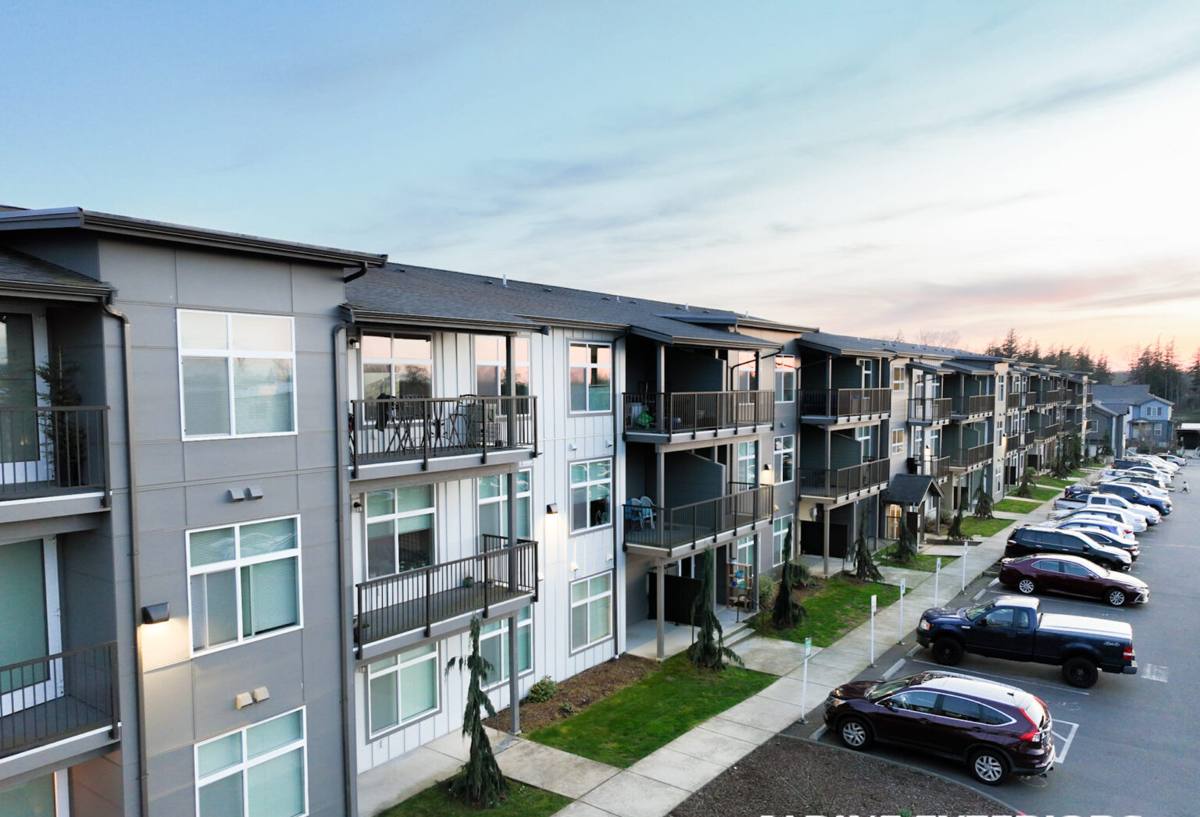
Signs Your South Everett Home Needs Siding Repair
Most siding problems give warning signs well before they become expensive. Snohomish County's wet, mild climate means damage often shows up as staining and softness before it shows up as a hole — which is actually good news, because it means there's usually time to repair rather than replace if you catch it early.
- Panels that feel soft, spongy, or flex when pressed — a sign moisture has gotten behind the surface
- Paint that's bubbling, peeling, or flaking in patches rather than evenly across the wall
- Visible cracks, splits, or chips, especially near corners, window trim, and low areas near grade
- Persistent moss or dark algae staining that keeps coming back after cleaning
- Gaps opening up at seams, joints, or where siding meets trim and flashing
- Warping, bowing, or panels pulling away from the wall
- Musty smells or visible staining on interior walls near exterior siding
- A noticeable jump in heating bills, which can point to moisture-compromised insulation behind the siding
If you're seeing more than one of these, it's worth having someone look before winter's rain and next spring's moss growth make the problem worse.
What's Really Damaging Your Siding: Salt Air, Rain, and Moss
Salt Air and Marine Moisture
Everett's proximity to Puget Sound means the air carries salt and moisture that settle on exterior surfaces year-round. Over time, that salt exposure accelerates the breakdown of paint films and caulking, and it can speed corrosion on any exposed fasteners or metal flashing. Siding that isn't built or finished to handle marine-influenced climates tends to show wear faster here than it would forty miles inland.
Driving Rain and Wind-Driven Wet
South Everett doesn't just get rain — it gets rain pushed sideways by wind off the Sound, which means water finds its way into seams, laps, and trim joints that would stay dry in a calmer climate. This is where installation quality matters as much as the material itself: proper overlaps, flashing, and caulking are what keep wind-driven rain from working its way behind the siding and into the wall assembly.
Moss, Algae and the Long Wet Season
Western Washington's combination of shade, moisture, and mild temperatures creates ideal conditions for moss and algae to take hold on exterior surfaces, particularly on north-facing walls and areas that stay damp longer after a storm. Left alone, moss holds moisture directly against the siding surface, which speeds up paint failure and, on the wrong materials, can contribute to rot or delamination underneath.
Repair or Replace? How We Make the Call
Not every siding problem in South Everett means a full re-side. Isolated damage — a cracked panel from a fallen branch, a section with failed caulking, a spot where flashing was installed wrong — can usually be repaired properly without touching the rest of the house. But widespread moisture damage, systemic installation defects, or siding that's simply reached the end of its service life is a different conversation.
| Factor | Points Toward Repair | Points Toward Replacement |
|---|---|---|
| Extent of damage | Isolated to one or two areas | Spread across multiple walls or elevations |
| Cause of failure | Impact damage, a single failed seam or flashing point | Systemic moisture intrusion behind large sections |
| Age of existing siding | Still well within its expected service life | Approaching or past the end of its useful life |
| Condition behind the surface | Sheathing and framing are dry and sound | Rot, soft sheathing, or mold found during inspection |
| Material match | Matching material and profile are readily available | Original product is discontinued or a poor long-term fit for the climate |
We'll always give you a straight answer on which category your home falls into — including telling you when a repair is genuinely the right call and a full replacement isn't necessary.
What a Correct Siding Repair Actually Involves
A repair that's done right takes more steps than most homeowners expect, and skipping any of them is how "fixed" siding fails again within a year or two.
- Inspect beyond the visible damage. We check the area around the failure point, not just the spot that's obviously cracked or stained, since moisture tends to travel.
- Check what's behind the siding. Where damage suggests water intrusion, we look at the sheathing and framing underneath before closing anything back up.
- Address the cause, not just the symptom. If bad flashing or a poor seam let water in, that gets corrected as part of the repair — otherwise the same spot fails again.
- Replace damaged material properly. Cut-out sections are replaced with correctly sized, properly fastened material — not filled or caulked over.
- Match the finish. Repaired sections are matched in profile, texture, and color as closely as possible so the repair doesn't stand out.
- Reseal and re-flash correctly. Proper flashing and sealant at the repair boundary are what keep South Everett's driving rain from finding the same weak point twice.
Why We Patch and Rebuild With James Hardie Fiber Cement
We're a James Hardie-only siding contractor, and that standard applies to repair work too. When a repair calls for new material — whether that's a full panel replacement or rebuilding a damaged section — we use James Hardie fiber cement rather than mixing in vinyl, LP SmartSide, or other wood-based products, even for a small patch.
There are practical reasons for this beyond consistency. Hardie's fiber cement is engineered to resist the kind of moisture cycling that drives siding failure in Snohomish County's climate, and it's non-combustible, which matters for long-term durability regardless of what it's replacing. Hardie's ColorPlus factory finish also gives us a far better shot at matching existing color than a field-applied paint match, since the finish is baked on under controlled conditions rather than brushed on outdoors. When a repair is done with material that behaves differently than what's around it — different expansion rates, different moisture response, different paint adhesion — that mismatch is often where the next failure starts.
If your existing siding is a different material entirely, we'll be upfront that we can't service or match that product long-term, and we'll walk you through what replacing that section — or eventually the whole exterior — with Hardie would look like.
Our South Everett Repair Process
- On-site inspection. We look at the damage in person, check moisture levels, and identify the actual cause of the failure.
- Honest scope and estimate. You get a clear explanation of what needs to happen, what it costs, and why — including if repair isn't the right long-term answer.
- Repair work. Damaged material is removed, anything compromised underneath is addressed, and new material is installed and flashed correctly.
- Finish and cleanup. Repaired areas are finished to match, the site is cleaned up, and we walk the work with you before we consider it done.
Why Hire a Crew That Already Works This Neighborhood
South Everett's exposure to Puget Sound weather isn't uniform across every property — some homes sit more exposed to wind-driven rain, others deal with more shade and moss because of tree cover or lot orientation. A crew that regularly works this specific area has already seen the failure patterns that come with that variation and knows what to check first. That local familiarity, combined with never having to guess whether a product will hold up here, is what separates a repair that lasts from one that's just cosmetic.
Get a Straight Answer, No Pressure
If you're seeing staining, cracking, moss buildup, or soft spots on your South Everett home's siding, it's worth getting an honest look before the next storm season makes the problem bigger. Request a free estimate below — we'll tell you plainly whether you're looking at a repair or something more, with no pressure either way.