 Everett
 Windows Built for Glenhaven's Weather, Not Just the Showroom Floor
Glenhaven sits close enough to Puget Sound and the Snohomish River lowlands that its homes take a different kind of beating than houses further inland. Salt-laden air off the water, wind-driven rain that comes at windows sideways instead of straight down, and a wet season that stretches long enough to grow a healthy crop of moss on anything that stays damp — all of it works on window frames, seals, and sills year-round. A window that's rated fine for a dry climate can still fail here within a few years if it isn't installed with this specific exposure in mind.
We install windows for homes throughout Everett and Snohomish County, and Glenhaven jobs get the same attention every project does: correct flashing, correct sealant, and a install sequence that assumes the weather will test it. This page covers what that actually means for a Glenhaven home — what to watch for, what a correct job looks like, and how our process works from first look to final walkthrough.
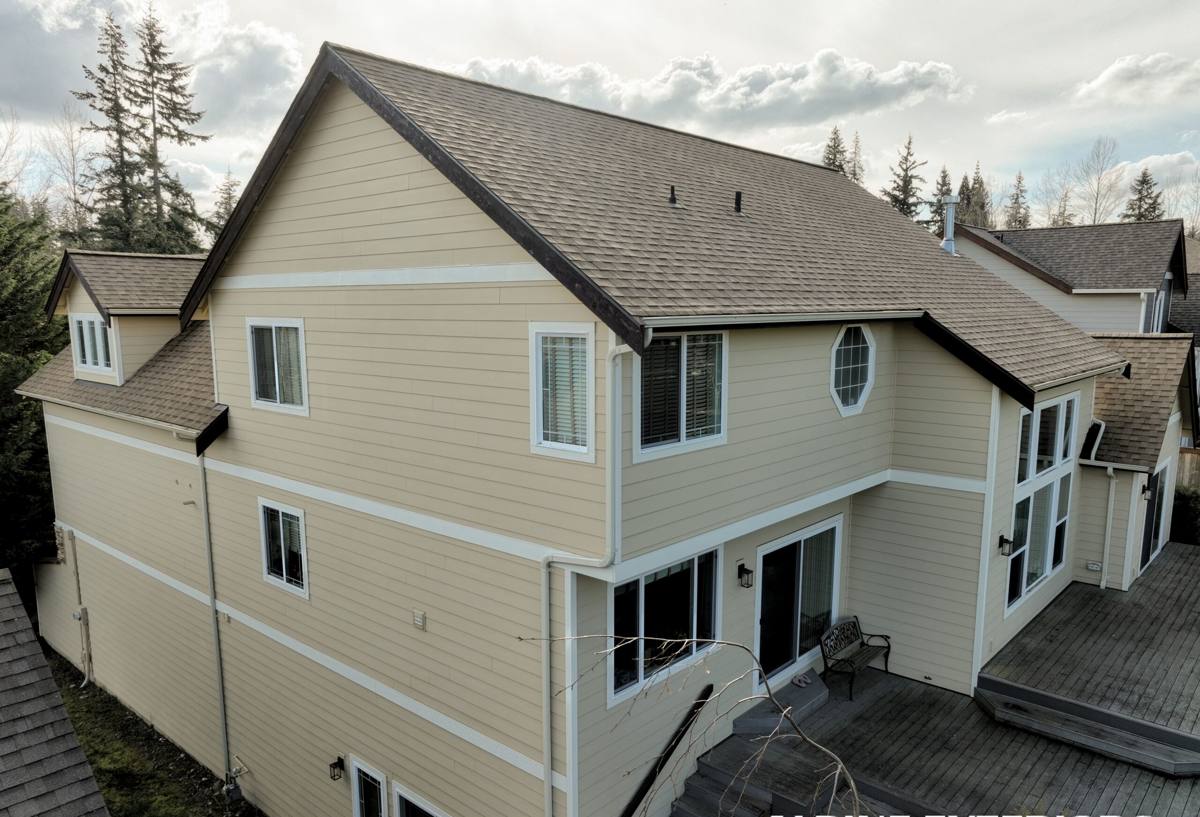
What Coastal Snohomish County Weather Does to a Window
Most window failures we find aren't the glass — they're the installation around it. Understanding what's working against your windows helps explain why the details matter so much here.
Salt Air and Corrosion
Homes closer to the water pick up airborne salt that settles on metal hardware, aluminum cladding, and fasteners. Over time it accelerates corrosion on anything that isn't properly rated or protected, which is why hardware choice and finish matter more here than they would fifty miles inland.
Driving Rain and Wind-Driven Moisture
Rain that hits a window straight-on is a different problem than rain pushed sideways by wind — and this area gets plenty of the second kind. Wind-driven rain finds any gap in flashing or sealant and pushes water into places gravity alone never would. A window that would perform fine in a calm climate can leak here if the flashing details aren't right.
Long Moss and Mildew Season
Shaded sills, north-facing walls, and anything that stays damp for extended stretches through fall and winter is a candidate for moss and mildew growth. On wood-framed windows especially, sustained moisture without a way to drain and dry leads to soft spots and rot around the frame and sill, often before it's visible from inside the house.
Wide Temperature and Humidity Swings
Even though Snohomish County doesn't see extreme temperature swings, the daily humidity shifts between damp mornings and drier afternoons cause repeated expansion and contraction in frame materials and seals. Cheap or improperly installed seals fatigue faster under that repeated cycling.
Signs a Glenhaven Home's Windows Need Attention
- Fogging or a persistent haze between panes on double- or triple-glazed units — a sign the seal has failed
- Soft, spongy, or discolored wood at the sill or lower frame corners
- Visible gaps or cracked caulk between the window frame and siding
- Drafts you can feel near the frame even with the window fully closed and locked
- Moss or dark streaking building up on the sill or exterior trim that keeps coming back after cleaning
- Windows that are difficult to open, close, or lock — often a sign the frame has shifted or swollen
- Noticeably higher heating bills without another clear cause
Any one of these on its own isn't necessarily an emergency, but a few together usually mean the installation — not just the window unit — has reached the end of its useful service life.
What a Correct Window Installation Actually Involves
The window itself is often the easy part. What separates a window that lasts fifteen-plus years from one that leaks within two or three comes down to the details around it.
Removal and Opening Prep
Old windows and their surrounding trim come out carefully so we can inspect the rough opening underneath. This is where hidden rot, old failed flashing, or water staining usually turns up — and it needs to be dealt with before a new window ever goes in, not covered over.
Flashing and Weather Barrier Integration
Flashing is layered so that any water that does get past the window sheds down and out, never behind the siding or into the wall cavity. Given how much wind-driven rain this area sees, this step is non-negotiable — it's the single biggest factor in whether a window stays dry for the long haul.
Sealing and Insulation
The gap between the window frame and the rough opening gets sealed and insulated correctly — not overpacked with expanding foam, which can bow a frame out of square, and not left loose, which leaves a path for drafts and moisture.
Leveling, Shimming, and Fastening
A window that isn't level and square won't operate correctly and won't seal evenly over time. We shim and fasten to the frame manufacturer's specifications, not by eye.
Exterior Finish Work
Trim, caulking, and any siding tie-in gets finished so water sheds away from the window rather than pooling against it — an important detail anywhere in Snohomish County, and especially on homes exposed to salt air and sustained rain.
Our Installation Process
- On-site assessment — we look at your current windows, the condition of the openings, and any signs of past water intrusion before recommending anything.
- Product selection — we walk through frame material, glass package, and hardware options suited to your home's exposure and your budget, without pushing upgrades you don't need.
- Written estimate — a clear scope and price before any work begins, no surprise add-ons once we're on site.
- Opening prep and repair — any rot, old flashing failures, or damaged framing gets addressed as part of the job, not left for later.
- Installation — flashing, sealing, leveling, and fastening done to manufacturer spec and matched to local weather exposure.
- Exterior and interior finish — trim, caulking, and touch-up so the job looks finished, inside and out.
- Final walkthrough — we test operation, check seals, and confirm everything meets our standard before we call it done.
Comparing Window Frame Materials for This Climate
| Material | How It Handles Salt Air & Rain | Maintenance | General Notes |
|---|---|---|---|
| Vinyl | Doesn't corrode or rust; handles moisture well when installed correctly | Low — occasional cleaning | Common, budget-friendly choice for this climate |
| Fiberglass | Very stable in temperature and humidity swings; strong moisture resistance | Low | Higher upfront cost, long service life |
| Wood | Needs a reliable exterior clad or paint system to resist rot from sustained moisture | Higher — periodic repainting/sealing | Best when a durable exterior finish protects the core material |
| Aluminum | Can corrode in salt air over time unless properly finished; conducts cold | Moderate | We evaluate case by case; not always our first recommendation this close to the water |
We don't push any one material as the answer for every home. The right call depends on your home's exposure, your budget, and how much upkeep you want to take on — we'll walk through the honest trade-offs during your estimate rather than steering you toward the highest-margin option.
What Affects the Cost of a Window Installation Job
| Factor | Why It Matters |
|---|---|
| Number and size of windows | Larger openings and full-home replacements cost more than a single-window swap |
| Frame material and glass package | Fiberglass and upgraded low-E or triple-pane glass cost more than standard vinyl double-pane |
| Condition of the rough opening | Hidden rot or old flashing failures add repair scope before the new window goes in |
| Access and home height | Second-story or hard-to-reach windows take more time and equipment |
| Trim and siding tie-in | Matching existing trim profiles or siding adds finish work |
We'd rather give you an honest range during an on-site look than a number pulled out of the air over the phone — the condition of your current openings makes too much of a difference to guess accurately without seeing them.
Maintaining Your Windows After Installation
A correct installation is most of the battle, but a little seasonal upkeep goes a long way in this climate.
- Rinse salt residue and grime off frames and glass periodically, especially on sides of the house facing the water or prevailing wind
- Clear moss and debris from sills and tracks before it has a chance to hold moisture against the frame
- Check exterior caulking once a year and touch up any spots that have cracked or pulled away
- Make sure gutters and downspouts near windows are clear so water isn't sheeting down across the glass and frame
- Operate locks and hardware periodically through the year rather than leaving windows shut all winter — it keeps hardware from seizing
Why a Locally Experienced Crew Matters in Glenhaven
A window that's correctly installed for a dry inland climate isn't automatically correct for a home exposed to Puget Sound weather. Flashing details, sealant choices, and even hardware finishes need to account for salt air, sustained rain, and a moss season that runs longer here than in most of the country. A crew that already works Snohomish County homes regularly has seen what fails here and builds around it from the start, rather than learning it on your house.
We're not going anywhere after the job is done, either — if a question comes up down the road about how your windows are holding up, you're calling a local contractor who already knows your home, not a call center.
Get a Free, No-Pressure Estimate
If you're noticing drafts, fogged glass, soft spots at the sill, or windows that just don't operate like they used to, it's worth having a local set of eyes on them before winter rain sets in. Use the form below to request a free estimate — we'll take a look, tell you honestly what we find, and lay out your options without any pressure to upgrade beyond what your home actually needs.