 Everett
 Window Installation Built for North Everett's Weather
North Everett sits close enough to Port Gardner Bay and the Puget Sound waterfront that salt-laden air is a real factor in how windows age here, not just a talking point. Add Snohomish County's long wet season, driving rain off the Sound during winter storms, and the shade from mature trees that keeps moss going most of the year, and you have a climate that is genuinely harder on window frames, seals, and flashing than a lot of other parts of the country. A window that's a good fit for a dry inland climate isn't automatically a good fit here.
Window installation in this neighborhood isn't just about picking a product out of a catalog. It's about how that window gets set into the wall, sealed, and flashed so wind-driven rain doesn't find its way behind the trim, and how the frame material holds up to years of damp air and occasional salt exposure without cracking, swelling, or rotting.
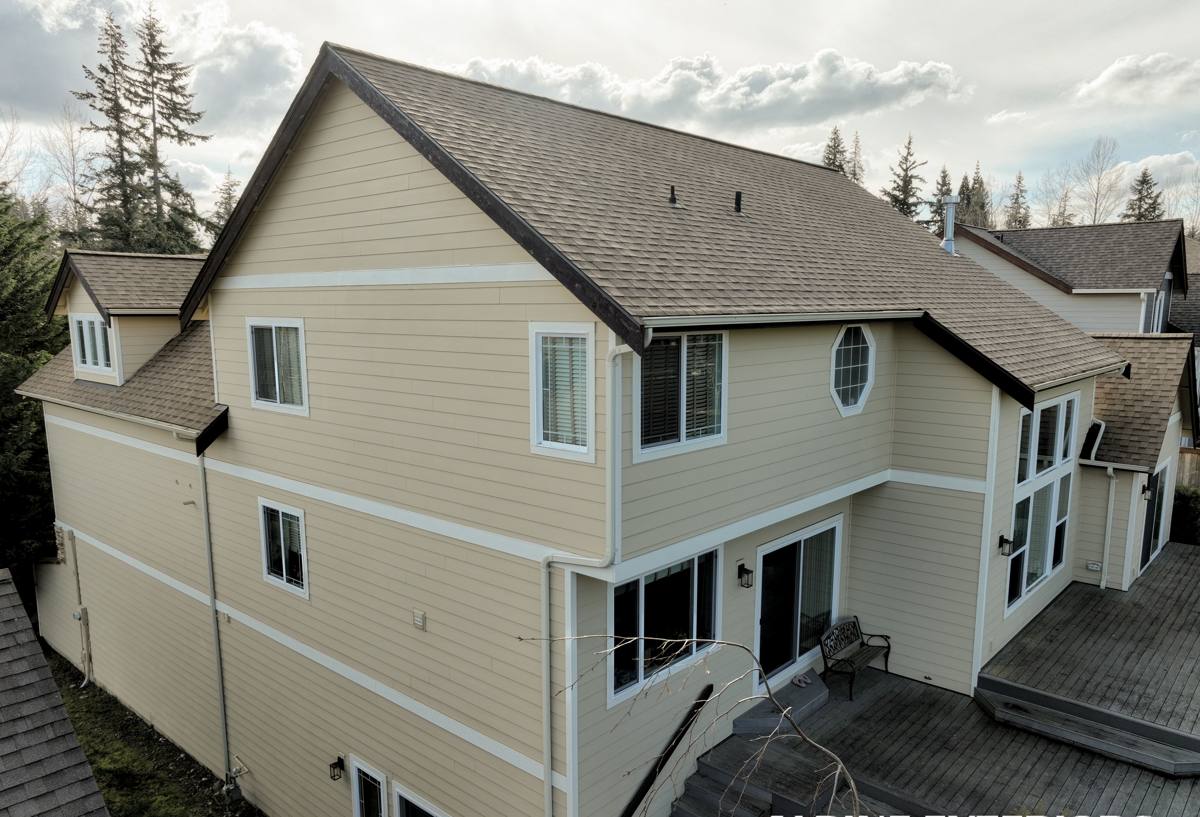
What North Everett Homes Are Up Against
Salt Air
Homes closer to the water deal with airborne salt that settles on exterior surfaces. Over years, this accelerates corrosion on unprotected metal hardware, hinges, and fasteners, and it can degrade certain finishes faster than expected. It's one reason we pay attention to the hardware specs on a window, not just the frame material.
Driving Rain
Storms coming off the Sound don't just fall straight down, they get pushed sideways into west- and southwest-facing walls. A window opening that isn't flashed correctly, or that relies on caulk alone to keep water out, will eventually leak. This shows up as water stains on interior trim, soft spots in the sill, or mold smell around the window months or years after installation.
Moss and Persistent Moisture
Shaded, damp conditions that let moss thrive on roofs and siding create the same conditions for wood trim and sills around windows. Wood that stays damp longer than it should is wood that eventually rots, especially at the bottom corners of a window opening where water naturally collects.
Signs a North Everett Home Needs Window Work
- Visible gaps, drafts, or cold spots near the window frame in winter
- Condensation building up between panes on double-pane windows (a sign the seal has failed)
- Wood trim or sills that feel soft, spongy, or show paint bubbling
- Windows that are difficult to open, close, or lock properly
- Visible staining on interior walls or trim below or beside a window
- Noticeably higher heating bills without another clear cause
- Frames or hardware showing corrosion, pitting, or chalky white residue
What Correct Window Installation Actually Involves
A window installation that holds up in this climate comes down to details that aren't visible once the trim goes back on.
Removal and Opening Prep
The old window comes out, and the opening gets inspected for rot, water damage, or structural issues before anything new goes in. This is the point where problems that have been hiding behind the old trim get found and fixed, rather than sealed back up.
Flashing and Water Management
Proper flashing directs any water that gets past the window back out, rather than letting it pool inside the wall cavity. This includes sill pan flashing at the bottom of the opening and integration with the house's weather-resistive barrier, so the window is part of a continuous drainage path, not an isolated patch.
Air Sealing and Insulation
The gap between the window frame and the rough opening gets sealed with the right materials (not just gap-filling foam sprayed in and forgotten) so the home stays draft-free and energy efficient without trapping moisture against the frame.
Level, Plumb, and Square
A window that isn't installed level and square will bind, leak, or wear out its seals prematurely. This is basic, but it's also the step most likely to get rushed on a fast job.
Exterior and Interior Trim
Trim gets sealed and finished to shed water on the exterior side and to give a clean, finished look on the interior side.
Choosing the Right Window Material for This Area
Not every window product is a good match for a marine climate with salt air and heavy seasonal rain. Here's how the common options compare for a North Everett home specifically.
| Material | How It Handles This Climate | Maintenance |
|---|---|---|
| Vinyl | Doesn't rot or corrode from salt air; handles moisture well; a solid, budget-friendly default for most homes here | Low — occasional cleaning |
| Fiberglass | Very stable in temperature swings and moisture, holds paint well if a custom color is wanted, strong long-term option | Low |
| Wood-clad | Attractive interior wood look with an exterior shell, but the cladding and seals need to be genuinely sound to keep moisture from reaching the wood core over time | Moderate — depends on cladding integrity |
| Aluminum | Prone to corrosion pitting near salt air over time unless properly coated; also conducts cold, which shows up as condensation in our wet winters | Moderate to high |
We install windows based on what actually performs well in this climate rather than pushing one brand. For most North Everett homes, vinyl or fiberglass windows with quality low-E glass strike the right balance of durability, energy performance, and upfront cost. Where a homeowner wants a specific look or has an older wood-frame home they're trying to match, we'll walk through the real trade-offs in maintenance and moisture behavior rather than just recommending the most expensive option.
Energy Performance for a Wet, Mild Climate
Snohomish County's climate doesn't hit the temperature extremes of other regions, but the combination of persistent damp cold and driving rain means a window's U-factor (how well it resists heat loss) and its air infiltration rating both matter for comfort and heating costs. Double-pane windows with low-E coatings and insulated frames are the standard for good reason here — they cut down on drafts, reduce condensation on the interior glass, and keep heating bills more predictable through our long wet season.
Our Installation Process
- On-site assessment of existing windows, openings, and any visible rot or moisture damage
- Straightforward walkthrough of material and glass options that fit the home and budget
- Measurement and ordering, with lead times communicated up front
- Removal of old windows and inspection/repair of the opening before the new window goes in
- Installation with proper flashing, air sealing, and leveling
- Interior and exterior trim finish work
- Final walkthrough to confirm operation, seals, and cleanup
What Window Installation Typically Costs
Pricing depends on window size, material, glass package, and how much opening repair is needed once the old window comes out. Rather than quoting a single number that won't fit every home, here are the main factors that move the price up or down.
| Cost Factor | Why It Matters |
|---|---|
| Window material | Vinyl is generally the most affordable; fiberglass and wood-clad cost more upfront |
| Number of windows | Doing multiple windows in one project usually costs less per window than one-off replacements |
| Opening condition | Rot or structural repair found behind an old window adds labor and material |
| Glass package | Upgraded low-E coatings or gas fills add cost but improve energy performance |
| Window size and style | Larger windows, bay windows, or custom shapes cost more than standard sizes |
We give straightforward, itemized estimates so a homeowner can see exactly what's driving the cost, rather than a single lump-sum number.
Why Hiring a Crew That Knows North Everett Matters
A crew that regularly works this neighborhood already understands the local building patterns, the moisture challenges tied to this stretch of Snohomish County, and what tends to go wrong on window installs near the water. That familiarity shows up in small decisions, like how much attention goes into sill pan flashing, or recognizing early signs of moss-related rot in trim before it becomes a bigger repair. It also means realistic expectations on timelines and weather windows, since scheduling exterior work around our rainy season takes local experience.
Protecting Your Investment After Installation
New windows are only as good as the upkeep behind them. A few habits go a long way in this climate:
- Rinse exterior frames periodically to remove salt residue, especially on homes closer to the water
- Keep an eye on caulking and exterior trim seals, and touch them up before gaps widen
- Clear debris and moss buildup away from sills and trim so moisture doesn't sit against the frame
- Check weep holes on vinyl and fiberglass frames to make sure they're not blocked, since these let condensation and rain drain out
- Address any soft trim or staining early rather than waiting for it to spread
If your windows are drafty, fogging between the panes, or showing signs of water damage, we're happy to take a look and give you a straightforward, no-pressure estimate for window installation at your North Everett home. Use the form below to get started.