 Everett
 Windows Built for Life Near Port Gardner Bay
Port Gardner sits close enough to the water that its homes take a different kind of weathering than houses further inland in Snohomish County. Salt-laden air off the bay works on metal hardware and exposed fasteners year-round, driving rain off Puget Sound finds every gap in an aging window frame, and the long gray moss season keeps north- and west-facing walls damp for months at a time. None of that is dramatic on its own, but it adds up fast in older wood and aluminum-frame windows, and it's why window replacement in this neighborhood needs to be approached a little differently than a standard job across town.
We work on homes throughout Everett and Snohomish County, but Port Gardner's proximity to the water, its mix of older housing stock, and its exposure to wind-driven weather off the bay make it worth its own conversation. This page covers what actually matters when you're replacing windows in this specific area — not generic window-buying advice.
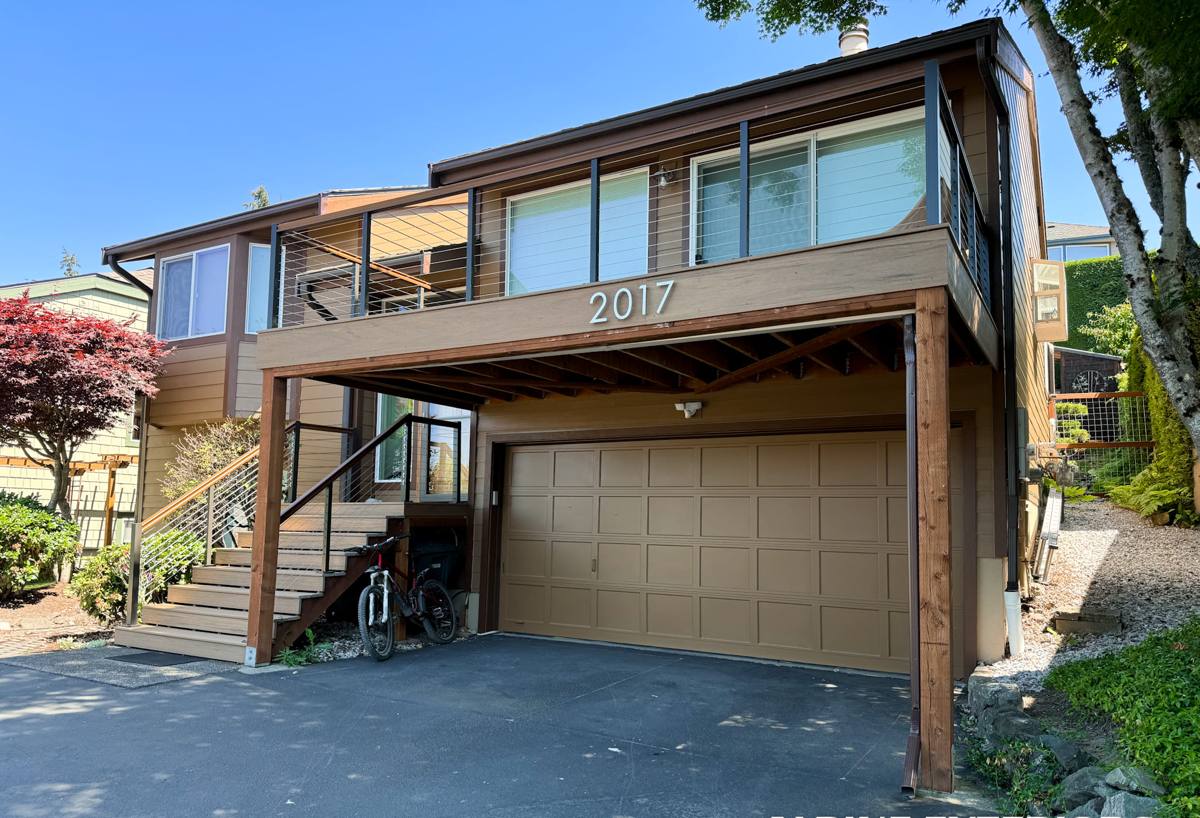
What Port Gardner's Climate Actually Does to Windows
Salt Air and Hardware
Homes within a mile or two of Port Gardner Bay get a steady, low-level dose of salt in the air. It's not corrosive in the dramatic sense, but over years it accelerates corrosion on window hardware — hinges, locks, balance mechanisms, and screen frames — especially on anything with bare or lower-grade aluminum or steel components. This is one reason we pay close attention to hardware quality and finish, not just glass and frame, when we're speccing windows for homes in this part of Everett.
Driving Rain and Wind-Driven Moisture
Storms coming off the Sound don't just drop rain straight down — wind pushes it sideways into window assemblies, testing flashing, sill pans, and seals in a way that calmer inland weather doesn't. A window that performs fine on a still day can still leak under wind-driven rain if it wasn't flashed and sealed correctly at install. This is almost always an installation issue, not a product defect, which is why we treat flashing and sealing as the most important part of the job, not an afterthought.
The Long Moss Season
Western Washington's moss season runs long, and Port Gardner's damp, often shaded lots keep humidity around window frames elevated for much of the year. On wood-frame windows, that sustained moisture is what eventually leads to soft spots, paint failure, and rot at the sill and lower corners. Vinyl and fiberglass frames don't rot, but moss and algae can still build up in tracks and weep holes if they're not designed and installed to shed water properly.
Signs a Port Gardner Home Needs Window Replacement
- Visible gaps, soft wood, or dark staining at the bottom corners or sill of the window frame
- Condensation building up between the panes of a double-pane window (a sign the seal has failed)
- Windows that are difficult to open, close, or lock — often a sign of corroded hardware or a warped frame
- A noticeable draft or cold spot near the window even when it's fully closed
- Peeling or bubbling paint on wood sills and frames, especially on north- or west-facing walls
- Musty smell or visible mold/mildew around the window casing
- Rising heating bills without another clear explanation
What a Correct Installation Involves
Given the exposure Port Gardner homes deal with, the installation details matter more than the brand name on the window. A well-built window installed poorly will leak in a wind-driven rainstorm; a mid-range window installed correctly will hold up for decades. Here's what we consider non-negotiable:
Sill Pan Flashing
A sloped sill pan under the window gives any water that does get past the frame a way to drain back out instead of sitting against wood framing. This is one of the most commonly skipped steps in budget installs, and it's one of the most important in a wind-driven-rain climate.
Proper Weather-Resistive Barrier Integration
The window's flashing needs to integrate correctly with the house wrap or building paper already on the wall, shingle-lapped so water is always directed outward and downward, never trapped behind the siding.
Sealant Selection and Placement
Not every gap should be sealed solid. Some need a continuous bead of exterior-grade sealant; others — like weep holes at the bottom of the frame — need to stay open so the window can drain. Sealing the wrong spot can trap moisture instead of keeping it out.
Shimming and Squaring
An out-of-square window puts uneven stress on the frame, which can cause seals to fail early and hardware to bind. Proper shimming keeps the frame true and lets the window operate and seal the way it was designed to.
Choosing the Right Frame Material for This Area
There isn't one universally "best" window material — the right choice depends on the specific house, its exposure, and your priorities. For Port Gardner's combination of salt air, wind-driven rain, and long damp seasons, here's how the common options stack up:
| Frame Material | How It Handles This Climate | Trade-Offs |
|---|---|---|
| Vinyl | Won't rot or corrode; handles moisture and salt air well | Lower cost, but frame color/finish options are more limited |
| Fiberglass | Excellent moisture and temperature stability; holds paint well | Higher upfront cost than vinyl |
| Wood (clad exterior) | Good performance if the exterior cladding is fully intact and maintained | Requires more diligent upkeep near salt air and damp shade |
| Bare Aluminum | Prone to corrosion and condensation in this climate | We generally steer homeowners away from uncoated aluminum this close to the water |
We don't push one brand or material on every homeowner. Our job is to walk through your specific windows, exposure, and budget, and recommend what will actually hold up — including being upfront if a cheaper option is a false economy for a particularly exposed wall.
Glass and Energy Performance
Double-pane, low-E glass is the practical standard for this climate — it cuts heat loss in winter, reduces solar gain and glare in summer, and helps manage condensation on the interior side of the glass during Snohomish County's cooler, damp months. For west- and north-facing rooms that catch the most wind-driven weather, we'll also talk through argon gas fills and warm-edge spacers, which further reduce heat transfer and interior condensation risk without a major cost jump. Triple-pane glass is worth discussing for specific rooms with unusual noise or exposure issues, but for most Port Gardner homes it's not necessary to justify the added cost across the whole house.
Our Process for Port Gardner Homes
1. On-Site Assessment
We look at each window individually — not just the glass, but the sill, framing, and how water currently moves (or doesn't) around the opening. Homes closer to the bay get extra attention to hardware condition and any early salt corrosion.
2. Honest Recommendation
We'll tell you which windows genuinely need replacement now, which can wait, and which just need repair. We're not incentivized to sell you more than the house needs.
3. Correct Installation
Sill pan flashing, proper weather-barrier integration, correct shimming, and the right sealant in the right places — every time, not just on request.
4. Cleanup and Walkthrough
We walk you through the finished work, confirm every window opens, closes, and locks properly, and make sure the job site is left clean.
Why Local Experience in This Neighborhood Matters
A crew that's worked windows throughout Everett and Snohomish County has already seen how salt air, wind-driven rain, and long moss seasons affect installations over time — not just on day one, but five and ten years later. That experience shapes decisions a first-time or out-of-area crew might not think to make: which sealant holds up near the water, where sill pans matter most, which hardware finishes actually resist salt corrosion. It's less about knowing Port Gardner's streets and more about knowing how this specific stretch of coastline treats a window over the long run.
What Affects the Cost of Window Replacement
| Factor | Why It Matters |
|---|---|
| Frame material | Vinyl, fiberglass, and clad-wood carry different material and labor costs |
| Number and size of windows | Larger or custom-sized openings cost more than standard sizes |
| Condition of existing framing | Rot or water damage found during removal adds repair work before the new window goes in |
| Glass package | Low-E coatings, argon fill, and grid patterns each add incrementally to cost |
| Access and site conditions | Upper-story or hard-to-access windows take more labor time |
Costs vary enough from house to house that we don't quote flat per-window pricing online — a proper number requires seeing the actual windows and framing condition. Broadly, homeowners in this area should expect a range depending on materials and how many windows are involved, with the final number shaped heavily by the factors above.
If you're noticing drafts, fogged glass, or sticking hardware on a Port Gardner home, we're happy to come take a look. Estimates are free and there's no pressure to book on the spot — fill out the form below and we'll get a time on the calendar.