 Everett
 Windows Take a Different Beating in Bayside
Bayside sits close enough to the water that its houses live with a different set of conditions than homes ten miles inland. Salt-laden air moves through the neighborhood on a regular basis, wind-driven rain comes in sideways during winter storms, and the long gray stretch of fall and winter keeps siding and trim damp for weeks at a time. Windows are one of the first places that shows up. A window that was installed correctly shrugs this off for decades. One that wasn't starts telling on itself within a few years — fogged glass, soft trim, drafts you can feel with your hand.
We work in Everett and across Snohomish County, and Bayside jobs get treated differently than a typical inland install. Not because the window itself changes, but because the flashing details, sealants, and frame choices that matter here are the ones that get skipped on jobs where the installer doesn't have to think about salt exposure and near-constant moisture.
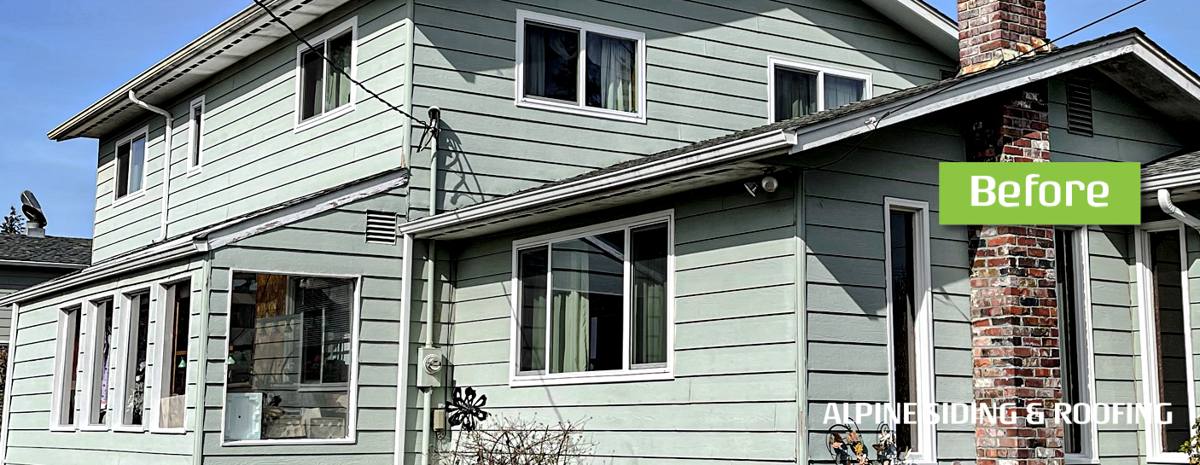
What Coastal Exposure Actually Does to a Window Over Time
It helps to know what you're up against before you're picking materials or signing an estimate. In a neighborhood like Bayside, the failure points are predictable:
- Corrosion on hardware and fasteners — salt air accelerates rust on screws, hinges, and lock mechanisms that aren't rated for coastal use.
- Seal failure in the glass unit — repeated temperature swings and moisture cycling break down the seal between panes faster than in a dry inland climate, leading to fogging between the glass.
- Wood rot at the sill and frame — any wood component left exposed or poorly sealed absorbs moisture during the wet months and doesn't fully dry out before the next rain arrives.
- Moss and algae staining — the same damp, shaded conditions that grow moss on a roof will streak and stain window trim and sills if they're not detailed to shed water.
- Wind-driven water intrusion — a window that seals fine in calm weather can still leak during a sideways winter storm if the flashing wasn't lapped correctly.
None of these are exotic problems. They're the ordinary result of a marine climate working on a building material for years. The fix isn't a special product — it's installation detailing that respects what the site actually does to a window.
What a Correct Window Installation Involves
Before the Old Window Comes Out
A rushed job pulls the old window and drops the new one in the same hole. A correct job starts by checking what's around the opening — the condition of the framing, whether there's existing water damage, and whether the weather-resistive barrier behind the siding is intact. In an older Bayside home, this is often the point where a small rot problem gets found and fixed before it's sealed behind a new window for another twenty years.
Flashing and Moisture Management
This is the part that matters most in a wet, wind-exposed area and the part most likely to get shortcut. Proper flashing means the sill pan sheds water forward, the side flashing laps over the sill pan, and the head flashing laps over the sides — every layer directing water down and out, never trapping it against the frame. Self-adhering flashing tape and a properly integrated weather-resistive barrier matter more here than in a dry climate, because there's simply more water trying to find a way in.
Sealing and Insulation
Low-expansion foam or backer rod and sealant around the perimeter closes air gaps without bowing the frame. Exterior caulking has to be a product rated for the temperature swings and constant moisture cycling of a Puget Sound winter, not a general-purpose caulk that goes brittle after a couple of wet seasons.
Setting and Fastening
The window has to be shimmed level, plumb, and square, then fastened per the manufacturer's schedule — not just at the corners. Hardware and fasteners should be corrosion-resistant, since standard steel screws will start rusting streaks down the siding within a few years this close to the water.
Frame Materials: What Holds Up Near the Water
There's no single "correct" material for every home — it depends on your budget, your home's style, and how much upkeep you want to take on. Here's how the common options actually perform in a coastal, high-moisture climate like Bayside's:
| Frame Material | Coastal Performance | Maintenance |
|---|---|---|
| Vinyl | Doesn't corrode or rot; handles moisture well; can look flat on older or higher-end homes | Low — occasional cleaning |
| Fiberglass | Very stable in temperature swings, resists moisture and corrosion, holds paint well if color changes are wanted later | Low |
| Wood-clad (exterior clad, wood interior) | Good look, but the exterior cladding and its seals are doing all the work protecting the wood underneath — any failure there lets moisture reach the wood | Moderate — sealant joints need periodic inspection |
| Aluminum | Strong and slim-profile, but a poor insulator and prone to condensation in our wet, cool winters unless thermally broken | Low, but condensation issues need monitoring |
We don't push one material on every homeowner. We'll walk through what your existing frames are, what's failed and why, and which option fits your budget and how long you plan to stay in the house — some of that conversation happens honestly during the estimate, not before.
Single, Double, or Triple Pane — What's Worth It Here
Snohomish County's climate is mild compared to a lot of the country — we're not fighting extreme cold — but we do fight constant dampness and temperature swings between day and night. Double-pane glass with a low-E coating is the standard baseline for this region and handles our climate well. Triple-pane adds meaningful sound dampening and a bit more insulating value, which some homeowners near busier streets or with west-facing exposure to storms find worth the extra cost. It's rarely a requirement here the way it might be in a colder climate — it's a comfort and noise upgrade more than a necessity.
Our Process, Start to Finish
- On-site assessment. We look at your current windows, check for water damage or rot around the openings, and measure for accurate ordering.
- Honest estimate. You get a written breakdown of materials, labor, and timeline — no pressure to decide on the spot.
- Ordering and scheduling. Lead times vary by manufacturer and window size; we'll give you a realistic window rather than a guess.
- Removal and inspection. Old windows come out carefully, and we check the framing underneath before anything new goes in.
- Installation. Flashing, sealing, setting, and fastening done to the standard this climate actually requires, not the minimum.
- Final check and cleanup. We test operation, check the seals, and clean up the job site before we call it done.
What Affects the Cost
Every home is different, so we won't quote a number without seeing the job, but these are the main factors that move the price up or down:
| Factor | Why It Matters |
|---|---|
| Number and size of windows | More openings and larger units mean more material and labor |
| Frame material chosen | Vinyl, fiberglass, and wood-clad carry different price points |
| Condition of existing framing | Rot or water damage found during removal adds repair work before the new window goes in |
| Access and height | Second-story or hard-to-reach windows take more time and equipment |
| Glass package | Double-pane low-E versus triple-pane or specialty coatings changes unit cost |
Why a Crew That Already Works Bayside Matters
A window installer who mostly works dry inland neighborhoods hasn't had to build the habit of checking sill pan flashing twice or specifying corrosion-resistant fasteners as a default. It's not a knowledge gap they can't close — it's just not what their daily jobs demand. A crew that regularly works in Bayside and similar Everett neighborhoods treats the coastal detailing as routine because they've seen what happens when it's skipped: the callback two winters later for a leak at the sill, or the hardware that's rusted solid after a handful of seasons.
That local pattern recognition also shows up in smaller ways — knowing which older Bayside homes tend to have original wood-frame windows with hidden rot behind the trim, recognizing moss staining as a moisture signal rather than just a cosmetic issue, and pricing jobs realistically because we've already run into the surprises this area tends to produce.
A Simple Maintenance Checklist After Installation
A correctly installed window still benefits from basic upkeep, especially in a wet climate. A few minutes twice a year keeps small issues from becoming expensive ones:
- Wipe down tracks and weep holes so they don't clog with debris and trap water
- Check exterior caulking each fall for cracking or separation before winter storms arrive
- Rinse off salt residue and grime near the coast a couple of times a year
- Look for moss or dark staining at the sill, which usually points to standing moisture
- Test that locks and hardware still move freely, since corrosion shows up here first
- Watch for fogging between panes, which signals a failed seal rather than a cleaning problem
If your windows are drafty, fogged, hard to operate, or you're just planning ahead for a home in a demanding climate, we're happy to take a look. Fill out the form below for a free, no-pressure estimate — we'll tell you honestly what your windows need and what they don't.