 Everett
 Decks in Lake Stevens Take More Abuse Than People Expect
Lake Stevens sits in a part of Snohomish County where a deck doesn't just have to look good for a season — it has to survive a genuinely hard climate year after year. Between the lake's moisture, the long stretch of gray, drizzly months, and the driving rain that comes off Puget Sound weather systems, outdoor structures here take a beating that inland, drier climates never see. A deck built to a generic national spec, without accounting for this specific environment, tends to show problems within a few years: soft spots, black-green streaking, loose fasteners, and boards that cup or crown.
This page is about one thing: building or replacing a custom deck in Lake Stevens the right way, for the conditions Lake Stevens actually has.
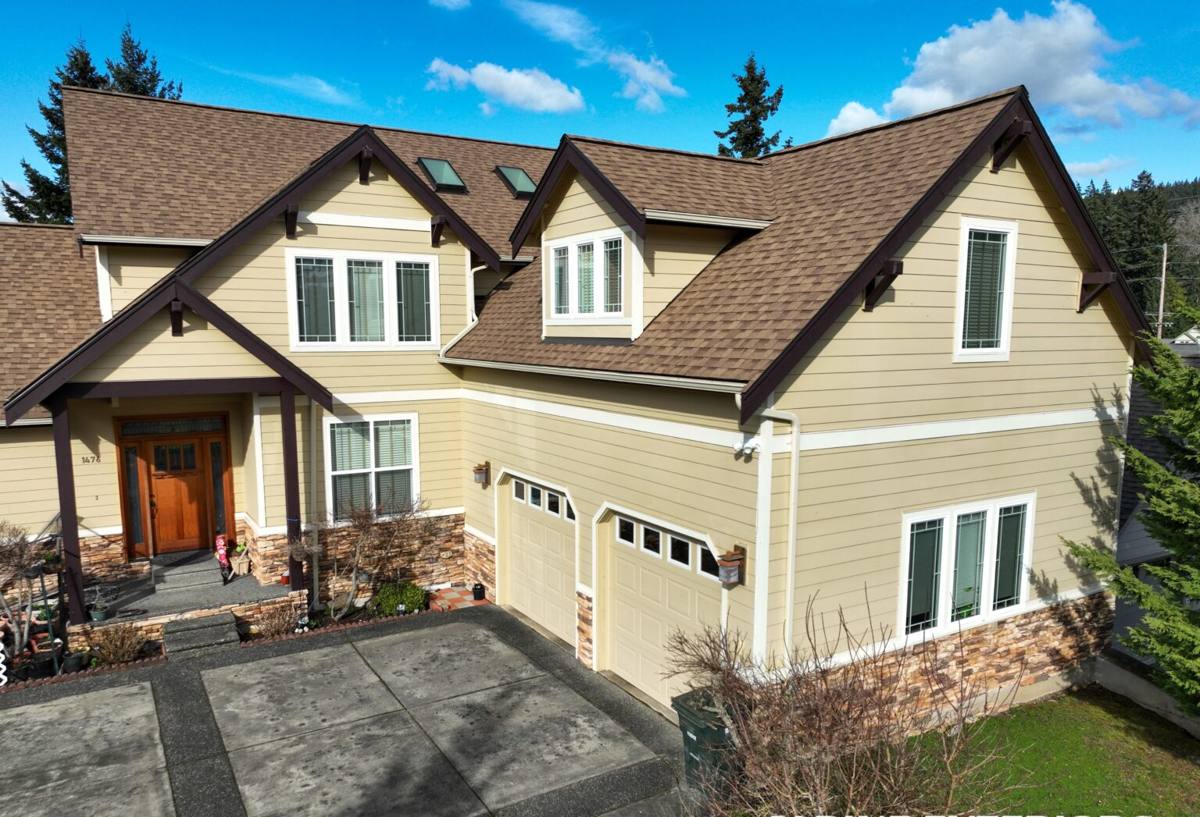
What the Local Climate Does to a Deck
Moisture and a Long Moss Season
Snohomish County's wet season runs long, and Lake Stevens' proximity to water keeps humidity and ground moisture elevated even between rain events. That combination is exactly what moss, algae, and mildew need to establish themselves. Once moss gets a foothold on decking, railings, or stair treads, it holds moisture against the wood or composite surface, blocks sunlight from drying it out, and turns shaded or north-facing sections of a deck slick and dangerous to walk on.
Driving Rain and Wind-Driven Wet
Rain here doesn't always fall straight down. Wind off the lake and the broader Puget Sound weather pattern regularly pushes rain sideways, which means it gets up under railings, behind fascia boards, and into any gap in the flashing or ledger board connection that a fair-weather build might overlook. A deck that isn't detailed for wind-driven rain will leak water into the framing long before the surface boards show any obvious sign of wear.
Salt Air's Slower, Quieter Damage
Being close to Puget Sound, homes in this part of Snohomish County also deal with a low but steady level of salt air exposure. It's not the same intensity as an oceanfront property, but over years it accelerates corrosion on exposed metal — fasteners, brackets, hinges, and railing hardware — which is one of the most common reasons an otherwise sound-looking deck develops structural weak points that aren't visible until you're standing on them.
Picking the Right Decking Material for This Environment
There's no single "best" decking material — there's a best material for your budget, your maintenance appetite, and how much sun or shade your particular lot gets. Here's how the common options actually perform in a Lake Stevens climate:
| Material | How It Handles Our Climate | Maintenance Burden | Typical Lifespan Here |
|---|---|---|---|
| Pressure-treated wood | Affordable, but absorbs moisture readily; needs consistent sealing to resist moss and rot | High — annual cleaning and re-sealing | 10-15 years with upkeep, less without it |
| Cedar | Naturally rot-resistant and handles moisture better than pine/fir, but still needs finish maintenance to hold its color and resist moss | Moderate to high | 15-20 years with regular care |
| Capped composite | A sealed outer shell resists moisture absorption and moss staining far better than wood or uncapped composite | Low — periodic washing | 25+ years, backed by manufacturer warranty |
| Uncapped composite | Better than wood, but the exposed surface can still absorb moisture and stain in shaded, damp areas | Low to moderate | 15-25 years |
Our standard is capped composite for most Lake Stevens projects, specifically because of the moisture and moss exposure described above — not because wood or uncapped composite are bad products, but because the ongoing maintenance they require in this specific climate is more than most homeowners want to keep up with. If you want the look and feel of real wood and are prepared for the upkeep, we'll build that too — we just want you going in with clear eyes about what it takes to keep it looking good here.
What a Correctly Built Deck Actually Involves
Footings and Framing
Everything above the framing is cosmetic if the framing underneath isn't right. In our wet ground conditions, footings need to be set below the frost line and sized for the actual load of the structure, not just poured to a minimum. Framing lumber should be rated for ground contact where it's close to grade, and joist spacing should account for whatever decking material goes on top — composite and wood often have different span requirements.
Ledger Board Attachment
The ledger board — where the deck attaches to the house — is the single most common failure point on decks we're called out to repair. It has to be properly flashed to keep water from getting behind it and into the house's structure, and it has to be through-bolted, not just lag-screwed, to meet current structural standards. A poorly flashed ledger board is a slow leak that can go undetected for years.
Fasteners and Hardware
Given the salt air exposure discussed above, we use corrosion-resistant, code-rated fasteners and structural hardware throughout — not just at the points that are easy to see. Hidden fastener systems also reduce the number of exposed screw heads where water and moss can start to work their way in.
Drainage and Airflow Underneath
A deck that traps moisture underneath it — because of poor grading, no gap for airflow, or ground contact with the framing — will develop rot and moss issues faster than one built with proper clearance and drainage away from the house. This is especially important on lots with limited slope, which is common around Lake Stevens.
Our Process, Start to Finish
1. On-Site Assessment
We walk the property, look at drainage, sun/shade exposure, existing structure if there is one, and talk through what you actually want to use the space for — entertaining, grilling, a hot tub, quiet morning coffee. Material and design decisions follow from that, not the other way around.
2. Design and Material Selection
We put together a plan and a material recommendation based on the assessment, with honest trade-offs explained — not just the highest-margin option pushed on you.
3. Permitting
Most deck projects of meaningful size require a permit locally. We handle the permit application and inspections as part of the job so you're not the one navigating that process.
4. Build
Footings, framing, ledger attachment, decking, railing, and stairs, built to the standards described above — not a stripped-down version of them to hit a lower price.
5. Final Walkthrough
We walk the finished deck with you, cover care and maintenance specific to whatever material you chose, and make sure everything is exactly as discussed before we consider the job done.
Keeping a Deck Ahead of Moss and Moisture
Whatever material you choose, a little regular attention goes a lot further here than in a drier climate. A simple seasonal checklist:
- Sweep debris (leaves, needles, seed pods) off the deck regularly — trapped organic matter holds moisture and feeds moss growth
- Rinse or wash the surface at least twice a year, more often in shaded areas, to interrupt moss and algae before they establish
- Check railings, stair connections, and any visible fasteners once a year for looseness or corrosion
- Keep gutters and downspouts near the deck clear so runoff isn't draining directly onto or under it
- Re-seal wood decking on the manufacturer's recommended schedule — don't wait until it's visibly graying
- Trim back vegetation that shades the deck and slows drying after rain
Repair, Rebuild, or Replace?
Not every problem deck needs to come out entirely. If the framing and footings are sound and the issues are limited to surface boards, railings, or fastener corrosion, a targeted repair or a decking-and-railing replacement over the existing structure can make sense. If we find rot at the ledger connection, undersized or frost-heaved footings, or framing that's been compromised by long-term moisture, a rebuild is the honest recommendation — patching those issues doesn't fix the underlying cause and just delays a bigger problem. Part of our assessment is telling you plainly which situation you're in before any work starts.
Why Local Experience in Lake Stevens Matters
A crew that already works this area knows how the local ground drains, how much shade a typical lot gets, and which parts of a build need extra attention because of the moss season and moisture exposure described throughout this page. That's not something you can fully compensate for with a generic build spec brought in from a different climate. Snohomish County's permitting process, inspection expectations, and typical soil conditions are also things a local crew has already been through many times, which keeps the project moving instead of hitting avoidable delays.
If you're considering a new deck or need an honest opinion on repairing versus replacing one you already have, we're happy to come take a look. Use the form below to request a free, no-pressure estimate.