 Everett
 Decks in Lake Stevens Face a Different Kind of Wear
Lake Stevens sits in a part of Snohomish County where moisture is a year-round fact of life, not a seasonal inconvenience. Between the lake itself, the marine air that moves through the broader Puget Sound region, and a wet season that can stretch from October well into spring, an outdoor deck here is under near-constant pressure from water in one form or another. Homes closer to the shoreline deal with added humidity and condensation off the water; homes set back in the trees deal with shade, slower drying times, and heavier moss and algae growth. Either way, a deck built without that reality in mind starts showing problems faster than it should.
We build and repair decks for homeowners throughout Lake Stevens and the surrounding Everett area, and the decks that last aren't the ones with the flashiest railing or the most expensive decking board — they're the ones where the framing, fasteners, and drainage were handled correctly from the start. That's where we put our attention.
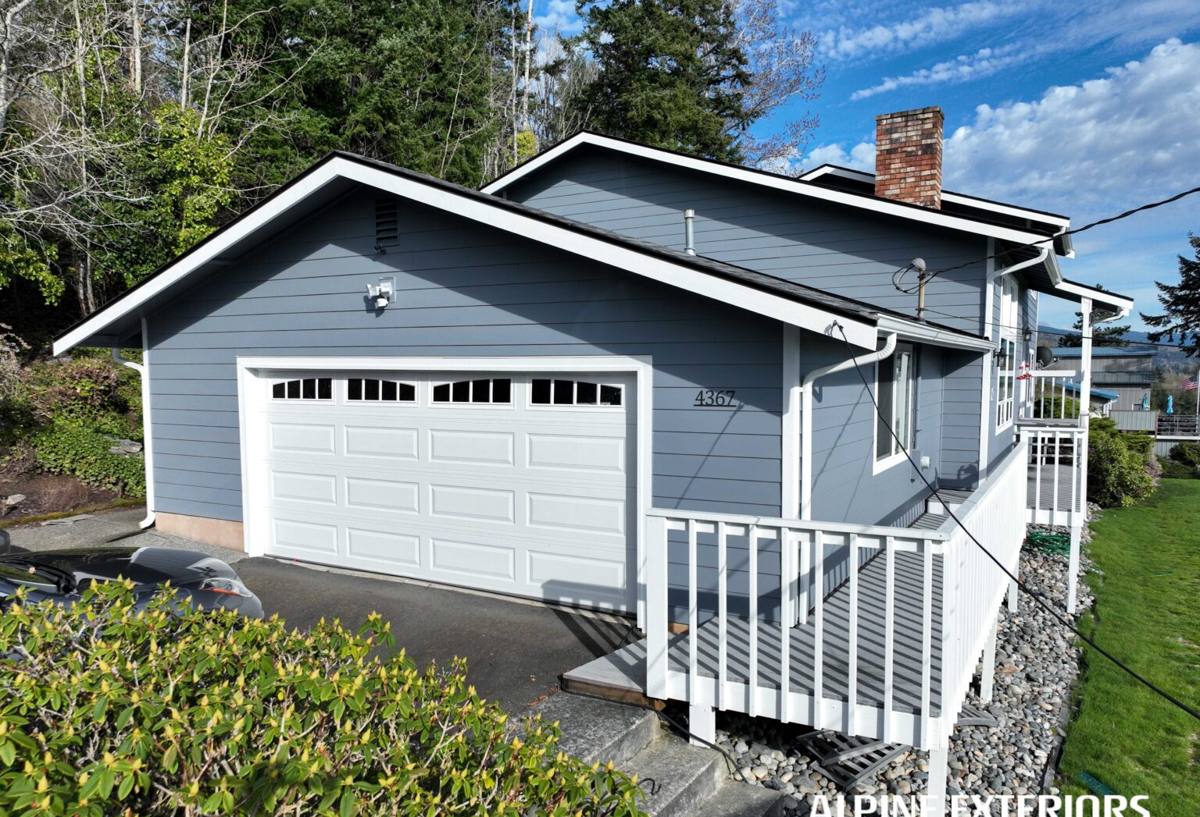
What Driving Rain and Moss Actually Do to a Deck
It helps to understand the specific failure points before talking about how we build around them:
- Trapped moisture at the ledger board — where the deck attaches to the house is the single most common source of rot and, in bad cases, structural failure, because water gets behind the board and never fully dries.
- End-grain saturation — cut ends of joists, beams, and decking soak up water faster than the face of the board, which is why untreated or poorly sealed cuts fail first.
- Moss and algae on walking surfaces — beyond looking bad, a mossy deck surface is a slip hazard, especially on stairs, and moss holds moisture against the board underneath it, accelerating decay.
- Standing water on flat surfaces — decks built without enough slope, or with boards installed too tight, hold water instead of shedding it, which speeds up warping, cupping, and rot.
- Corroding fasteners — the wrong nails or screws in a wet climate rust, stain the wood, and eventually lose their grip strength.
None of these are exotic problems. They're the predictable result of building without accounting for the amount of rain and humidity this part of Washington gets. Building correctly the first time costs less than fighting these issues for years afterward.
What a Correctly Built Deck Looks Like Here
Ledger Attachment and Flashing
If your deck attaches to the house, the ledger board connection needs proper flashing that directs water away from the house's sheathing and framing, not just a board bolted to the siding. This is the detail most likely to be skipped or done poorly on older or budget builds, and it's the one most likely to cause expensive damage down the road.
Footings Sized for the Ground Here
Snohomish County soils hold water, and frost depth requirements still apply to footing design even in a relatively mild climate. Footings that are too shallow or undersized can shift over time as the ground freezes, thaws, and saturates through the wet months, which shows up later as a deck that feels bouncy or uneven.
Fasteners and Hardware Rated for Wet-Climate Use
We use corrosion-resistant, code-rated structural hardware and fasteners throughout — joist hangers, post bases, and connectors that are rated for ground contact and outdoor exposure, not standard interior-grade hardware. This matters more here than in a dry climate, where corrosion simply happens faster.
Drainage and Slope
A deck surface should have a slight, consistent slope away from the house so water runs off instead of pooling. Board spacing also matters — gaps that are too tight trap debris and moisture; gaps that are too wide feel unfinished and can be a hazard for small items (or heels).
Guardrails and Stairs Built to Code
Guardrail height, baluster spacing, and stair geometry all fall under building code requirements, and they're not optional extras — they're safety items that also get checked at permit inspection. We build to code as a baseline, not as an upsell.
Decking Material Comparison
There's no single "best" decking material — the right choice depends on your budget, how much upkeep you want to do, and how much sun or shade the deck gets. Here's an honest look at the main options for a climate like this one:
| Material | Upfront Cost | Maintenance | How It Handles This Climate |
|---|---|---|---|
| Pressure-treated lumber | Lowest | Needs sealing/staining every 1-2 years | Good performance if maintained; will gray, split, or grow moss if neglected |
| Cedar | Mid-range | Needs sealing/staining every 1-2 years | Naturally rot-resistant, but still needs upkeep to prevent graying and moss in shaded areas |
| Composite decking | Higher | Occasional washing, no staining | Resists rot and moisture well; can still grow surface algae in shaded, damp spots without cleaning |
| PVC decking | Highest | Occasional washing | Fully moisture-resistant board itself, though surface algae is still possible without cleaning |
A note on composite and PVC: these materials solve the wood-rot problem, but they don't make a deck maintenance-free. In a shaded, moist environment, any decking surface can grow algae or moss if it never gets sun or airflow. We'll tell you honestly what to expect from a given material based on where your deck sits and how much sun it gets — not just what sounds best in a sales pitch.
Our Process for a Lake Stevens Deck Project
- On-site visit and assessment — we look at your yard's drainage, sun/shade exposure, existing structure (if it's a rebuild), and how the deck will attach to the house.
- Design and material selection — we walk through decking, railing, and layout options with honest pros and cons for your specific site, not a one-size-fits-all pitch.
- Permitting — most new decks and many rebuilds require a permit through Snohomish County or the applicable local jurisdiction. We handle this so the work is inspected and legal, which also protects you if you sell the home later.
- Construction — footings, framing, flashing, decking, and railing, built in that order with attention to the moisture-control details covered above.
- Final walkthrough and inspection — we confirm the deck passes required inspections and walk you through basic care for whatever material you chose.
Cost Factors Worth Understanding
Deck pricing varies a lot based on size, height, material, and site conditions, so we won't quote a fake number here — but these are the factors that actually move the price:
| Factor | Why It Matters |
|---|---|
| Deck height off the ground | Taller decks need deeper footings and more substantial railing/stair structure |
| Attached vs. freestanding | Attached decks need ledger flashing work; freestanding decks need their own full support structure |
| Decking material | Composite and PVC cost more upfront than wood but reduce long-term maintenance |
| Site access and slope | Sloped or hard-to-access yards add labor for excavation and material staging |
| Permit and inspection requirements | Larger or higher decks typically require engineering review, which adds time and cost |
Maintaining a Deck Once It's Built
Even a well-built deck needs a bit of seasonal attention in this climate. A simple yearly routine goes a long way:
- Sweep debris off the surface regularly, especially in fall — wet leaves trap moisture against the boards.
- Wash the surface at least once a year to remove algae and moss buildup before it takes hold, particularly in shaded areas.
- Check and re-seal or re-stain wood decking on the schedule appropriate for that product — don't wait until it's visibly gray and dry.
- Inspect railing and stair connections annually for looseness, which can indicate a fastener or framing issue underneath.
- Keep gutters and downspouts near the deck clear so runoff isn't draining directly onto or under the structure.
- Trim back vegetation that's shading the deck and keeping it damp longer than it needs to be.
Why It Matters to Hire a Crew That Already Works This Area
A deck built to a generic national standard isn't automatically wrong, but it's often missing the details that matter specifically for Snohomish County conditions — the flashing details, the fastener choices, the footing depth appropriate for local soil and frost behavior, and an honest read on how much sun or shade a given yard actually gets through the year. A crew that regularly works in Lake Stevens and the greater Everett area has already seen how decks in this climate age over five, ten, and fifteen years, and builds accordingly from day one instead of learning the hard way on your project.
We're also familiar with the local permitting process, which keeps the project moving instead of stalling on paperwork or inspection surprises.
Get a Free, No-Pressure Estimate
If you're planning a new deck, replacing an aging one, or just want an honest opinion on whether yours needs repair or a rebuild, we're happy to take a look. Use the form below to request a free estimate — no pressure, no obligation, just a straight answer about what your project actually needs.