 Everett
 Why Siding Installation in Mukilteo Is Different
Mukilteo sits right on Puget Sound, and that waterfront position shapes everything about how siding ages here. Homes closer to the water deal with salt-laden air that accelerates corrosion on fasteners and trim. Homes set back into the wooded hillsides deal with the opposite problem: dense tree cover, filtered sun, and damp shade that turn north-facing walls into moss and algae farms almost year-round. Add in wind-driven rain that comes in sideways off the Sound during fall and winter storms, and you've got a climate that finds every weak point in a siding system — fast.
This isn't a generic Pacific Northwest problem you can solve with generic siding. It's a Snohomish County, Sound-adjacent problem that calls for a product and an installation process built specifically for sustained moisture exposure, not just occasional rain.
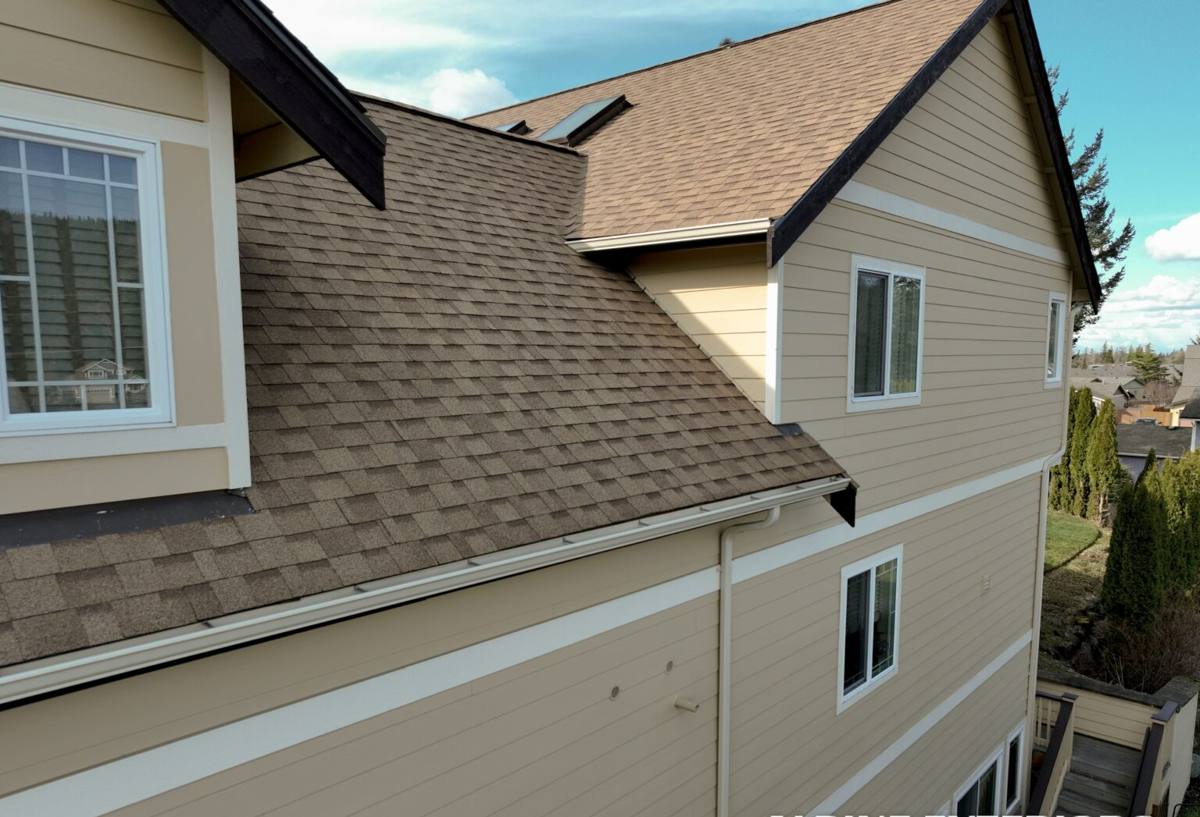
What Mukilteo's Climate Does to the Wrong Siding
Salt Air and Metal Fatigue
Airborne salt doesn't just affect homes on the immediate waterfront — it travels inland on wind and settles on any exposed surface. Over years, it accelerates corrosion on uncoated fasteners, cheap trim flashing, and any metal component that wasn't rated for coastal exposure. Siding systems that rely on exposed nail heads or lower-grade hardware show rust streaking and staining well before the siding itself would otherwise need replacing.
Driving Rain and Water Intrusion
Wind-driven rain doesn't fall straight down — it gets pushed sideways into seams, laps, and butt joints. Siding that isn't installed with the correct overlap, flashing, and drainage plane will eventually let water behind the cladding. Once moisture gets behind siding and can't dry out, it doesn't matter how good the surface material looks; the sheathing and framing underneath start to suffer.
Moss, Algae, and Shaded Exposure
Mukilteo's tree cover and marine-layer humidity keep shaded wall sections damp for long stretches, especially through fall and winter. That's exactly the environment moss and algae need to take hold. Wood-based and lower-grade composite sidings are especially prone to staining and surface breakdown in these conditions, and once organic growth gets a foothold, it holds moisture against the surface and makes the problem worse.
What Correct Siding Installation Actually Requires
A siding job that holds up in Mukilteo isn't just about which product goes on the wall — it's about the assembly underneath it. A correct installation includes:
- A continuous weather-resistive barrier (WRB) installed with proper shingle-lap sequencing so water sheds outward, not inward
- Correct flashing at every window, door, deck ledger, and roof-to-wall intersection, including kickout flashing where a roofline meets a sidewall
- Proper clearance between the bottom of the siding and grade, decks, or roofing to prevent wicking and splash-back moisture
- Manufacturer-specified fastener type, spacing, and penetration depth — not "close enough"
- Correct panel and lap overlap for the local exposure zone, with sealed joints where the manufacturer calls for sealant and open joints where it doesn't
- Ventilation behind the cladding where the wall assembly requires it, so any incidental moisture can dry out
Skipping any one of these doesn't show up on day one. It shows up in year three or four, as staining, soft spots, or water damage that's expensive to trace back to its source.
Our Process for Mukilteo Homes
1. On-Site Assessment
We walk the exterior and identify the specific exposure conditions for that property — which walls face prevailing wind and rain, which sides sit in shade long enough to grow moss, where past water damage or soft trim suggests an existing problem behind the current siding.
2. Tear-Off and Substrate Inspection
Old siding comes off and we inspect the sheathing underneath before anything new goes up. Any rot, water damage, or compromised framing gets addressed at this stage — covering a bad substrate with new siding just hides the problem.
3. Weather-Resistive Barrier and Flashing
We install a continuous WRB with correct lap sequencing, then detail flashing at every penetration and transition — windows, doors, decks, roof intersections. This layer does the real waterproofing work; the siding is the second line of defense, not the only one.
4. James Hardie Installation
We install James Hardie fiber cement siding to manufacturer spec for our climate zone (HZ5), with correct fastening, overlap, and joint treatment. Because we only install one product line, our crews aren't switching between installation methods from job to job — they know this system in depth.
5. Final Detail and Walkthrough
Trim, caulking, and touch-up work get finished, and we walk the property with the homeowner to review the completed job before we consider it done.
Why We Install Only James Hardie
We don't install vinyl, LP SmartSide, or primed wood siding, and that's a deliberate standard, not a limitation of what we're capable of doing. Here's the reasoning, specific to what Mukilteo homes face:
- Non-combustible material. Fiber cement doesn't feed a fire the way wood-based products can, which matters for insurance and long-term risk regardless of location.
- Moisture-resistant core. Fiber cement doesn't absorb and swell the way engineered wood siding can when it takes on sustained rain exposure.
- Factory-applied ColorPlus finish. The finish is baked on at the factory under controlled conditions, which holds color and resists the kind of moss and mildew staining that shows up faster on field-painted or bare wood surfaces.
- Climate-engineered product line. Hardie's HZ5 formulation is engineered for our specific moisture and freeze-thaw conditions, not a one-size-fits-all national product.
- Strong transferable warranty. A warranty that survives a change of ownership matters to resale value, which is a real consideration in a desirable waterfront market like Mukilteo.
Other products have real strengths — vinyl is inexpensive and low-maintenance in mild climates, engineered wood can look good and install quickly. We simply don't think they hold up to Mukilteo's combination of salt air, wind-driven rain, and heavy shade as well as correctly installed fiber cement does, and we'd rather stand behind one product we trust completely than offer several we have reservations about.
Cost Factors for Mukilteo Siding Projects
| Factor | Why It Matters Here |
|---|---|
| Home size and wall complexity | More corners, dormers, and roof-wall intersections mean more flashing detail work |
| Substrate condition | Waterfront and shaded homes more often need sheathing repair discovered during tear-off |
| Siding profile (lap, shingle, panel) | Different Hardie profiles have different material and labor requirements |
| Trim and accessory scope | Corner boards, window trim, and fascia work add to both material and labor |
| Access and site conditions | Sloped lots and tight waterfront setbacks common in Mukilteo can affect staging and labor time |
| Existing damage | Rot or water damage found behind old siding adds repair scope before new siding goes up |
What to Check Before Hiring a Siding Contractor
Because a siding job's quality is mostly hidden once the wall is closed up, it's worth vetting a contractor carefully before work starts:
- Do they carry manufacturer certification or documented training on the specific siding product they're installing?
- Will they inspect and repair the sheathing before installing new siding, or just cover what's there?
- Can they explain their flashing details at windows, decks, and roof intersections without hand-waving?
- Do they regularly work in Snohomish County and understand local permitting requirements?
- Are they familiar with coastal and shaded-lot conditions specific to Mukilteo, not just general regional experience?
- Do they provide a written scope of work, not just a total price?
Why Local Experience in Mukilteo Matters
A crew that regularly works in Mukilteo already understands which walls on a given lot are going to take the worst of the wind-driven rain off the Sound, which shaded, tree-covered sections need extra attention to prevent moss buildup, and how salt exposure varies depending on how close a property sits to the water. That knowledge shapes real decisions — flashing details, fastener choice, and where to pay closest attention during installation — before a single panel goes up. It also means familiarity with Snohomish County and City of Mukilteo permitting, so the project moves without avoidable delays.
Maintaining Hardie Siding in a Marine Climate
Correctly installed James Hardie siding is low-maintenance, but "low" isn't "none," especially this close to the water. A periodic rinse-down helps prevent salt film and organic buildup from accumulating on the surface, particularly on shaded, north-facing walls. It's also worth doing a visual check after major windstorms for any loose trim or caulking that may need attention, and keeping vegetation trimmed back from exterior walls so damp foliage isn't sitting against the siding.
If you're planning a siding project on a Mukilteo home and want a straight assessment of what your property actually needs, we're glad to take a look. We offer free, no-pressure estimates and can walk you through exactly what a correct installation involves for your specific site — just fill out the form below to get started.