 Everett
 Roof Repair Built for Pinehurst's Climate, Not a Generic Checklist
Pinehurst homes sit in a part of Everett where the roof works harder than most homeowners realize. You're close enough to Puget Sound that salt-laden air reaches the metal flashing, fasteners, and gutter systems on every house in the neighborhood. Layer on the driving, wind-pushed rain that comes through Snohomish County in the fall and winter, plus a moss season that can run half the year in shaded, tree-covered lots, and you have a roof environment that punishes shortcuts. A repair that looks fine from the driveway can fail again in a year if it wasn't built for these specific conditions.
This page is about roof repair specifically — not full replacement, not a general overview of roofing services. If your roof is leaking, showing damaged shingles, or has a trouble spot that keeps coming back, this is what a correct repair looks like for a Pinehurst home, and how we approach it.
Why Pinehurst Roofs Wear the Way They Do
Salt Air and Metal Fatigue
Even though Pinehurst isn't waterfront, prevailing air off the Sound carries fine salt content inland across much of Everett. Over years, that air accelerates corrosion on exposed fasteners, flashing seams, and any bare metal edges. A repair that reuses corroded fasteners or unsealed metal is starting from a weaker position than the same repair done a few hours inland.
Driving Rain and Wind-Driven Water
Snohomish County storms rarely come straight down. Wind pushes rain sideways and up under laps, ridge caps, and flashing that would shed water fine in a calm downpour. Most of the leaks we find in this area didn't start as a hole in the field of the roof — they started as water finding a horizontal or angled path under a lap that wasn't sealed or lapped correctly for wind-driven conditions.
Moss, Shade, and Moisture Retention
Mature tree cover is common on Pinehurst lots, and that shade keeps roof surfaces damp longer after every rain. Moss and algae take hold in those damp, shaded sections first — usually the north-facing slopes and any area near overhanging branches. Moss doesn't just look bad; its root structure lifts shingle edges and holds water against the roof deck, which is exactly the condition that turns a small leak into a rot problem.
Signs a Pinehurst Roof Needs Repair, Not Replacement
Not every roof problem means a new roof. Most of what we're called out for in this neighborhood is a legitimate repair — but it has to be diagnosed correctly first. Common signs worth a look:
- A ceiling stain that appears or grows after wind-driven rain specifically, not every rain
- Granules collecting in gutters or at downspout outlets
- Curling, cracked, or missing shingles in one section rather than across the whole roof
- Visible moss or dark streaking concentrated on shaded slopes
- Soft or spongy decking felt underfoot in one localized area during an inspection
- Daylight visible through the attic at a flashing point, vent boot, or ridge
- Rusted, lifted, or separated flashing around chimneys, skylights, or wall intersections
If the damage is isolated and the roof deck underneath is still sound, repair is the honest recommendation. We'll tell you plainly if what we find points toward replacement instead — that call should be based on what's actually under the surface, not on which service is easier to sell.
What a Correct Roof Repair Actually Involves
A roof repair done right is more than swapping a shingle. It requires finding the real entry point of the water, which is often several feet from where the stain shows up inside, because water travels along the deck and rafters before it drips.
Finding the Actual Source
We trace leaks from the interior damage back to the roof, checking flashing, vent boots, valleys, and any penetration points along the way — not just the nearest shingle. A repair aimed at the wrong spot will look finished and still leak on the next storm.
Matching the Repair to the Roofing System
Shingles, underlayment, and flashing all need to integrate with what's already on the roof. That means correct lap sequencing (each course overlapping the one below in the direction water actually flows), proper nail placement, and flashing that ties into existing step flashing or counterflashing rather than just being caulked over it. Caulk-only fixes are common shortcuts in this trade — they hold for a season or two and then fail, because caulk isn't a substitute for correct flashing geometry.
Addressing the Deck, Not Just the Surface
If moisture has reached the decking, that section needs to be dried out and, if soft, replaced before any new shingle goes down. Shingling over a compromised deck is one of the most common causes of a repair failing within a year.
Roofing Materials Common in Pinehurst and How Repair Differs by Type
Pinehurst has a mix of roof ages and materials, which changes what a repair actually requires. Here's how the common types compare for repair purposes:
| Material | Typical Repair Challenge | What Matters Most |
|---|---|---|
| Asphalt composition shingle | Most common; granule loss and wind-lifted tabs are typical failure points | Matching shingle profile and color as closely as possible; correct nail pattern |
| Cedar shake (older homes) | Individual shakes split or curl; moss retention is higher due to wood's texture | Careful removal without disturbing surrounding shakes; treating for moisture |
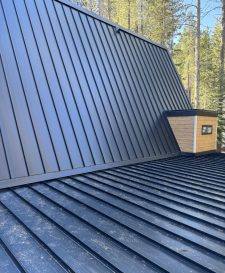
| Metal roofing/accents | Fastener backout and seam separation from thermal movement | Corrosion-resistant fasteners and sealants rated for coastal exposure |
| Flashing (any roof type) | Corrosion and separation at chimneys, valleys, and walls | Proper lapping and integration, not surface caulking |
On older Pinehurst homes with cedar shake still in place, we're honest that exact-match repairs get harder every year as reclaimed shake becomes scarcer. We'll explain the realistic options rather than promise a seamless match we can't deliver.
Our Roof Repair Process
- Inspection first. We walk the roof and the attic when accessible, tracing the leak or damage to its actual source rather than the nearest visible symptom.
- Written scope and honest recommendation. You get a clear explanation of what's damaged, what's causing it, and whether repair is the right call — before any work starts.
- Weather-appropriate scheduling. We work around Snohomish County's rain patterns so the repair area isn't left exposed during active weather.
- Correct tear-out. Only the damaged section is removed, back to sound decking and undamaged surrounding material.
- Underlayment and flashing done properly. This is the step most likely to be shortcut elsewhere — we don't skip it.
- Shingle or material replacement, matched as closely as possible. We source materials to blend with the existing roof where a reasonable match exists.
- Cleanup and a final check. Nails, debris, and old material are cleared from the roof and gutters before we consider the job done.
Moss, Algae, and Ongoing Maintenance
A repair holds longer when the conditions that caused the original damage are addressed too. In a moss-prone, tree-covered area like Pinehurst, that usually means:
- Clearing overhanging branches that keep sections of the roof shaded and damp
- Removing moss growth carefully — scraping or pressure-washing incorrectly can lift shingle granules and shorten roof life, so this should be done at the right pressure and technique for the material
- Keeping gutters and downspouts clear so water isn't backing up under the roof edge
- Checking flashing and vent boots annually, since these fail before the shingle field usually does
- Watching for early granule loss in gutters as a signal to inspect before a leak develops
We can address moss and debris as part of a repair visit or flag it for you to monitor — either way, it's worth mentioning because it's the difference between a repair that lasts and one you're redoing in two years.
What Roof Repair Typically Costs
Repair costs vary based on what's actually wrong, so we won't quote a number without seeing the roof — but here's what drives the range up or down:
| Cost Factor | Why It Matters |
|---|---|
| Size of the damaged area | A single flashing point costs far less to fix than a full slope of failed shingles |
| Roof pitch and accessibility | Steep or hard-to-access sections take longer and require more safety setup |
| Deck condition underneath | Rotted decking adds material and labor beyond the surface repair |
| Material match availability | Older or discontinued shingle lines and cedar shake can add sourcing time and cost |
| Number of penetrations involved | Chimneys, skylights, and multiple vents each add flashing work |
Most straightforward, localized repairs land in the low hundreds to low thousands of dollars; larger repairs involving deck replacement or multiple problem areas run higher. We'll walk you through the specific factors driving your quote so there are no surprises.
Why a Crew That Already Works Pinehurst Matters
Roof repair isn't just a set of steps — it's judgment calls made on a specific roof, in specific conditions. A crew that regularly works Pinehurst and the surrounding Everett neighborhoods has already seen how homes in this area age: which flashing details tend to fail first in this exposure, how moss behaves on the tree-shaded lots common here, and what a wind-driven rain leak actually looks like versus a simple shingle gap. That local pattern recognition shortens the diagnosis and reduces the chance of a repair that misses the real cause.
It also means we're not guessing at permitting or code expectations for Snohomish County jurisdictions — we know what's typically required for repair work versus larger scope projects, and we'll tell you plainly if your situation needs a permit or not.
Get a Straight Answer on Your Roof
If you're dealing with a leak, damaged shingles, or a trouble spot on your Pinehurst roof, we'll take a look, explain what we find in plain terms, and give you an honest recommendation — repair or otherwise. Use the form below to request a free, no-pressure estimate.