 Everett
 Why Pinehurst Homes Wear Out Their Siding Faster Than You'd Expect
Pinehurst sits inside Everett's marine climate zone, which means the siding on these homes is working harder than siding does almost anywhere else in the country. Moist Puget Sound air carries a fine salt content that settles on exterior surfaces year-round. Add driving rain that comes in sideways during fall and winter storms, long stretches of overcast humidity, and a moss season that can run from October through April, and you have a combination that finds every weakness in a siding system within a handful of years instead of a few decades.
Most siding materials are engineered for a national average climate, not this one. When that mismatch shows up, it shows up as soft trim boards, streaking behind gutters, moss creeping up north-facing walls, and paint that fails years ahead of schedule. None of that means a homeowner did anything wrong — it means the product wasn't suited to the environment it was asked to live in.
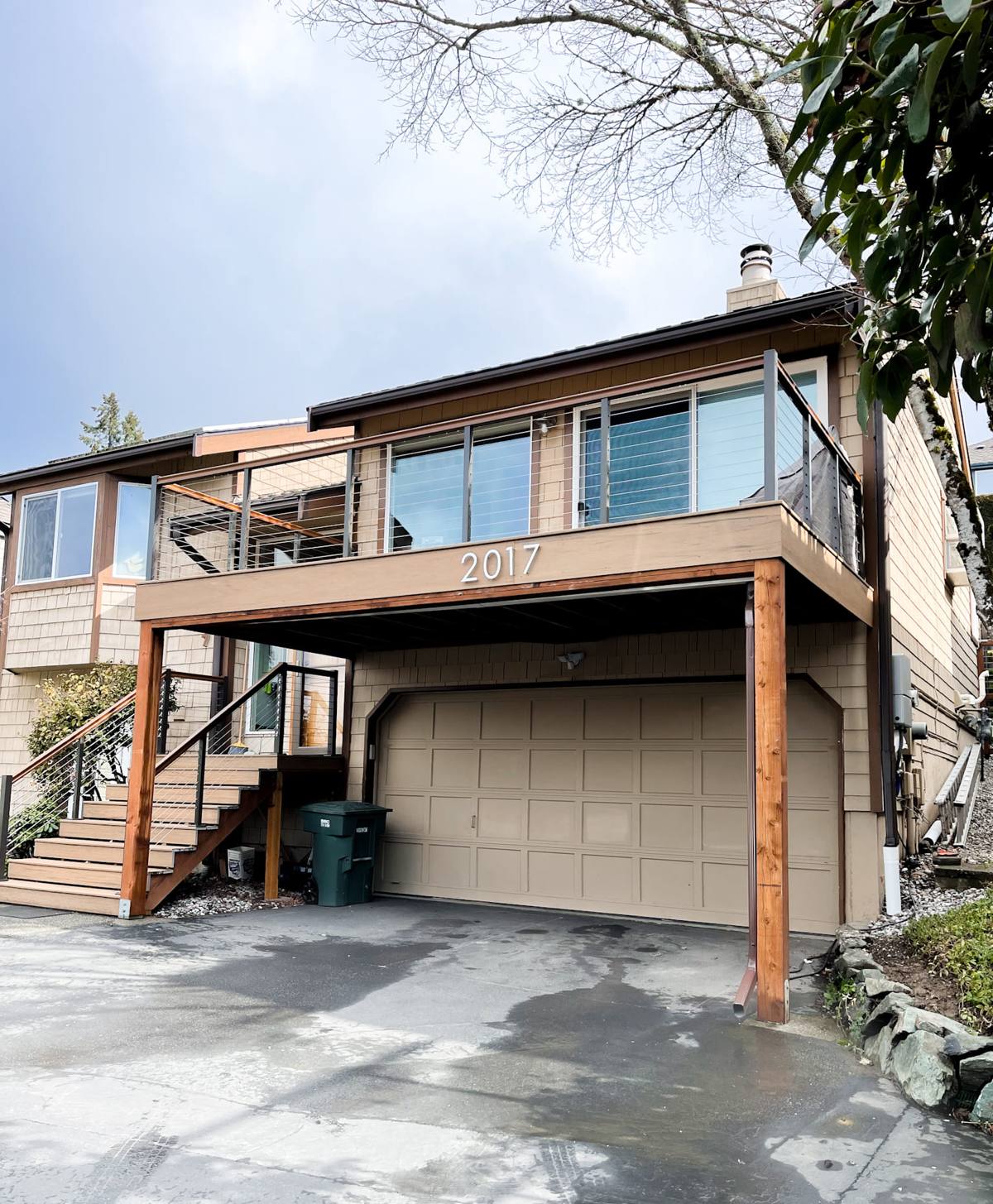
Signs a Pinehurst Home Actually Needs Siding Replacement
Not every siding problem calls for a full tear-off. Some issues are cosmetic, some are structural, and knowing the difference saves money. Here's what tells you the siding has reached the end of its useful life rather than needing a patch or a cleaning.
- Soft or spongy spots when you press on the siding, especially near the bottom courses and around window trim
- Visible warping, bowing, or panels that have pulled away from the wall
- Paint that's peeling or bubbling in sheets rather than just fading
- Persistent moss or algae staining that comes back within a season of cleaning
- Rising energy bills that point to a compromised weather barrier behind the siding
- Visible rot or discoloration at seams, corners, and butt joints
- Siding that's original to a home built more than 20-25 years ago in wood or engineered wood product lines
If a home is showing two or more of these signs, it's worth a real inspection rather than another round of caulk and paint.
What a Correct Siding Replacement Actually Involves
Siding replacement done right is not just removing old panels and nailing up new ones. In a climate that pushes this much moisture at a house, the layers underneath the visible surface matter as much as the siding itself.
Tear-Off and Sheathing Inspection
Every old panel comes off so the sheathing underneath can actually be seen, not guessed at. This is where hidden problems from years of moisture intrusion show up — soft OSB, rot around window openings, or old flashing that was never installed correctly. Any of it gets repaired before a single new panel goes up. Covering over a damaged wall with new siding just delays the same failure.
Weather-Resistive Barrier and Flashing
A correctly detailed house wrap, properly lapped and taped, is what actually keeps driving rain out of the wall assembly — the siding itself is the first line of defense, not the only one. Flashing at windows, doors, and any roof-to-wall intersections has to shed water outward at every point, since these are the spots where most real-world leaks start.
Fastening, Clearances, and Joints
Fastener spacing, siding-to-grade clearance, and joint treatment all follow the manufacturer's installed specifications — not general carpentry habits. Clearance from grade, decks, and roof lines keeps splash-back and standing moisture away from the bottom edge of the siding, which is where salt-laden moisture does the most damage over time.
Finish and Detailing
Trim, corners, and caulking are finished to shed water rather than trap it. A factory-applied finish that's baked on and warranted is a very different long-term proposition than a field-applied paint job that starts fading the first season it's exposed to this kind of weather.
Why Material Choice Matters More Here Than in a Drier Climate
In Snohomish County's marine environment, the difference between siding products isn't just looks or price — it's how each one handles sustained moisture exposure and salt air over 15, 20, or 30 years. We install James Hardie fiber cement exclusively because of how it performs specifically in this kind of weather, and we think homeowners deserve an honest comparison rather than a sales pitch.
| Material | Moisture Behavior | Maintenance Burden | Typical Longevity Here |
|---|---|---|---|
| Vinyl | Doesn't rot, but can warp or crack in temperature swings; trapped moisture behind it goes unnoticed | Low upkeep, but limited repair options once damaged | Variable; UV and impact damage common over time |
| Engineered wood (e.g. LP SmartSide) | Vulnerable at cut edges and seams if moisture gets past the finish | Requires diligent caulk and paint maintenance | Shorter in sustained wet climates without strict upkeep |
| Cedar / primed spruce | Natural material; absorbs and releases moisture, prone to rot and insect issues if not maintained | High — regular refinishing needed | Shorter without consistent, disciplined maintenance |
| James Hardie fiber cement | Non-combustible, dimensionally stable, engineered moisture-managed profile | Low — factory finish holds color and integrity for years | Long-term performance when installed to spec |
Hardie's HZ product lines are engineered specifically for climate zones like ours, and the ColorPlus factory finish is baked on under controlled conditions rather than applied on-site, which matters a great deal when a job has to hold up against year-round rain and salt air. That's why we standardized on it rather than offering multiple product lines.
Our Pinehurst Siding Replacement Process
- On-site assessment — we walk the home, check the current siding condition, and look at trouble spots like window flashing, roof-wall intersections, and grade clearance
- Written scope and product selection — plain-language explanation of what's being replaced, why, and which Hardie product and color fit the home
- Tear-off and sheathing repair — old siding removed, sheathing inspected, any rot or damage repaired before moving forward
- Weather barrier and flashing installation — house wrap and flashing detailed to manage water at every penetration
- Siding installation — panels installed to manufacturer fastening and clearance specifications
- Trim, caulking, and final detailing — finish work done to shed water, not just look clean on installation day
- Walkthrough and cleanup — site cleared, and the finished work reviewed together before we consider the job done
Cost Factors for a Pinehurst Siding Replacement
Every home is different, but the same handful of factors drive most of the cost variation we see on siding replacement projects in this area.
| Factor | Why It Affects Cost |
|---|---|
| Home size and wall complexity | More square footage and more corners, dormers, or gables mean more material and labor |
| Condition of the sheathing underneath | Hidden rot or moisture damage found during tear-off requires repair before new siding goes up |
| Number of stories and access | Multi-story homes and difficult access points require more scaffolding and time |
| Trim and detail work | Homes with extensive trim, window casings, or architectural detail take longer to finish correctly |
| Siding profile and color selection | Different Hardie profiles (lap, shingle, panel) and premium ColorPlus colors carry different material costs |
We don't quote a number without seeing the home in person, since guessing at any of these factors from a phone call does homeowners a disservice.
Permits, HOAs, and Working Locally in Snohomish County
Depending on the scope of work, siding replacement in the Everett area can involve a building permit, and some Pinehurst properties may fall under HOA or neighborhood design guidelines that affect approved colors or profiles. A local crew that has already pulled permits and worked through these steps in this area moves through them without the delays that come from figuring it out for the first time.
Why Hiring a Crew That Already Works Pinehurst Matters
Siding installation looks straightforward from the outside, but the details that actually matter — flashing sequencing, fastener spacing, clearance from grade, how a finish holds up against sustained coastal moisture — are exactly the details that separate a job that lasts from one that doesn't. A crew that already works in Pinehurst and the surrounding Everett area has seen how local homes age, which corners fail first in this climate, and what it actually takes to get ahead of moss, salt air, and driving rain rather than reacting to them after the fact.
That local track record is also what makes a warranty mean something. Correct installation is what keeps a manufacturer's warranty valid, and a crew that treats installation as a craft rather than a race through the schedule is the difference between siding that needs attention again in a decade and siding that doesn't.
If your Pinehurst home is showing signs it's time for new siding, we're happy to take a look and give you a straight, no-pressure assessment. Use the form below to request a free estimate.