 Everett
 Deck Repair Built for Port Gardner's Marine Climate
Port Gardner sits close enough to the water that its homes take a different kind of weathering than decks farther inland in Snohomish County. Salt-laden air off the bay, long stretches of driving rain, and a moss season that can run from October through April all work on a deck at the same time, from different directions. A repair here has to account for all three, not just the one that happens to be visible when we show up.
We've repaired enough decks in this part of Everett to know that the damage you can see — a soft board, a wobbly rail — is usually the least of it. The more important question is what's happening underneath: at the ledger connection, in the framing, and in the fasteners holding it all together. This page walks through what actually goes wrong with decks in Port Gardner, what a correct repair looks like, and how we approach the work.
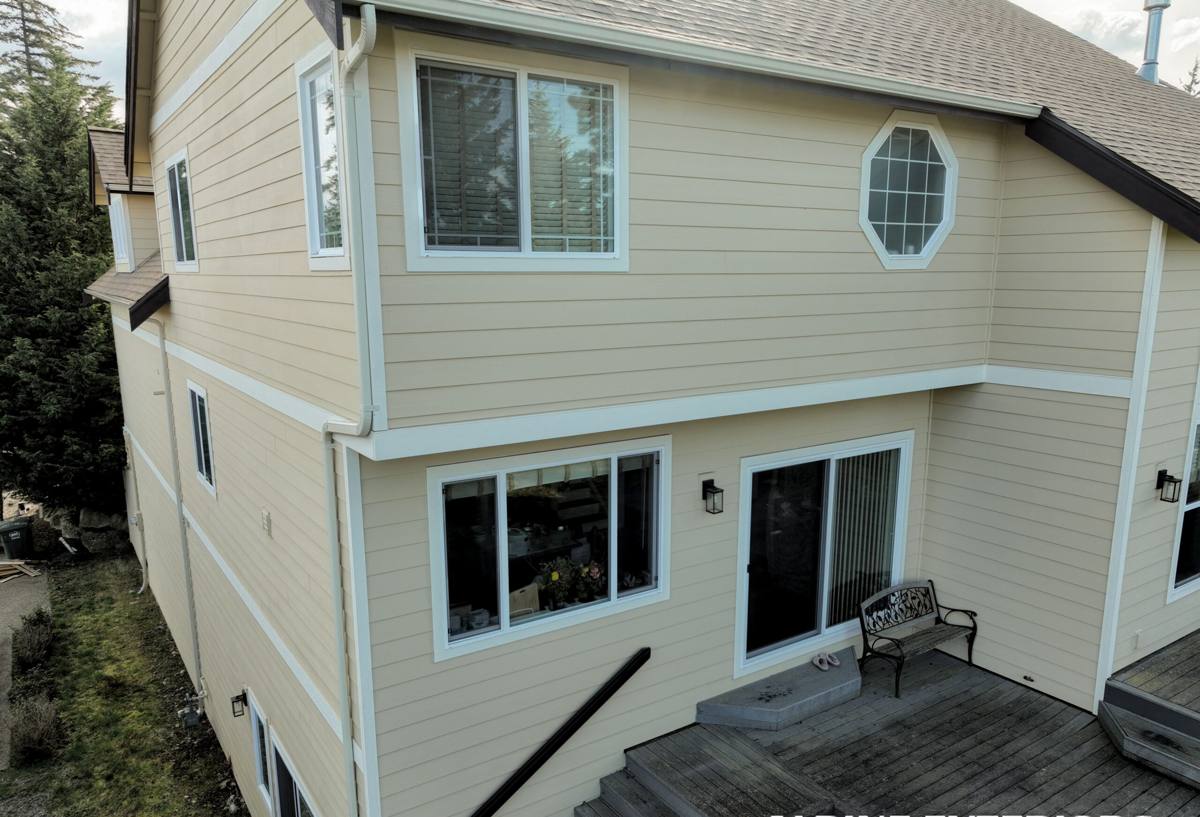
What Salt Air, Rain, and Moss Actually Do to a Deck
Salt Air and Metal Fasteners
Proximity to saltwater accelerates corrosion in any exposed metal — nails, screws, joist hangers, and railing hardware. Standard hot-dip galvanized fasteners can hold up fine inland but corrode faster in a marine air environment like Port Gardner's. Once a fastener starts rusting, it loses holding strength long before it looks obviously bad, which is part of why deck failures here often surprise homeowners.
Driving Rain and Ledger Board Rot
The ledger board — where the deck attaches to the house — is the single most common failure point we find, and driving rain is usually the cause. Wind-driven rain pushes water sideways into the joint between deck and siding, and if the original flashing was undersized, missing, or installed before current best practices, water works its way in behind the ledger year after year. By the time it shows on the surface, the framing behind it has often been wet for a long time.
Moss, Algae, and Trapped Moisture
A long, damp moss season does two things: it holds moisture against the decking surface for months at a stretch, and it makes boards slick and slower to dry between rains. Moss between deck boards or in the gaps around framing keeps wood wet long after a storm passes, which is exactly the condition that lets rot get started. It's a slow process, which is why moss damage tends to get dismissed as cosmetic until it isn't.
Signs Your Port Gardner Deck Needs Attention
Some of these are obvious once you know to look for them. Others take a closer inspection to catch before they become a safety issue.
- Soft, spongy, or springy decking boards, especially near the house or along the rim
- Any movement or bounce at the railing when you lean on it
- Gaps, staining, or peeling paint where the deck meets the siding — a sign the ledger flashing may be compromised
- Persistent moss or algae growth that returns quickly after cleaning
- Popped, rusted, or discolored fastener heads on the deck surface
- Visible daylight or gaps at joist hangers when viewed from underneath
- Stairs that feel less solid than they used to, particularly at the stringer connections
- A general sense that a section of the deck "gives" more than it used to
Any one of these on its own might be minor. Two or three together, especially near the ledger, usually mean it's worth a proper look before the next wet season.
Repair or Replace? What Actually Decides It
Homeowners often assume a deck with visible problems needs full replacement. Just as often, the opposite happens — a deck that looks fine on the surface has a ledger or framing issue that no amount of surface repair will fix. The honest answer depends on where the damage is and how far it's spread.
| Factor | Repair Usually Makes Sense | Replacement Usually Makes Sense |
|---|---|---|
| Decking boards | Isolated soft spots or a few damaged boards | Widespread rot or warping across most of the surface |
| Ledger board | Flashing failure caught early, framing behind it still sound | Ledger and adjacent rim joist both compromised |
| Framing/joists | One or two joists affected, rest test solid | Rot has spread through multiple structural members |
| Railings and posts | Loose connections, corroded hardware | Posts rotted at the base or undersized for current code |
| Age of structure | Under 15-20 years, built to a reasonable standard | Older deck built to outdated framing or attachment methods |
We won't push a full rebuild when a targeted repair will genuinely hold up, and we won't patch over a structural problem just to keep the job smaller. We'll tell you which situation you're in and why.
What a Correct Deck Repair Involves
Structural Framing and Ledger Connection
Any repair worth doing starts by checking what's underneath, not just what's on top. That means pulling a few boards if needed to inspect the joists, checking the ledger-to-house connection for proper flashing and fasteners, and confirming the framing that will carry the rest of the deck's life is actually sound. Repairing decking over a compromised ledger just hides the real problem.
Fasteners and Flashing
Given the salt air in Port Gardner, fastener selection matters more here than it would twenty miles inland. We use corrosion-resistant fasteners and hardware rated for the exposure, and where the deck meets the house, proper flashing — installed to actually shed water away from the ledger, not just cover the gap — is non-negotiable.
Decking Boards and Railings
Once the structure is confirmed sound, replacing damaged decking and hardware is the more straightforward part of the job. We match board spacing and fastening to allow for drainage and airflow underneath, which matters a lot in a climate where boards rarely get a long stretch to fully dry out.
Our Process, Start to Finish
- Inspection. We look at the deck from above and, where accessible, from underneath — checking the ledger, framing, fasteners, and drainage, not just the visible surface.
- Honest assessment. You get a clear picture of what's actually wrong, what's driving it, and whether repair or replacement is the right call for that section.
- Scope and estimate. A written plan covering what gets replaced, what materials and fasteners we're using, and why, with no vague allowances.
- Repair work. Structural issues get addressed first, then flashing and fastening, then decking, railings, and stairs as needed.
- Cleanup and walkthrough. We clear debris and walk the finished repair with you so you know what was done and what to watch for going forward.
Materials and Methods We Rely On
For fasteners and structural hardware, we lean toward corrosion-resistant options suited to a marine-influenced climate rather than standard-grade hardware that's fine in drier parts of the state but wears faster here. For flashing at the ledger, we prioritize products and installation methods that actually direct water away from the house rather than just bridging the gap, since that connection is where we see the most repeat failures.
On decking material, both wood and composite have a place depending on the homeowner's priorities and the deck's exposure. Wood costs less upfront but needs more consistent maintenance — cleaning, sealing, and moss control — to hold up through a long wet season. Composite costs more initially and needs less upkeep, but it still depends entirely on the framing and flashing underneath being done right; no decking material fixes a bad ledger connection. We'll walk through the real trade-offs for your specific deck rather than defaulting to whichever product is easiest to sell.
Why a Crew That Already Works Port Gardner Matters
Deck problems here follow patterns that aren't identical to what you'd see on a deck in a drier, more inland part of Snohomish County. A crew that's worked this area knows to check the ledger flashing first, knows which fastener grades actually hold up against the salt air, and doesn't need to relearn the local moss and drainage issues on your project. That familiarity shows up as fewer surprises mid-job and a repair that's built for the conditions it will actually face, not generic ones.
It also means we're not guessing at what "normal" looks like for a deck in this neighborhood. A ledger that would raise no concern in a dry inland climate might already be showing early signs of trouble here, and knowing the difference is part of what an honest inspection depends on.
Keeping a Repaired Deck Sound Through the Next Wet Season
A good repair buys you years, but a little seasonal attention protects that investment, especially given how long the wet and mossy stretch runs in this area.
- Clear leaves and debris from between boards before fall rains set in
- Treat moss growth early rather than letting it establish over winter
- Check the ledger flashing area annually for staining or gaps
- Keep gutters and downspouts near the deck clear so runoff isn't directed at it
- Re-seal or re-stain wood decking on the manufacturer's recommended schedule, not "when it looks bad"
- Tighten or replace any hardware showing early corrosion before it fails
If you're noticing any of the warning signs above, or just want a straight answer on whether your deck needs a repair or a closer look, we're happy to come take a look. The estimate is free, there's no pressure, and you'll get an honest read on what's actually going on before you decide anything.