 Everett
 Windows in a Salt-Air, High-Rainfall Neighborhood
Port Gardner sits close enough to the water that homes here take on a different kind of weather load than houses further inland in Snohomish County. Salt-laden air moves through window hardware and metal components faster than it does even a few miles away. Driving rain off Port Gardner Bay hits window walls at an angle, not just straight down, which means water finds its way into gaps that would stay dry on a more sheltered lot. And the long stretch of grey, wet months every year keeps everything — siding, trim, window sills — damp for weeks at a time, which is exactly the condition moss and mildew need to take hold.
None of that makes window installation here impossible or exotic. It just means the details that get skipped on an easy job in a dry climate are the details that actually matter in Port Gardner. Flashing, sealant choice, drainage paths, and frame material all need to be picked and installed with this specific exposure in mind, not treated as an afterthought.
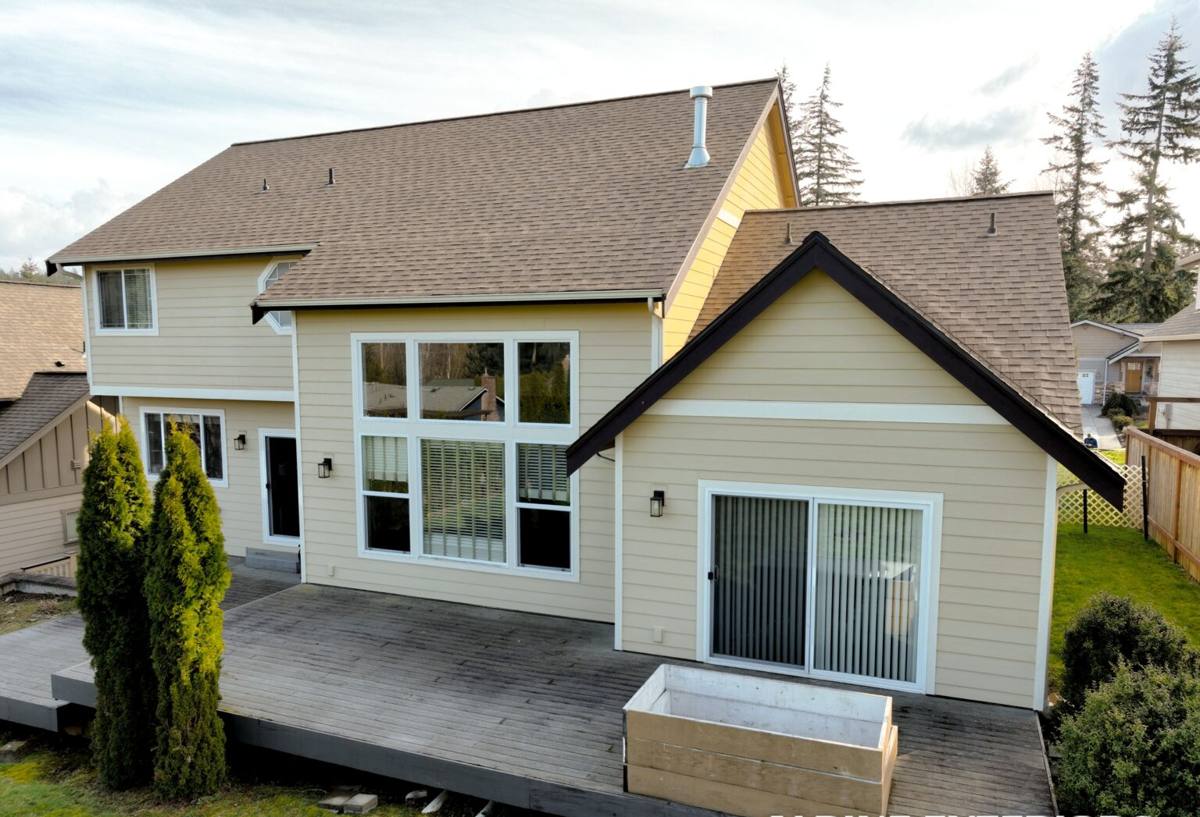
How Local Conditions Show Up as Window Problems
Signs the Window Itself Is Failing
- Fogging or a milky haze between the panes of a double- or triple-pane unit — the seal has broken and the gas fill is gone
- Soft or spongy wood at the sill or bottom corners of the frame
- Windows that are noticeably harder to open, close, or lock than they used to be
- Visible daylight or a draft you can feel with your hand along the frame edge
- Paint that keeps bubbling or peeling at the same spot no matter how often it's redone
- Moss or dark green staining building up on the sill or the trim just below the window
Signs It's the Installation, Not the Window
Sometimes the glass unit is fine but the way the window was originally set is the actual problem. Water staining on interior drywall below a window, a musty smell in that corner of the room, or rot showing up in the wall cavity behind the frame usually point to a flashing or sealing failure rather than a worn-out window. Replacing the glass alone in that situation just repeats the mistake — the water intrusion path stays open.
What a Correct Installation Actually Involves
A window installation is really a small waterproofing project with a window in the middle of it. In a location like Port Gardner, where wind-driven rain is a regular event rather than an occasional storm, every layer has to do its job.
The Order That Has to Be Right
- Remove the old window and inspect the rough opening for hidden rot, soft framing, or previous water damage before anything new goes in
- Repair or rebuild any damaged framing — installing a new window into a compromised opening just hides the problem behind new trim
- Install flashing at the sill, jambs, and head in the correct shingle-style order so water is always directed outward and down, never trapped behind the window
- Set the window plumb, level, and square, then shim and fasten it per the manufacturer's specifications
- Seal the exterior with the right sealant for the surface and exposure, and insulate the gap between the frame and rough opening on the interior side
- Finish trim and touch-up work so the exterior envelope is fully closed again
Skip or rush any one of those steps and the window can look fine on installation day while still leaking within a season or two — especially once the fall rains start.
Materials and Fasteners That Hold Up Near Salt Air
Not every fastener or flashing product is meant for a marine-influenced environment. Standard steel screws and uncoated flashing corrode faster near Port Gardner than they would twenty miles inland. We install stainless or coated fasteners and use flashing materials rated for coastal exposure, because replacing corroded hardware in five years costs more than choosing the right material once.
Choosing the Right Window for This Location
There's no single "best" window material — the right choice depends on your home's exposure, your budget, and how much upkeep you want to take on. Here's how the common options compare for a Port Gardner setting specifically.
| Frame Material | How It Handles Salt Air & Rain | Maintenance |
|---|---|---|
| Vinyl | Won't rust or corrode; performs well in coastal air | Low — occasional cleaning of tracks and weep holes |
| Fiberglass | Very stable, resists warping from repeated wet/dry cycles | Low — durable finish, minor cleaning |
| Aluminum | Strong but prone to corrosion and condensation near salt air unless thermally broken | Moderate — watch for pitting and corrosion over time |
| Wood (clad or unclad) | Handsome look, but exposed wood is vulnerable to the region's constant moisture | High — regular painting/sealing, more failure points at the sill |
For most Port Gardner homes, vinyl or fiberglass frames end up being the more practical long-term choice because they don't give the constant moisture anything to work with. If you have wood-frame windows now, or want the look of wood, we'll walk through what upkeep that actually requires here before you commit, rather than let it turn into a maintenance headache in a few years.
Glass Packages Worth Considering
Everett's weather isn't the punishing cold of the Midwest, but the region does get real value out of a good glass package — mainly for comfort, energy costs, and condensation control on the long, damp stretches of the year.
- Double-pane, low-E glass — the standard, solid choice for most homes and budgets in this climate
- Triple-pane — worth it for rooms facing the water or prevailing wind, or for homeowners prioritizing quiet and energy performance
- Argon or krypton gas fill — improves insulation value without changing how the window looks
- Warm-edge spacers — reduce condensation forming at the edge of the glass during cold, humid mornings
Our Process for a Port Gardner Window Job
We start with an in-person visit, not a phone estimate, because window pricing depends on things you can only see up close — the condition of the existing frames, whether there's hidden rot, the number and size of openings, and access. From there:
- We measure every opening and note any framing repairs that will be needed before the new window goes in
- We go over material and glass options honestly, including trade-offs, so you're picking based on your home and budget, not a sales script
- We give you a clear, written estimate before any work starts
- We schedule around the weather where we can, since sealants and some flashing products need dry conditions to cure properly
- We protect your landscaping and interior during the install and clean up thoroughly each day
- We walk the finished job with you before we consider it done
Why a Crew That Already Works This Area Matters
A contractor who works Everett and the surrounding Snohomish County waterfront neighborhoods regularly has already seen how houses in this specific exposure age — which sills fail first, where moss builds up fastest, which fastener choices hold up and which don't. That's not something you get from a general contractor who occasionally takes a job near the water. It shows up in small decisions: the flashing detail at a sill facing the prevailing wind, the sealant chosen for a shaded north-facing wall that never fully dries out, the fastener spec that won't be pitted with corrosion in three years. Those are exactly the calls that determine whether a window installation is still watertight a decade from now or leaking again in two winters.
Living With Your New Windows in a Wet Climate
A properly installed window is close to maintenance-free, but a little seasonal attention keeps it that way — especially heading into the wetter months.
- Clear debris and moss from window sills and weep holes before fall rains pick up
- Check and clean tracks on operable windows so they continue to seal and lock properly
- Look at exterior caulking annually and have any cracked or shrunken sealant redone before it fails
- Wipe down interior sills during cold snaps if you notice condensation building up
- Keep gutters and downspouts clear so runoff isn't sheeting directly down over window heads
If you're weighing whether to repair, reseal, or fully replace the windows in your Port Gardner home, we're happy to take a look and give you a straight answer — including telling you if replacement isn't actually necessary yet. Reach out for a free, no-pressure estimate using the form below.