 Everett
 Deck Building in Riverside: Built for Where You Actually Live
Riverside sits close to the Snohomish River and the moisture that comes with it. Between the river humidity, the marine air pushing in off Puget Sound, and Everett's long, wet fall-through-spring stretch, decks in this neighborhood take on a different kind of punishment than a deck in a drier inland town. Wood stays damp longer here. Moss and algae get a head start earlier in the season and hang on later. Fasteners see more cycles of wet-to-dry swelling. None of that means a deck can't last decades in Riverside — it means it has to be built with that reality in mind from the first stringer to the last board.
This page is about deck building specifically for Riverside homes, not a generic overview of decks in general. If you're comparing bids or just trying to understand what a correct build looks like out here, the details below are the ones that actually matter for this part of Everett.
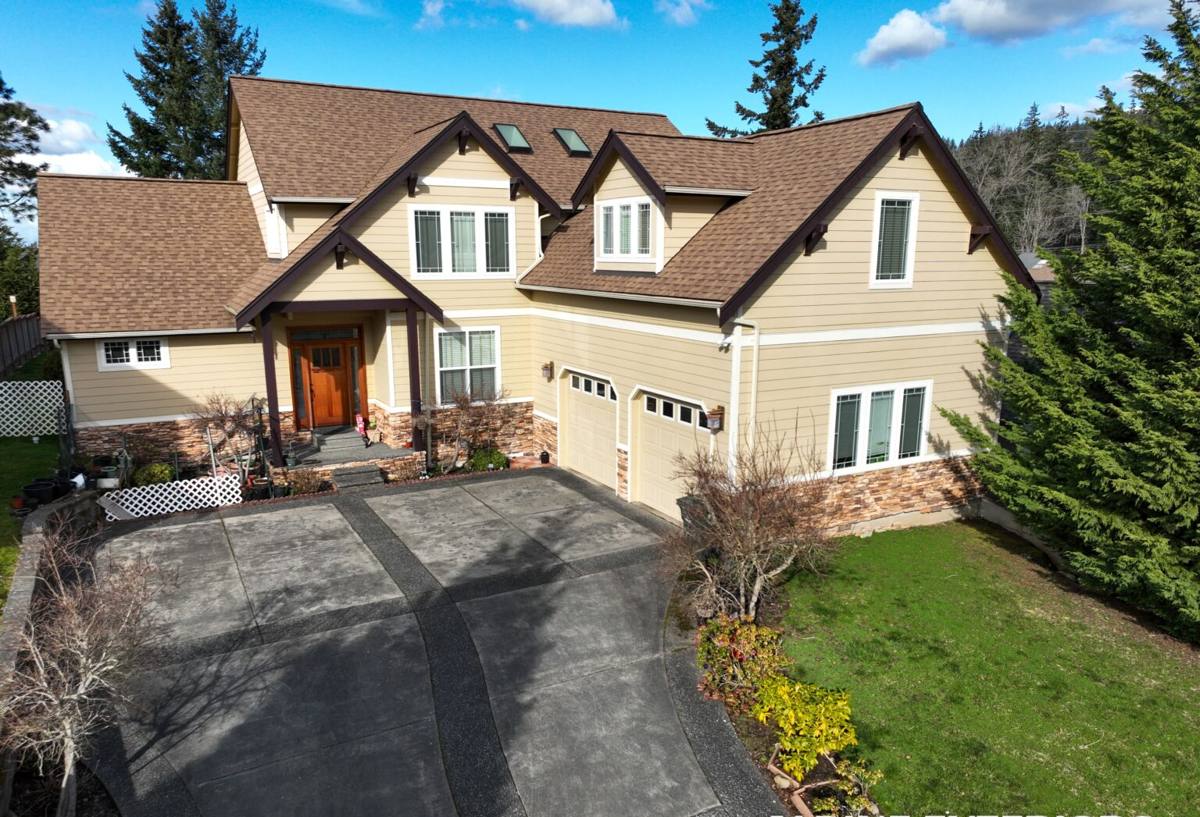
What Riverside's Climate Does to a Deck Over Time
A few local conditions show up again and again on decks we look at in this area:
- Persistent moisture at ground level. Proximity to the river and low-lying yards mean the ground under and around a deck often stays damp longer than in higher, drier parts of Everett — which matters for post footings, ledger flashing, and anything close to grade.
- Salt-tinged marine air. Even set back from the water, Everett gets salt-laden air off the Sound. Over years, that air accelerates corrosion on unprotected fasteners, brackets, and any hardware that isn't rated for coastal exposure.
- Driving rain, not just vertical rain. Storms here often come with wind, which pushes water sideways into ledger connections, stair stringers, and any gap where flashing or sealant is doing less than it should.
- A long moss and algae season. Shaded, moisture-retentive surfaces in Riverside's tree cover start growing moss earlier in fall and keep it later into spring than sites in full sun. On decking, that means slicker surfaces and boards that stay wet longer between rain events, which accelerates wood decay and coating breakdown.
Individually, none of these is dramatic. Stacked together over a Snohomish County winter, they're exactly why "good enough" fastener choices, skipped flashing, or the wrong decking material on the wrong deck show up as real problems within a few years instead of a few decades.
Where We See the Damage First
On decks that were built without accounting for local conditions, the first failures are almost always in the same handful of places: the ledger-to-house connection, the post bases where wood meets concrete or ground contact, fastener heads exposed to weather, and any low, shaded corner where moss gets a foothold and water doesn't drain away quickly. A correctly built deck addresses every one of these on purpose, not by accident.
What a Correctly Built Deck Involves Here
Ledger Attachment and Flashing
The ledger board — where the deck attaches to the house — is the single most important structural and moisture detail on any deck, and it's the one most often shortcut. In a climate with driving rain, proper ledger flashing (not just caulk) is what keeps water from working its way behind the siding and into the rim joist over time. We flash this connection to shed water outward, away from the house structure, every time — it's not an upgrade, it's the baseline.
Footings and Post Bases
Given how damp ground stays in low-lying parts of Riverside, footing depth and post base detailing matter more here than in drier areas. Posts need to be held up off concrete and out of standing water with proper post bases, not set directly into wet soil or resting flush on a footing where water can pool against the wood.
Fasteners and Hardware
This is where a lot of decks quietly fail early. Standard fasteners corrode faster in marine air, and once a fastener starts rusting, it weakens the connection and stains the wood around it. We use fasteners and structural hardware rated for coastal/exterior exposure — the cost difference over the life of the deck is small compared to what it costs to fix corroded connections later.
Decking Material Choice
There's no single "best" decking material for every Riverside yard — it depends on sun exposure, budget, and how much upkeep you want to do. Here's how the common options actually compare under this area's moss-prone, wet conditions:
| Material | How it handles moss/damp shade | Maintenance | Typical lifespan |
|---|---|---|---|
| Pressure-treated wood | Needs regular cleaning and sealing to resist moss and rot in shaded spots | Annual cleaning, periodic sealing/staining | 10-15+ years with upkeep |
| Cedar | Naturally rot-resistant but still grows moss in deep shade without cleaning | Periodic cleaning and sealing to hold color and resist decay | 15-20 years with upkeep |
| Composite decking | Won't rot, but moss and algae can still grow on the surface film in shaded, damp areas | Occasional washing; no sealing or staining | 25-30 year manufacturer warranties, varies by product |
Composite has become popular in shaded, moisture-heavy yards specifically because it removes the rot risk — but it isn't maintenance-free. Surface moss and algae still need washing off periodically, and not every composite handles standing moisture at board ends and cut edges equally well. We'll walk through the real trade-offs for your specific yard and sun exposure rather than pushing one product across the board.
Drainage and Grading Underneath
What happens under the deck matters as much as what happens on top. In low or shaded Riverside yards, water that pools under a deck keeps the framing damp long after the surface has dried, which accelerates decay in structural members you can't see. Proper grading, gapping, and airflow underneath are part of a correct build, not an afterthought.
Our Process for a Riverside Deck Project
- On-site assessment. We look at your yard's sun exposure, drainage, soil conditions, and how close you are to shaded or low-lying ground — all of which shape material and structural recommendations.
- Design and material selection. We walk through decking, railing, and structural options honestly, including cost and maintenance trade-offs for your specific site.
- Permitting. Deck permitting requirements vary by structure height, size, and attachment method. We handle the permit process so the project meets Everett's requirements.
- Framing and structural work. Footings, posts, ledger flashing, and joist framing are built to hold up under sustained moisture exposure, not just to pass initial inspection.
- Decking, railing, and finish work. Surface material is installed with attention to fastener placement, board spacing for drainage, and edge details that resist moss buildup.
- Walkthrough and maintenance guidance. We explain what upkeep your specific decking material actually needs in this climate — not generic advice, but what applies to your yard's shade and drainage.
Repair, Replace, or Rebuild?
Not every deck problem in Riverside means a full rebuild. Here's a general way to think about it:
- Surface-level moss, graying, or minor board wear — often addressed with cleaning, spot repairs, and resealing if the structure underneath is sound.
- Soft spots, visible rot at the ledger or posts, or rusted fasteners — usually points to a structural repair, and it's worth having someone check the framing before it gets worse, since damp climates let rot spread out of sight.
- Undersized original framing, missing flashing, or a deck that was never built to current standards — often makes more sense to rebuild than to keep patching, especially if repairs would be temporary fixes on a structure with a deeper problem.
If you're not sure which category your deck falls into, that's a normal thing to have looked at before deciding on repair versus replacement.
A Homeowner's Deck Maintenance Checklist for This Climate
- Clean surface moss and algae buildup at least once a year, more often in shaded areas
- Check fastener heads and hardware for early rust or staining
- Inspect the ledger flashing and caulk line where the deck meets the house
- Make sure gaps between boards aren't clogged with debris that traps moisture
- Look underneath periodically for standing water or damp framing
- Reseal wood decking on the manufacturer's recommended schedule, not just when it looks faded
- Trim back vegetation that's shading the deck and keeping it wet longer than necessary
Why a Crew That Already Works Riverside Makes a Difference
A deck built to a generic national spec sheet isn't automatically wrong — but it's often missing the details that matter for this specific stretch of Snohomish County. A crew that regularly works in Riverside already knows which yards drain poorly, how far the salt air reaches inland in different pockets of the neighborhood, and which decking products actually hold up against the local moss season versus which ones just look good on a showroom sample. That familiarity shows up in decisions you won't necessarily see on a quote — flashing details, hardware grade, footing depth — but that determine whether your deck is still solid in fifteen years or needs major repair in five.
If you're planning a new deck, replacing an aging one, or just want an honest read on whether your current deck needs repair or replacement, we're happy to take a look. Reach out for a free, no-pressure estimate using the form below.