 Everett
 Storm Damage Roof Repair for Silver Lake Homes
Silver Lake sits in south Everett, tucked among mature trees and quiet residential streets that ring the lake itself. That setting is part of what makes the neighborhood pleasant to live in, and it's also exactly why roofs here take a specific kind of beating. Tree cover keeps roof surfaces shaded and slow to dry after a storm, wind funnels differently around the water than it does a few miles inland, and the same Puget Sound weather pattern that soaks the rest of Snohomish County drops rain here in long, low-pressure stretches rather than quick downpours. After a wind event or a hard winter storm, we get calls from Silver Lake homeowners who noticed a stain on a ceiling, a shingle in the yard, or water pooling somewhere it never used to. This page covers what storm damage actually looks like on roofs in this part of Everett, what a correct repair involves, and how we handle the job from first call to final cleanup.
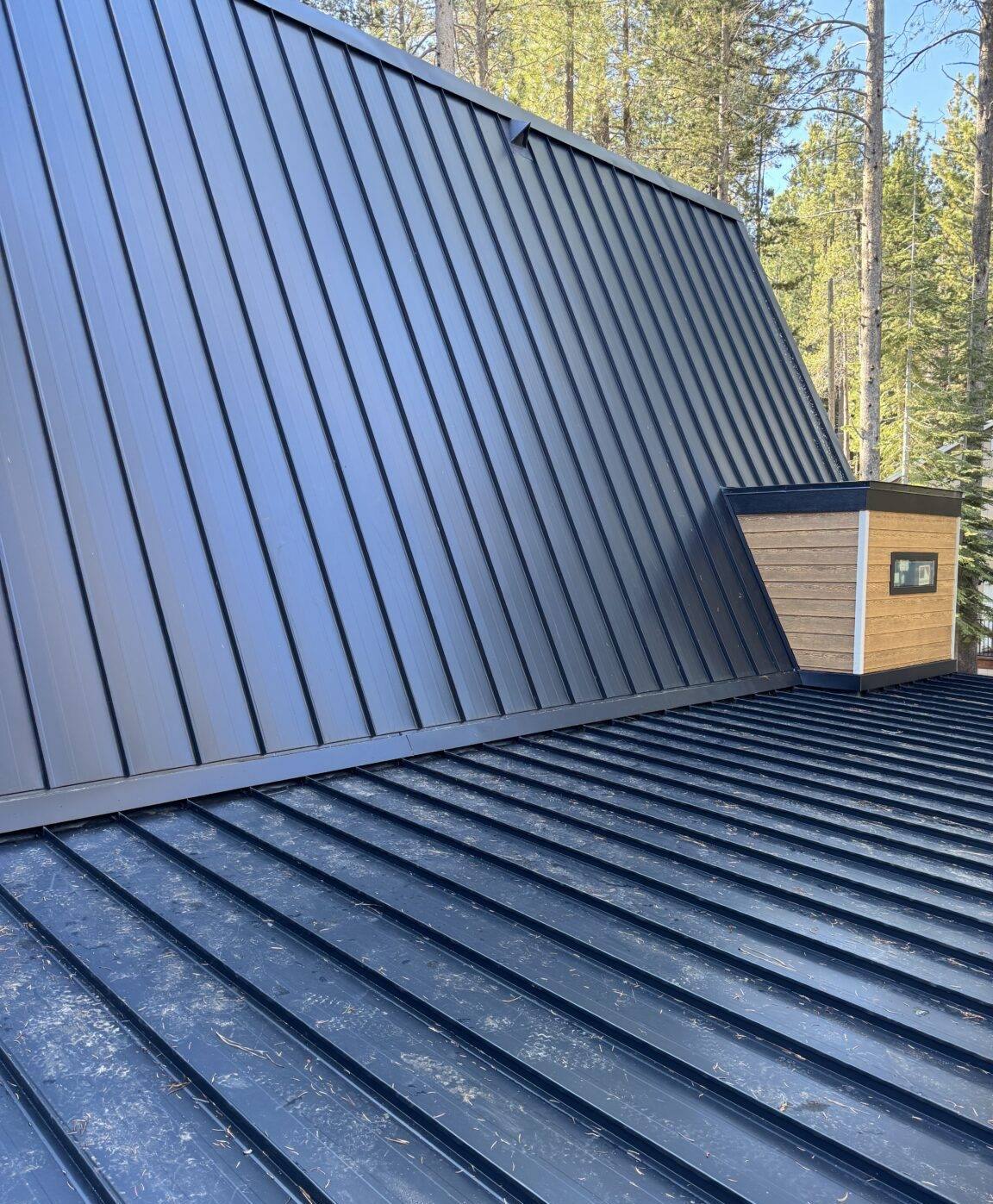
Why Silver Lake Roofs Take a Different Kind of Beating
Three things drive most of the storm-related roof calls we get from this neighborhood:
Tree cover and moss season
Shaded roof sections around Silver Lake stay damp longer after every storm, and that moisture is exactly what moss needs to get established. Once moss takes hold along shingle edges and in valleys, it lifts tabs, holds water against the roof deck, and turns a minor storm into a real leak risk because the roof was already compromised before the wind and rain showed up.
Wind behavior around the lake
Open water and clearings around the lake change how wind moves compared to a fully built-up block. We see uneven damage patterns here — one side of a roof stripped of shingles while the other looks untouched — more often than on roofs in denser parts of Everett.
Sustained regional rain
Snohomish County's rainy season isn't just heavy, it's long. Roofs that could shrug off an occasional hard rain start to fail at their weak points — old flashing, worn boots, marginal seals — when they're wet for days or weeks at a stretch. Salt-tinged air off Puget Sound adds slow corrosion to metal flashing and fasteners over the years, which is a factor across greater Everett and one more reason storm damage here often reveals a problem that had already been building.
Common Storm Damage We Find on Silver Lake Roofs
- Wind-lifted or missing shingles — usually starting at ridges, edges, or the side of the roof most exposed to open wind near the lake.
- Moss and algae damage — lifted tabs, granule loss, and soft spots where moss has held moisture against the roof for a season or more.
- Flashing failures — around chimneys, skylights, and roof-to-wall transitions, where wind-driven rain finds the smallest gap.
- Gutter and drainage overflow — tree debris from the storm clogs gutters, water backs up under the roof edge, and it shows up as damage to fascia or soffit.
- Impact damage from falling limbs — punctures or cracked shingles from branches that come down in wind, common on tree-lined streets around the lake.
- Interior leak evidence — ceiling stains, damp attic insulation, or musty smells that show up days after a storm, once water has had time to travel.
What a Correct Storm Damage Repair Actually Involves
Storm damage repair is easy to do halfway — patch the visible spot, collect payment, move on. Done right, it's a smaller list of steps done thoroughly rather than a large list done fast.
A real inspection, not just the obvious spot
We check the whole roof, not just where the homeowner spotted a problem. A single missing shingle is often a sign the surrounding field was also lifted and re-seated by wind, even if it looks fine from the ground.
Checking what's underneath
Underlayment and roof decking take the real hit when shingles fail. If water reached the deck, that has to be addressed before new shingles go back down — covering a wet or soft deck with new material just hides the problem.
Matching materials correctly
Shingle color and profile change over the years, and a mismatched patch stands out and can affect how well it seals against the surrounding material. We match as closely as the existing product line allows and are upfront when an exact match isn't possible.
Flashing and seals, not just shingles
Most leaks we trace back start at flashing, not the shingle field. A proper storm repair includes re-sealing or replacing flashing at vulnerable points, not just swapping damaged shingles and calling it done.
Cleanup that actually protects the roof
Removing moss and debris as part of the repair — not just patching around it — matters in a shaded neighborhood like Silver Lake, where regrowth is fast if the underlying moisture problem isn't addressed.
Our Process, Start to Finish
- Call or estimate request. Tell us what you noticed — a visible shingle issue, a leak, or just "we had a bad storm and want it checked."
- On-site inspection. We walk the roof and the attic where accessible, looking for both storm damage and any pre-existing conditions the storm exposed.
- Written estimate. You get a clear scope of work and price before anything happens — no vague verbal quotes.
- Repair scheduling. We work around weather windows, since roof repair needs a dry stretch to be done correctly.
- The repair itself. Deck check, flashing work, matched materials, and moss/debris removal as needed — not just a shingle swap.
- Final walkthrough. We show you what was done and what to watch for going forward.
Repair vs. Replacement: How We Make the Call
Not every storm-damaged roof needs to be replaced, and not every roof that looks fine from the ground is actually a good repair candidate. We base the recommendation on the roof's overall condition, not just the storm damage in front of us.
| Factor | Repair usually makes sense | Replacement usually makes sense |
|---|---|---|
| Roof age | Well within its expected service life | Already near or past typical lifespan for the material |
| Extent of damage | Localized to one area or slope | Spread across multiple sections or the whole roof |
| Deck condition | Solid, dry decking under the damaged area | Soft, rotted, or repeatedly wet decking |
| Moss/algae history | Minor, addressed as part of the repair | Long-term moss damage across large sections |
| Prior repairs | First real issue on an otherwise sound roof | Roof has a pattern of recurring leaks and patches |
Insurance and Storm Claims: What to Know Going In
Many storm-related roof repairs are covered by homeowners insurance, but coverage depends on your specific policy and the cause of damage — that's between you and your insurer, and we're not the ones to promise a claim outcome. What we can do is document the damage clearly with a written inspection and photos, and give you an honest, itemized estimate you can bring to your adjuster. We'll also tell you plainly if what we're looking at is wear and moss buildup rather than storm damage, because that distinction usually matters for a claim.
Why a Crew That Already Works Silver Lake Matters
A roofer who works this neighborhood regularly already knows the pattern: which sides of a roof around the lake tend to catch the worst wind, how fast moss comes back under tree cover here, and what a normal amount of storm wear looks like versus a roof that's actually failing. That local familiarity means faster, more accurate inspections and fewer surprises mid-repair. It also means we're not driving in from across the county for a callback if something needs a second look after the next storm — we're already working in the area.
Reducing Damage From the Next Storm
Storm damage repair fixes what already happened. A few habits reduce how much the next storm does:
- Clear gutters and downspouts before the fall rains start, especially under tree cover.
- Have moss removed and treated before it spreads rather than after tabs start lifting.
- Trim branches that overhang the roof so falling limbs have less to hit.
- Check attic insulation for dampness after any major storm, even without a visible ceiling stain.
- Get flashing around chimneys and skylights inspected every couple of years — it fails quietly.
- Walk the exterior after high-wind events and note anything on the ground that came off the roof.
If a recent storm left you with a missing shingle, a stain on the ceiling, or just a nagging feeling something's not right up there, we're glad to take a look. Request a free, no-pressure estimate using the form below and we'll get a real answer, not a guess.