 Everett
 Windows Built for the Way Eastmont Weather Actually Behaves
Eastmont homes sit close enough to Puget Sound and the Snohomish River valley to catch a steady mix of salt-tinged air, wind-driven rain, and the long gray stretch of moss season that runs from fall through spring. None of that is dramatic on its own, but it adds up. Window installation in this part of Everett isn't just about picking a style and setting it in the opening — it's about managing moisture at every seam, every year, for decades. A window that's perfect for a dry inland climate can fail here in five years if it's installed the way you'd install it somewhere else.
We install windows across Snohomish County, but Eastmont has its own quirks worth understanding before you sign off on a job: mixed housing stock from different building eras, a lot of original single-pane or early dual-pane windows still in service, and siding and trim details that were often not built with today's flashing standards in mind.
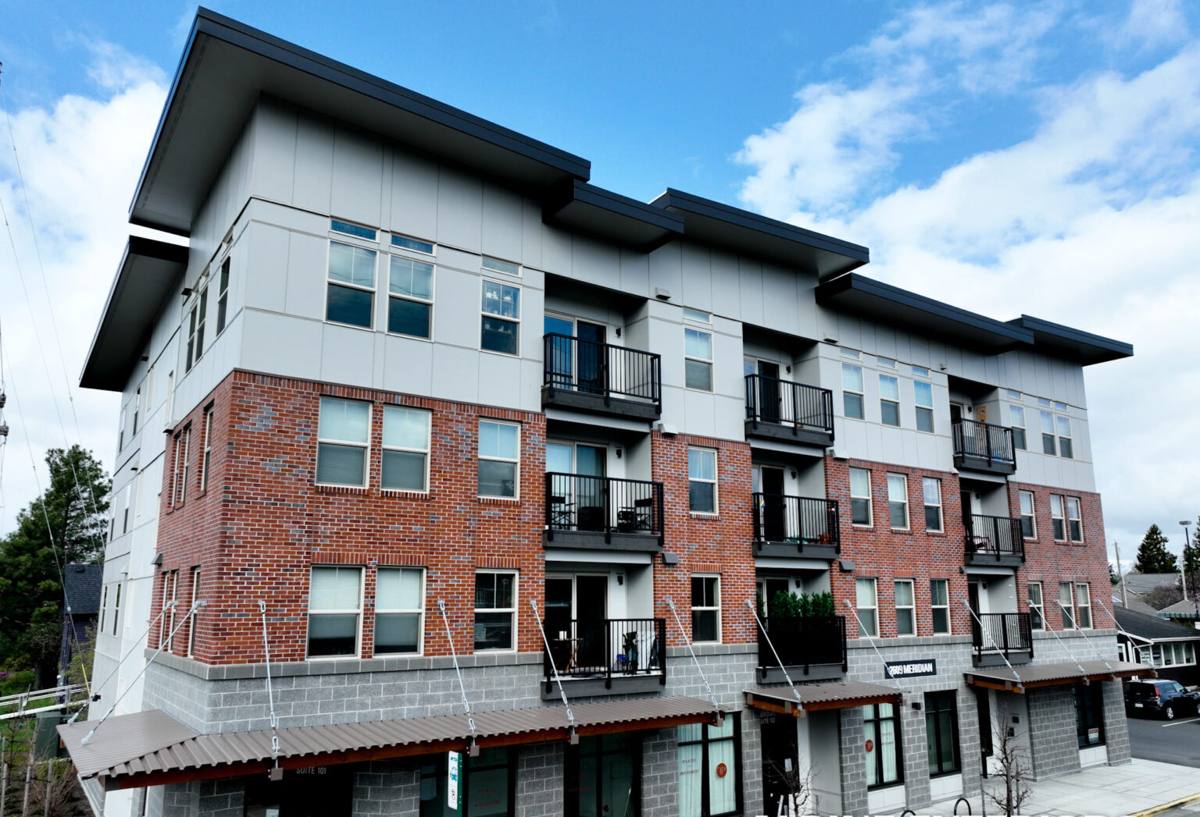
What Everett's Climate Does to a Poorly Installed Window
Snohomish County gets a lot of rain, but it's the combination of wind and rain — driving rain that hits window openings at an angle instead of falling straight down — that causes most of the damage we see. A window itself can be well made and still let water in if the flashing, sealant, or sill pan wasn't done correctly.
The failure pattern we see most often
- Water gets behind the exterior trim through a gap in flashing or a bead of caulk used as the only water barrier
- It travels down inside the wall cavity instead of running back out, since there's no drainage path
- Sheathing and framing around the rough opening stay damp for months at a time during our wet season
- Rot sets in quietly — often not visible until paint starts bubbling, drywall stains, or the window itself starts to swell and stick
- Moss and algae on nearby siding and trim hold extra moisture against the wall longer than clean, dry surfaces would
By the time a homeowner notices a soft spot on the interior sill or a musty smell near a window, the damage is usually already a few years old. This is why installation method matters as much as the window product itself.
What a Correct Window Installation Involves Here
A proper install in a wet coastal climate like Everett's follows a "water will get in eventually, so give it somewhere to go" philosophy, rather than relying on sealant alone to keep water out forever. Caulk degrades, shifts, and cracks with age and temperature swings — it should be a backup layer, not the only layer.
Our process, step by step
- Remove the old window and inspect the rough opening for hidden rot, soft framing, or prior water damage before anything new goes in
- Repair or replace damaged framing and sheathing if we find it — this is non-negotiable, since a new window over rotten framing just hides the problem
- Install a sloped sill pan so any water that does get past the window has a built-in path to drain back outside instead of pooling on the sill
- Apply flashing tape and housewrap integration in the correct shingle-lap order — bottom, sides, then top — so water is always directed downward and outward, never trapped behind a layer above it
- Set the window plumb, level, and square, checking reveal gaps evenly on all sides before final fastening
- Insulate the gap between the window frame and rough opening with a low-expansion foam or backer rod, avoiding over-filling that can bow the frame
- Seal the exterior with a compatible sealant rated for the trim and siding material, then finish trim and paint or caulk lines to match existing details
Every one of these steps matters more in Everett than it would in a drier climate, because there's simply more moisture testing every weak point, more often, for more months of the year.
Choosing Window Materials for a Salt Air, Rain, and Moss Climate
There's no single "best" window material for every home — the right choice depends on your home's age, exposure, and budget. What we can tell you honestly is how each common option tends to hold up in our specific conditions.
| Material | How it handles our climate | Maintenance considerations |
|---|---|---|
| Vinyl | Resists moisture and salt air well; won't rot or corrode | Low maintenance; watch for seal degradation at seams over time |
| Fiberglass | Very stable in temperature swings and damp conditions; strong seal retention | Higher upfront cost; minimal upkeep needed |
| Wood (clad or unclad) | Attractive but higher risk near salt air and constant moisture unless well maintained | Needs regular inspection and refinishing of any exposed wood surfaces |
| Aluminum | Prone to condensation and thermal transfer in our cool, damp climate unless thermally broken | We generally steer homeowners away from non-thermally-broken aluminum here |
For most Eastmont homes, we recommend vinyl or fiberglass frames because they hold up to the freeze-thaw cycles, humidity, and salt exposure common in this part of Snohomish County with the least long-term maintenance. That's a practical recommendation based on how these materials behave in wet coastal climates — not a knock on wood-frame windows, which can absolutely work well on a home where the eaves provide good coverage and the owner is committed to upkeep.
Why Moss Season Matters More Than People Expect
Moss and algae growth on north-facing and shaded walls is a normal part of life in this region, but it plays a role in window performance that often gets overlooked. Moss holds moisture against siding and trim for extended periods, which means the wall assembly around a window can stay damp longer than it would on a sun-exposed wall. Over years, that constant low-level moisture exposure accelerates wear on caulk lines, trim paint, and any weak points in the flashing system.
When we install windows on shaded or north-facing walls, we pay extra attention to drainage detailing and use sealants and flashing tapes rated for prolonged moisture contact, not just occasional rain exposure.
Signs an Eastmont Home's Windows Need Attention
Not every window issue means full replacement — sometimes it's a sign that reinstallation, resealing, or targeted repair around the opening is the right fix. Here's what we look for during an assessment:
- Visible gaps, cracked caulk, or daylight around the window frame from the interior
- Fogging or moisture between panes on dual-pane units, which signals a failed seal
- Soft or discolored wood on the interior sill or exterior trim
- Windows that are difficult to open, close, or lock — often a sign of frame movement or swelling
- Musty smell or visible mold near window trim, especially on north or west-facing walls
- Drafts you can feel even with the window fully closed and locked
- Condensation collecting on the interior glass regularly, beyond normal seasonal humidity
Full Replacement vs. Repair
If the window itself is sound but the seal or flashing has failed, targeted repair can extend its life for a reasonable cost. If the frame has swollen, warped, or the surrounding structure shows rot, replacement is usually the more cost-effective long-term choice — patching a failing installation tends to buy a year or two at best before the same problems resurface.
Why Local Installation Experience Matters
A crew that installs windows in dry, low-wind climates learns habits that don't transfer well to Everett. Flashing details that are "good enough" inland can be inadequate here, where wind-driven rain hits window openings from angles a standard install doesn't account for. Working regularly in Snohomish County means we know which wall orientations in a given home are most exposed, how local siding types integrate with modern flashing systems, and what the building department here expects for permitted window replacement work.
We also understand the practical side of scheduling around this climate — timing exterior work between rain systems, protecting open rough openings during a job, and not leaving a home exposed to the elements longer than necessary.
What to Expect From an Estimate
Costs vary based on window count, size, material choice, and whether we find hidden framing damage once the old window is out — which is common enough in older Eastmont homes that we always budget time to check. Rather than quote a number without seeing the home, we walk the property, inspect existing window conditions, and talk through material options that fit your home's exposure and your budget honestly, including the trade-offs of each.
If you're noticing drafts, sticking sashes, fogged glass, or just want a straight answer on whether your windows are holding up the way they should in Everett's climate, we're happy to take a look. Reach out for a free, no-pressure estimate using the form below.