 Everett
 Asphalt Shingle Roofing in Bayside: What Local Homes Are Up Against
Bayside sits close enough to the water that homes here take a different kind of weather beating than roofs even a few miles inland. Salt-laden air, wind-driven rain off the Sound, and a moss season that can run most of the year all work against a roof at the same time. Asphalt shingles remain the most practical, cost-effective roofing material for this part of Snohomish County, but only when the installation accounts for what the local climate actually does to a roof over time. A shingle roof put on the same way you'd do it in a dry inland town will fail faster here — not because the shingles are bad, but because the details that matter in a marine climate got skipped.
This page covers what a correct asphalt shingle roof looks like for a Bayside home, what we actually do differently because of the local conditions, and how to think about repair versus replacement when the time comes.
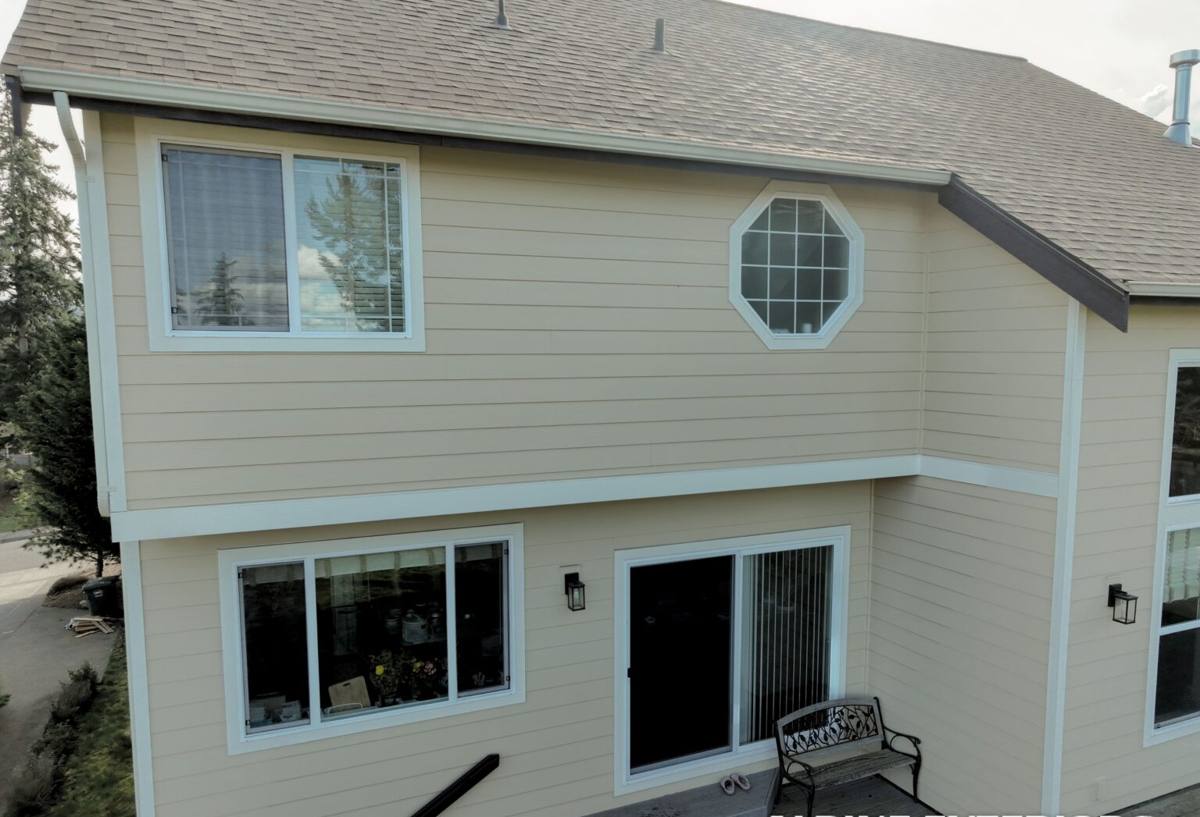
Why Bayside's Coastal Exposure Changes the Job
Salt Air and Metal Components
Salt air accelerates corrosion on anything metal on a roof — nails, flashing, vent stacks, and drip edge. On a standard build, this is often an afterthought. Near the water, it can't be. We favor corrosion-resistant fasteners and flashing on Bayside jobs because a roof is only as good as its weakest metal component, and rusted flashing around a chimney or skylight is one of the most common sources of a slow, hidden leak.
Wind-Driven Rain
Rain that comes in sideways off the water behaves differently than rain falling straight down. It can drive up under shingle tabs and push past standard seals at valleys, eaves, and roof-to-wall transitions. That means underlayment choice, valley detail, and shingle sealing strip performance matter more here than they would on a roof set back from the water with more tree and terrain buffer.
Moss, Algae, and the Long Wet Season
Western Washington's wet season is long, and Bayside's combination of moisture and shaded, tree-lined lots gives moss and algae exactly what they need to take hold. Moss isn't just a cosmetic problem — it holds moisture against the shingle surface, works its way under tabs as it grows, and can lift shingles enough to let water in underneath. Left unchecked over several seasons, moss growth will shorten the life of an otherwise sound roof.
Algae staining (the dark streaks you'll see on older roofs) is different from moss — it's mostly cosmetic — but it's worth addressing with the right shingle choice up front, since some algae-resistant shingle lines hold up noticeably better in this climate than standard versions of the same product.
What Actually Helps
- Keeping overhanging branches trimmed back so the roof gets more sun and airflow
- Gentle, low-pressure moss removal rather than aggressive pressure washing, which can strip granules and shorten shingle life
- Algae-resistant shingles in shaded or north-facing roof sections
- Zinc or copper strips near the ridge on roofs with chronic moss problems, which help suppress regrowth as rain washes over them
- Clear, well-maintained gutters so trapped moisture has somewhere to drain instead of sitting against the roof edge
What a Correct Asphalt Shingle Roof Involves
A roof is a system, not just a layer of shingles. Every component underneath the shingles is doing work, and skipping or under-building any one of them is where most premature roof failures start.
Underlayment
The underlayment is the roof's backup layer if wind or wear ever gets past the shingles themselves. In a marine climate with driving rain, we don't treat this as a place to cut cost — a quality synthetic or self-adhered underlayment in vulnerable areas (valleys, eaves, around penetrations) is cheap insurance against the kind of wind-driven moisture Bayside sees regularly.
Flashing
Flashing around chimneys, skylights, vent pipes, and roof-to-wall intersections is where the majority of roof leaks actually originate — far more often than through the shingle field itself. Correct flashing is formed and layered so water is always directed out and away, never allowed to pool or wick backward under a joint.
Ventilation
Proper intake and exhaust ventilation keeps the attic space at a stable temperature and moisture level. Without it, trapped moisture can condense against the underside of the roof deck, which shortens the life of the decking and the shingles above it from the inside — a problem that's often invisible until it's already caused damage.
Nailing Pattern
Shingle manufacturers specify an exact nailing pattern and nail placement for a reason: it's what the wind rating and warranty are actually based on. Under-nailing, over-driving, or misplaced nails are a common cause of shingles that lift or blow off in a wind event well before they should.
Choosing the Right Shingle for a Bayside Roof
Not every asphalt shingle line performs the same way in a coastal, high-moisture climate. The table below outlines the general categories and how we typically think about them for homes in this area.
| Shingle Type | Typical Lifespan | Wind Rating | Best Fit For |
|---|---|---|---|
| 3-Tab (economy) | 15–20 years | Lower | Budget-driven projects, secondary structures |
| Architectural / Laminate | 25–30+ years | Higher | Most Bayside homes — better wind performance and moisture resistance |
| Algae-Resistant Architectural | 25–30+ years | Higher | Shaded lots, north-facing slopes, chronic moss/algae areas |
| Impact-Resistant (Class 4) | 25–30+ years | Highest | Homeowners prioritizing storm and debris resistance, potential insurance discounts |
For most homes in Bayside, we recommend an architectural shingle with algae resistance built in. It costs modestly more than a basic 3-tab up front, but the added durability and moisture resistance are a better match for what this specific location deals with year after year.
Roof System Components and Why They Matter Here
| Component | Why It Matters in This Climate | What We Check |
|---|---|---|
| Fasteners | Salt air accelerates metal corrosion | Corrosion-resistant nails and fastener spec |
| Valley Underlayment | Concentrates wind-driven rain flow | Reinforced or self-adhered underlayment in valleys |
| Flashing | Most common leak point on any roof | Proper layering, sealant, and metal condition |
| Attic Ventilation | Prevents condensation from long wet seasons | Balanced intake and exhaust airflow |
| Gutter/Edge Detail | Moss and debris trap moisture at roof edges | Drip edge condition and gutter drainage |
Our Process From Estimate to Cleanup
We keep the process straightforward and communicate at each stage, since a roof replacement is disruptive to a household and homeowners deserve to know what's happening and when.
- On-site inspection and estimate. We look at the existing roof, decking condition, ventilation, and any problem areas specific to the property before quoting anything.
- Written scope and materials. You'll know exactly which shingle line, underlayment, and flashing details are included before work starts — no surprises mid-project.
- Tear-off and deck inspection. Old roofing is removed and the deck is inspected for soft spots or water damage that need to be addressed before new roofing goes down.
- Underlayment, flashing, and shingle installation. Installed to manufacturer spec, with the reinforced detailing described above at valleys, eaves, and penetrations.
- Ventilation check. We confirm intake and exhaust are balanced for the attic space, adjusting as needed.
- Cleanup and magnetic sweep. Job site and yard are cleared of debris and swept for stray nails before we consider the job finished.
- Final walkthrough. We go over the finished roof with you directly and answer any remaining questions.
Repair, Re-Roof, or Replace?
Not every roof problem means a full replacement, and we'd rather give you an honest read on which category a given issue falls into than push for a bigger job than is needed.
Signs a Repair May Be Enough
- A small number of shingles are damaged, curled, or missing in an isolated area
- A single flashing point (chimney, vent, skylight) is the source of a leak
- The roof is under roughly 12–15 years old and otherwise in good condition
- Moss or debris buildup is causing localized moisture issues without underlying damage
Signs It's Time to Replace
- Widespread granule loss, curling, or cracking across multiple roof sections
- Multiple past repairs that haven't resolved recurring leaks
- Visible sagging, which can point to deck or structural issues underneath
- The roof is approaching or past its material's expected lifespan
Maintenance That Extends Roof Life in This Climate
A well-installed roof still benefits from basic upkeep, especially given how much moss and moisture pressure Bayside roofs deal with compared to drier parts of the county.
- Inspect the roof (or have it inspected) at least once a year, ideally before the wet season ramps up
- Clear moss buildup gently before it spreads under shingle tabs
- Keep gutters and downspouts clear so water isn't backing up against roof edges
- Trim back overhanging branches to reduce shade, debris, and moss-friendly conditions
- Address small leaks or flashing issues promptly rather than waiting for them to spread
Why a Crew That Already Works Bayside Matters
Roofing quotes can look similar on paper — same general shingle brand, similar price range — but the difference shows up in the details that don't make it onto a one-page estimate: whether the fasteners are rated for salt air exposure, whether the valleys get reinforced underlayment, whether ventilation actually gets checked instead of assumed. A crew that already works in Bayside and the surrounding Everett area has seen firsthand which roofs hold up here and which ones develop problems early, and builds accordingly instead of applying a generic approach regardless of location.
We're a local Snohomish County crew, which also means we're accountable locally — not a traveling outfit that's hard to reach if a question comes up after the job is done.
Get a Free, No-Pressure Estimate
If you're weighing a repair, planning ahead for a full replacement, or just want an honest assessment of where your roof stands, we're happy to take a look. Use the form below to request a free estimate — no pressure, no obligation, just a straight answer about what your roof actually needs.