 Everett
 Energy-Efficient Windows Built for Eastmont's Climate
Eastmont sits within Everett, in Snohomish County, and like the rest of this stretch of Puget Sound country, homes here deal with a specific combination of weather that wears on windows harder than most homeowners expect: salt-tinged marine air drifting in off the Sound, driving rain that gets pushed sideways by wind instead of falling straight down, and a long, damp moss season that can stretch for much of the year on shaded walls and rooflines. Windows are usually the single biggest source of heat loss and air leakage in an older Eastmont home, and in this climate that inefficiency isn't just a comfort problem — it's tied directly to condensation, drafts, and slow moisture damage at the sill and frame.
This page is about energy-efficient window installation specifically for homes in Eastmont — what "efficient" actually means in measurable terms, what this climate demands from a window beyond a good rating on paper, and how our process makes sure the window you pay for actually performs the way its label says it will, year after year, not just in the showroom.
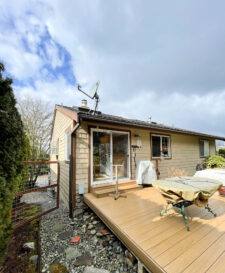
What This Corner of Snohomish County Demands From a Window
An energy-efficient window rated for a dry, mild climate isn't automatically the right choice for a house in Eastmont. The rating tells you how a window performs under lab conditions. What it does on your actual house depends on how well it's built and installed for the specific stresses this area puts on it year-round.
Marine Air and Hardware Corrosion
Salt-influenced air moving through this part of Snohomish County speeds up corrosion on lower-grade window hardware, fasteners, and weatherstripping components. A window can carry a strong energy rating on paper and still lose that performance early if the hardware holding its sashes tight starts to pit, stiffen, or stop sealing properly within just a few years.
Driving Rain and Air Infiltration
Wind here regularly pushes rain sideways into wall assemblies rather than letting it fall straight down, which puts real pressure on a window's weatherstripping and frame seals. A window that tests efficient in still lab air can still leak air, and eventually water, around the sash and frame if its seals aren't built for sustained wind-driven exposure.
A Long Moss Season and Sill Moisture
Shaded elevations and window sills that don't drain well hold onto moisture for months at a stretch here, which supports moss and mildew growth and, given enough time, slow deterioration at the sill and lower frame corners. That's as much an installation and drainage issue as a window quality one, but a frame material that resists moisture on its own matters too.
Cold, Damp Swings and Condensation
The gap between a heated Eastmont interior and a cold, wet Everett winter outside puts real condensation pressure on window glass and frames. Older single-pane windows and early double-pane units show this constantly, with fogging, water pooling on interior sills, or frost forming on the inside of the glass. That's usually a sign of poor thermal performance, not just an annoyance to wipe up each morning.
Signs an Eastmont Home Is Losing Energy Through Its Windows
Some of these signs are obvious the moment you notice them. Others build up slowly enough that homeowners get used to them before realizing how much comfort, and money, they're actually losing.
- Noticeable drafts or cold spots near window frames even when they're fully closed and locked
- Interior condensation or fogging on glass during cold mornings, especially on north- or shade-facing walls
- Rooms near large or older windows that are harder to heat evenly than the rest of the house
- Visibly single-pane glass, or double-pane units with fog permanently trapped between the panes
- Aluminum frames that feel noticeably cold to the touch on the inside during winter
- Heating bills that run higher than comparable homes nearby with no other obvious cause
- Sills or lower frame corners that feel soft, look discolored, or show early rot
Reading the Performance Numbers: U-Factor, SHGC, and Air Leakage
Every code-compliant window sold in Washington carries an NFRC label with a handful of numbers on it, and those numbers matter more than the brand name printed above them. Here's what each one tells you and why it's relevant to a house in this specific climate.
| Rating | What It Measures | Why It Matters in Eastmont |
|---|---|---|
| U-Factor | How well the window resists heat loss — lower is better | Directly tied to heating costs and comfort through Everett's long, cool, damp winters |
| SHGC (Solar Heat Gain Coefficient) | How much solar heat passes through the glass | Matters most on sun-exposed elevations; less critical on the shaded, tree-covered sides common around Eastmont |
| Air Leakage (AL) | How much air passes through the window assembly — lower is better | Wind-driven rain and gusty weather here make a tight air seal as important as the glass itself |
| Condensation Resistance | How well the window resists interior condensation | Directly relevant given the cold-damp interior/exterior swings typical of a Puget Sound winter |
We'll walk you through the actual NFRC label on any window we're proposing rather than just quoting a brand name, so you know exactly what you're buying and how it's expected to perform on your specific elevations, not just in general. Any window package we install is also specified to meet or exceed the U-factor requirements set out in the Washington State Energy Code — that's a floor, not a target, and most homeowners choosing genuinely efficient glazing end up well past it.
Frame Materials Compared for Energy Performance
Frame material affects energy performance as much as the glass does, because the frame is where thermal bridging and long-term seal integrity actually happen. Here's how the common options compare for a home in this climate.
| Frame Material | Thermal Performance | Moisture & Corrosion Behavior | Typical Maintenance |
|---|---|---|---|
| Vinyl | Good; multi-chamber designs resist heat transfer well | Won't rot; performs well with correct installation | Low |
| Fiberglass | Excellent; low thermal expansion helps maintain long-term seal integrity | Very stable in moisture and marine air | Low |
| Wood, clad exterior | Good; wood itself insulates well, cladding protects it from weather | Clad exterior shields the wood from direct exposure | Moderate |
| Aluminum | Poor unless thermally broken; conducts heat and cold readily | Can corrode over time in salt-influenced air unless well-finished | Moderate |
Aluminum without a thermal break is the frame material we steer Eastmont homeowners away from most often — not because it's a bad product in every application, but because uninterrupted aluminum conducts cold straight through the frame in this climate, undermining much of the energy benefit you're paying for in the glass package. If aluminum's appearance or budget appeals to you, a thermally broken version closes most of that performance gap.
Glazing That Earns Its Keep in a Marine Climate
The glass package is where most of a window's energy performance actually comes from, and it's worth understanding what you're paying for beyond "double-pane" or "triple-pane" on a spec sheet.
Pane Count
Double-pane windows with a good low-E coating and gas fill perform well for most Eastmont homes and are the standard most homeowners choose. Triple-pane windows offer a further step up in insulation and condensation resistance, which can be worth the added cost on north-facing rooms, additions with limited heat sources, or for homeowners prioritizing maximum efficiency over the lowest sticker price.
Low-E Coatings
Low-emissivity coatings reflect heat back toward its source — keeping interior warmth in during Everett's long heating season while keeping unwanted solar heat out during the shorter stretch of strong summer sun. The right coating package depends on which direction a given window faces, which is why we don't default to one glass spec for every window on a house.
Gas Fill and Spacers
Argon or krypton gas between the panes insulates better than plain air, and the spacer holding the panes apart matters more than most homeowners realize. A warm-edge spacer resists condensation at the glass edge far better than an older-style aluminum spacer, which conducts cold straight to that edge and is often where fogging and condensation show up first on a cheaper window.
Installation: Where Efficiency Is Actually Won or Lost
A high-performance window installed with gaps around the frame, poor air sealing, or flashing that doesn't tie into the surrounding wall will underperform its own rating from day one. The insulation and air sealing between the window frame and the rough opening has to be done without trapping moisture against the framing, and the flashing sequence around the window — sill, then jambs, then head, lapped in the correct order — is what actually keeps wind-driven rain from finding its way behind the frame. We treat this sequence as standard practice on every window we install, not an upgrade homeowners have to ask for or pay extra to get.
This is also where a lot of the energy loss on older Eastmont homes actually originates. A homeowner who replaces windows expecting lower bills and doesn't see the improvement they expected often has a perfectly good window sitting in a poorly sealed opening, losing air and heat around the frame rather than through the glass itself. It's worth checking with your utility provider too — Snohomish County utilities periodically run rebate or incentive programs for high-efficiency replacement windows, and it's worth a quick call to confirm what's currently offered before you buy.
How Our Process Works
- On-site assessment: We look at your existing windows' frame condition, seal performance, and how each elevation is exposed to sun, wind, and rain before recommending anything.
- Honest product recommendation: We walk you through frame material, glazing package, and NFRC numbers in plain terms, matched to your budget and each window's actual exposure — not a one-size-fits-all pitch.
- Written scope and estimate: You get a clear, written quote before any work begins, with the product warranty and installation warranty spelled out separately.
- Correct installation: Every window is set square and plumb, air-sealed and insulated correctly at the frame, and flashed in the proper lapped sequence for this climate.
- Final walkthrough: We check operation, hardware, and visible seals with you before calling the job done.
A Practical Checklist Before You Hire for Window Work
- Ask for the specific U-factor and SHGC numbers on the proposed windows, not just a brand name
- Confirm current Washington contractor licensing and active liability insurance
- Get a written scope that separates the manufacturer's product warranty from the installation warranty
- Ask how flashing and air sealing are handled at the frame, not just which glass package is included
- Check current lead times, since custom-sized window orders can take several weeks to arrive
Why Hiring a Crew That Already Works Eastmont Matters
A crew that regularly installs windows in Eastmont and the rest of Everett has already seen how salt-tinged air corrodes underspecified hardware, how wind-driven rain finds a poorly sealed frame, and which elevations on a typical Eastmont lot need extra attention because of shade or prevailing exposure. That's the kind of practical knowledge that shows up in small decisions during an install — decisions a crew unfamiliar with this specific stretch of Snohomish County might not think to make at all. It also means working with someone who understands local permitting, is used to the pace of the wetter months here, and is still around if a warranty question comes up years down the road.
If you're dealing with drafty, foggy, or inefficient windows in your Eastmont home, we're glad to take a look and give you an honest read on what will actually make a difference. Use the form below to request a free, no-pressure estimate.