 Everett
 Window Installation Built for Forest Park's Coastal Climate
Forest Park sits close enough to Puget Sound and the Snohomish River corridor that its homes take a different kind of weather beating than houses further inland. Salt-tinged air off the water, wind-driven rain that comes in sideways more often than straight down, and a moss season that seems to stretch longer every year all put real stress on window openings. When a window is installed correctly for this environment, it holds up for decades. When it's installed with shortcuts, the problems don't show up on day one — they show up two or three winters later, as soft trim, foggy glass, or a draft that wasn't there before.
This page is about window installation specifically for Forest Park homes — what the climate demands, what a correct installation actually looks like, and how we approach the job when we're working in this neighborhood.
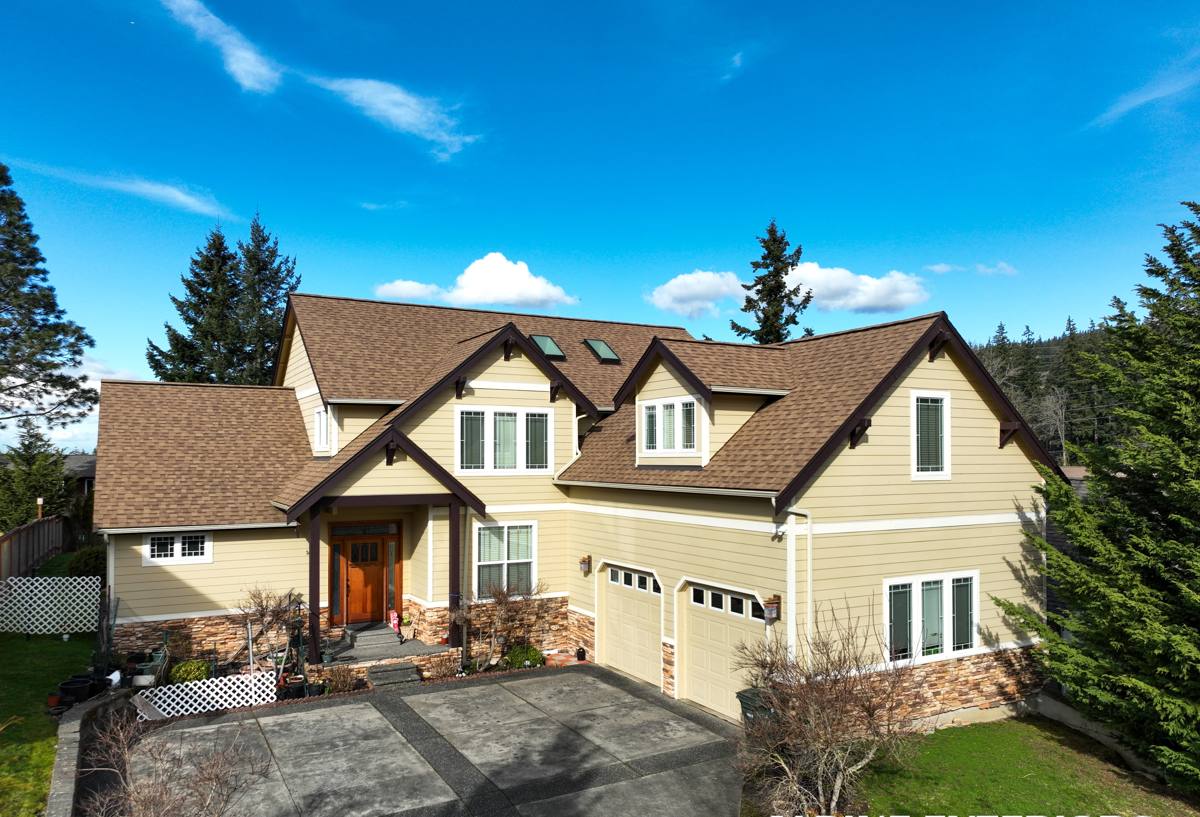
What Forest Park Homes Are Up Against
Every window replacement job in this part of Snohomish County has to account for a few conditions that are just part of living here:
Salt Air and Metal Fatigue
Proximity to Puget Sound means airborne salt finds its way onto window hardware, screen frames, and fasteners. Over years, untreated or lower-grade metal components corrode faster than they would twenty miles inland. This matters more for hardware selection and fastener choice than most homeowners realize — it's not just about the glass and frame.
Driving, Wind-Driven Rain
Rain in this area rarely just falls straight down. Storms off the Sound push moisture sideways against west- and south-facing walls, which puts real pressure on flashing, sill pans, and sealant joints. A window that would perform fine in a drier climate can leak here if the water management details around it aren't done right.
A Long Moss and Mildew Season
Extended damp stretches — often from fall through late spring — give moss, algae, and mildew a long window to establish themselves on sills, exterior trim, and anywhere water sits instead of draining. Wood trim and lower-grade composite materials are especially vulnerable if they're not detailed and finished properly.
Temperature Swings and Condensation
Snohomish County doesn't see extreme heat or cold, but the persistent damp combined with heated interior air creates real conditions for interior condensation on poorly insulated or improperly sealed windows — which shows up as fogging, drips on sills, and eventually soft framing if it's ignored.
Signs Your Windows Are Ready for Replacement
Not every issue means a full replacement, but these are the signals we take seriously when we walk a Forest Park property:
- Fogging or moisture trapped between panes of double-glazed glass — the seal has failed and can't be repaired
- Soft or discolored wood at the sill or lower frame corners, especially on west- and south-facing walls
- Visible daylight or a noticeable draft around the sash even when the window is latched
- Windows that are difficult to open, close, or lock — often a sign the frame has shifted or swelled
- Moss or persistent green staining building up on the sill or exterior trim year after year
- A noticeable rise in heating costs without another clear explanation
- Visible gaps or cracking in the caulk or sealant line around the window perimeter
What a Correct Window Installation Actually Involves
Window installation looks simple from the outside — pull the old one, set the new one, caulk it — but the water management details are what actually determine whether the window performs in this climate. This is where most of the difference between a good installation and a problem installation shows up.
Removal and Opening Inspection
Before anything new goes in, we remove the old window carefully and inspect the rough opening — sill, jambs, and header — for hidden rot, prior water intrusion, or framing issues. This is often the point where problems from a past installation get discovered, and it's much cheaper to address them now than after a new window is sealed in place over them.
Sill Pan and Flashing
A correctly built sill pan directs any water that gets past the window — and some always will, eventually — back out to the exterior instead of into the wall cavity. Flashing tape and building paper or weather-resistive barrier need to be integrated in the right shingle-lap order so water sheds downward and outward, never getting trapped behind the new window.
Shimming, Squaring, and Fastening
A window that isn't shimmed level and square will bind, won't seal evenly, and puts uneven stress on the frame that shortens its life. Fasteners need to be corrosion-resistant given the salt air exposure in this area, and placed according to the manufacturer's specification to keep the warranty intact.
Insulation and Air Sealing
The gap between the window frame and the rough opening needs to be filled with an appropriate low-expansion foam or insulation — overfilling can bow the frame, underfilling leaves a cold, drafty gap. This step is invisible once trim goes back on, which is exactly why it's worth asking a contractor how they handle it.
Exterior Sealant and Trim
The final exterior caulk joint is the last line of defense, not the only one — a window that relies on caulk alone to stay dry is a window that will eventually leak. Trim gets reinstalled or replaced with attention to drainage, so water isn't left sitting against wood in a way that invites moss and rot.
Choosing the Right Window Material for This Climate
Material choice matters more here than in drier parts of the state, mainly because of moisture exposure and the long damp season. Here's how the common options generally compare for a coastal Snohomish County home:
| Material | Moisture Performance | Maintenance | Typical Fit for Forest Park Homes |
|---|---|---|---|
| Vinyl | Good — won't rot, low corrosion risk | Low — occasional cleaning | Strong value option; performs well against damp and salt air |
| Fiberglass | Very good — dimensionally stable in temperature and moisture swings | Low | Higher upfront cost, excellent long-term durability |
| Wood (unclad) | Poor without diligent upkeep — vulnerable to moss, rot, and swelling | High — regular painting/sealing required | We're honest with clients that unclad wood carries a real maintenance burden in this climate |
| Wood-clad (vinyl or aluminum exterior) | Good exterior protection, wood interior warmth | Moderate | A reasonable middle ground when the interior wood look matters |
| Aluminum | Fair — prone to condensation and corrosion near salt air unless thermally broken | Low | Generally not our first recommendation this close to the Sound unless it's a thermally broken, marine-rated product |
Glass package matters too. For this climate, we generally steer homeowners toward double-pane units with a low-E coating and argon fill — it helps with both energy performance and reducing interior condensation during those long damp stretches.
Our Installation Process
- On-site assessment. We look at your existing windows, the condition of the rough openings, and any moisture or drainage issues specific to your home's exposure.
- Measurement and product selection. We measure precisely and walk through material, glass, and hardware options based on your home's orientation and budget — not a one-size-fits-all recommendation.
- Scheduling around the weather. Given how much rain this area gets, we plan install days with weather in mind and protect open rough openings if conditions turn while work is in progress.
- Installation day. Careful removal, opening inspection, proper flashing and sill pan work, correct shimming and fastening, insulation, and sealing — done in that order, not rushed.
- Final inspection and cleanup. We check operation, seals, and exterior finish work before we consider the job done, and we clean up the site fully.
What Affects the Cost of Window Installation
We won't quote a number without seeing the job, but these are the factors that typically move the price up or down:
| Factor | How It Affects Cost |
|---|---|
| Number of windows | Per-window cost usually drops slightly as the total count on one visit increases |
| Material | Vinyl is typically the most budget-friendly; fiberglass and wood-clad cost more upfront |
| Window size and style | Larger windows and specialty shapes (bay, arched, picture) cost more than standard double-hung or slider sizes |
| Condition of the rough opening | Hidden rot or framing repair found during removal adds labor and material cost |
| Accessibility | Second-story or hard-to-reach windows take more time and equipment |
| Old window disposal | Removal and disposal of existing windows is usually included but worth confirming |
A Practical Pre-Estimate Checklist
Before we come out, it helps to have a general sense of what you're dealing with:
- Which windows are the priority — all of them, or just the ones showing problems?
- Any rooms with recurring condensation, drafts, or musty smells near the windows?
- Do you know roughly how old the current windows are?
- Any preference on material, or are you open to a recommendation based on your home's exposure?
- Any windows that are hard to reach (second story, over a roofline, etc.)?
Why Local Experience in Forest Park Matters
A contractor who regularly works in Forest Park and the surrounding Everett area already understands how homes here are built, how they age in this climate, and which details actually matter versus which ones are just upsells. We're not learning Snohomish County's weather patterns on your project — we're applying what consistently works here: the right flashing sequence for wind-driven rain, hardware that won't corrode from salt air, and material choices that don't turn into a moss and maintenance problem two years down the road. That local familiarity translates into fewer surprises, straighter answers, and a window installation that's built to actually last through this area's weather rather than just look good on installation day.
If you're weighing whether it's time to replace a window or two — or the whole house — we're happy to take a look and give you an honest read on what you're working with. Reach out for a free, no-pressure estimate using the form below.