 Everett
 Windows Built for a Waterfront Bluff, Not a Catalog Photo
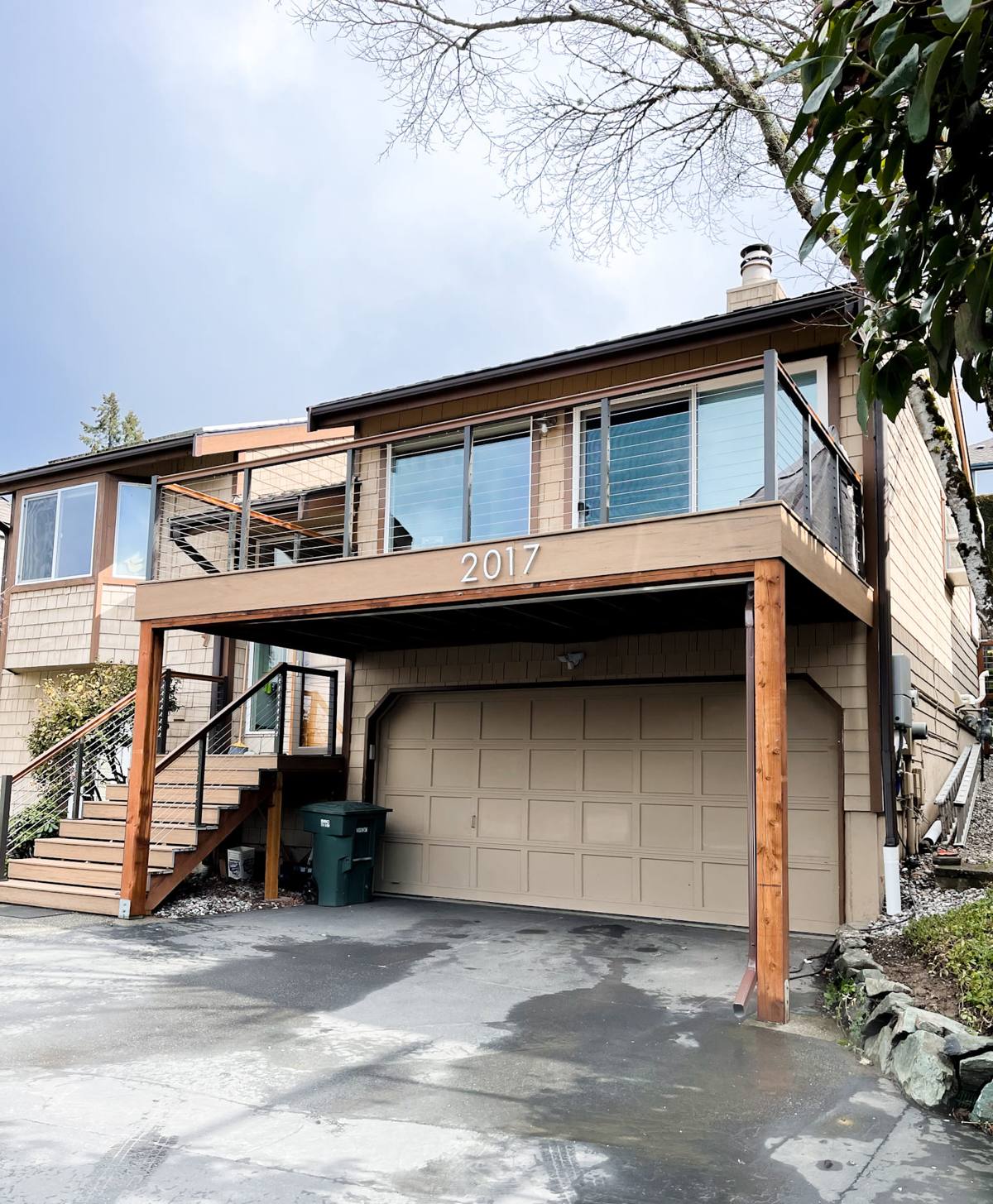
Port Gardner sits above the bay it's named for, and that position does something to a house that homes further inland don't deal with in the same way. Wind comes off the water with nothing to slow it down, rain hits west- and south-facing walls almost sideways during a fall or winter system, and the air itself carries salt that settles on glass, frames, and hardware year-round. A window that performs fine in a sheltered inland neighborhood can start showing problems here years earlier — sticking sashes, fogged glass, corroded hardware, or trim that stays damp long after the rain stops. Custom windows for a Port Gardner home aren't about matching a showroom sample. They're about choosing materials, glazing, and installation details that actually hold up to this specific exposure, and doing the surrounding flashing and sealing work correctly so the window doesn't become the weak point in an otherwise solid wall.
What Salt Air, Driving Rain, and Moss Season Actually Do to a Window
Everett's climate is wet for a large part of the year, and Snohomish County's moss season is long — moss and algae don't just grow on roofs and siding, they colonize window sills, tracks, and any horizontal surface that stays damp. On a bluff home in Port Gardner, that dampness is compounded by salt-laden wind off Port Gardner Bay, which accelerates corrosion on lower-grade hardware, hinges, and fasteners faster than it would a few miles inland.
The failure points we see most often
- Corroded or seized hardware on operable windows facing the water side of the house
- Wood sills and trim that stay wet long enough to support rot or moss growth
- Failed seals on older insulated glass units, showing up as fog or moisture between the panes
- Caulk and sealant that's cracked or pulled away, letting wind-driven rain track behind the trim
- Weep holes clogged with debris or paint, trapping water inside the frame instead of draining it out
None of these are dramatic failures on their own, but on a home exposed the way many Port Gardner properties are, they show up sooner and compound faster than they would somewhere more sheltered.
Choosing Frame Material and Glazing for This Exposure
There's no single "best" window for every house — the right choice depends on the home's age, its exposure to wind and rain, and how much upkeep the owner wants to take on. For a property with direct or partial exposure toward the water, we weigh corrosion resistance and moisture tolerance more heavily than we would for a fully sheltered lot.
| Frame Material | Moisture & Salt Air Tolerance | Maintenance | Typical Fit |
|---|---|---|---|
| Vinyl | Good — won't rot or corrode, but can discolor over time near salt air | Low — occasional cleaning | Budget-conscious full replacements |
| Fiberglass | Very good — dimensionally stable, resists warping in temperature and moisture swings | Low | Higher-exposure walls, larger openings |
| Wood | Fair — needs consistent paint or finish upkeep to prevent rot in wet, salt-exposed conditions | High | Historic character homes where owners want the traditional look and will maintain it |
| Wood-Clad (wood interior, metal/composite exterior) | Good — exterior shell handles weather, interior keeps traditional look | Moderate | Homes wanting a wood interior without full exterior maintenance |
We don't push one material as universally "best" — we tell you honestly what each option costs you in upkeep versus what it saves you in exposure risk, and let you weigh that against your budget and how the house looks. For glazing, dual-pane with a quality low-E coating is the practical baseline for this area; triple-pane adds real value on north- or west-facing walls that take the brunt of the wind and rain, but it's a cost-versus-benefit call we'll walk through room by room rather than sell as a blanket upgrade.
Where the Installation Actually Matters More Than the Window
A premium window installed with sloppy flashing will underperform a mid-grade window installed correctly — that's true anywhere, but it matters more on an exposed bluff lot where wind-driven rain is actively testing every seam. Correct installation on a Port Gardner home means:
Flashing and drainage
Proper window flashing integrates with the home's existing weather-resistive barrier (house wrap or building paper) so water is directed out and away from the wall assembly, not trapped behind the siding. On older homes especially, this often means correcting flashing details that were never right in the first place, not just matching what was there before.
Sealant, not just caulk
The exterior perimeter needs a sealant rated for sustained UV and moisture exposure, applied to a clean, properly prepped surface. A bead of caulk over old, failed material doesn't hold up to a full Pacific Northwest wet season, let alone several.
Sill pans and weep paths
Any water that does get past the outer seal needs somewhere to go. Sill pans and clear weep paths are what keep incidental moisture from sitting against wood framing and becoming a rot problem down the line.
Fastener and hardware selection
In a salt-air environment, the fasteners and exposed hardware matter as much as the frame material. We select corrosion-resistant hardware for these installations rather than defaulting to whatever ships standard, because standard-grade hardware is where we see the earliest failures on waterfront-exposed homes.
Matching Windows to Port Gardner's Housing Stock
Port Gardner has a real mix of home ages and styles — older homes with traditional wood trim and proportions sit alongside more recently updated properties. Custom windows here often means matching existing trim profiles, sightlines, and grid patterns so new windows read as original to the house rather than an obvious retrofit, especially on street-facing or bay-facing elevations where the change is most visible. On older homes, that can mean custom sizing to fit openings that don't match modern standard dimensions, or selecting exterior profiles that replicate a historic look while using modern materials and glazing underneath.
Our Process, Start to Finish
We keep the process straightforward and try not to waste your time with unnecessary visits or vague estimates.
- On-site assessment. We look at each window opening individually — exposure direction, current condition, existing flashing, and any signs of past water intrusion — not just a quick measure-and-quote.
- Honest material recommendation. Based on that assessment, we recommend frame material and glazing options suited to that specific wall's exposure, with the trade-offs explained plainly.
- Written estimate. Clear scope, materials, and pricing before any work starts — no surprise add-ons mid-project.
- Removal and correction. Old windows come out, and any flashing, sheathing, or framing issues we find underneath get addressed before the new window goes in — not covered over.
- Installation to manufacturer and code standards. Proper flashing integration, sealant, sill pans, and hardware appropriate to the exposure.
- Walkthrough and cleanup. We confirm operation on every window and leave the site clean.
Keeping Custom Windows Performing Through Every Moss Season
New windows still need a little seasonal attention on an exposed lot like this. A short annual checklist goes a long way toward getting the full service life out of the investment:
- Clear debris and moss buildup from sills, tracks, and weep holes at least once a year, more often on shaded or north-facing windows
- Check exterior sealant beads each fall for cracking or separation before winter storms arrive
- Operate and lubricate hardware on operable windows periodically so salt-air corrosion doesn't seize moving parts
- Rinse salt residue off glass and frames on the water-facing side during dry spells
- Watch for early signs of interior condensation between panes — it usually means a seal has failed and the unit needs attention, not replacement of the whole window
Why Hiring a Crew That Already Works This Neighborhood Matters
A contractor who mostly works sheltered inland neighborhoods will often default to standard installation practices that are fine there but undersized for a bluff-exposed Port Gardner property. Knowing which walls in this neighborhood take the brunt of the weather, which older homes tend to have flashing shortcuts from a past renovation, and which hardware and sealant choices actually hold up to salt air over multiple wet seasons isn't something you get from a spec sheet — it comes from doing this work in Everett and around Snohomish County repeatedly. That local experience shows up in fewer callbacks and windows that are still performing correctly well past the point where a generic installation would be showing problems.
Get a Straight Answer for Your Home
Every house on this bluff carries a slightly different exposure, and the right window and installation approach for your home depends on details we can only see in person. If you're weighing a repair versus full replacement, or just want an honest read on what your current windows are up against, we're happy to take a look. Use the form below to request a free, no-pressure estimate.