 Everett
 Why Snohomish Windows Take a Beating from the Local Climate
Homes in the Snohomish area near Everett deal with a specific combination of weather that's harder on windows than what you'd find further inland. Proximity to Puget Sound and the Snohomish County waterways means the air carries a steady trace of salt, which speeds up corrosion on hardware, screen frames, and any exposed metal fasteners. Add in driving rain that comes sideways off frequent storms, and water gets pushed into gaps and seams that would stay dry in a calmer climate. Then there's the long stretch of gray, damp weather that runs from fall through spring, which gives moss and algae plenty of time to take hold on frames, sills, and the trim around them.
None of these factors are dramatic on their own, but together they shorten the working life of window hardware, stress seals and weatherstripping, and accelerate wood rot in ways that homeowners in drier parts of Washington rarely deal with. A window that's rated fine for general use can still underperform here if it wasn't installed with this specific climate in mind.
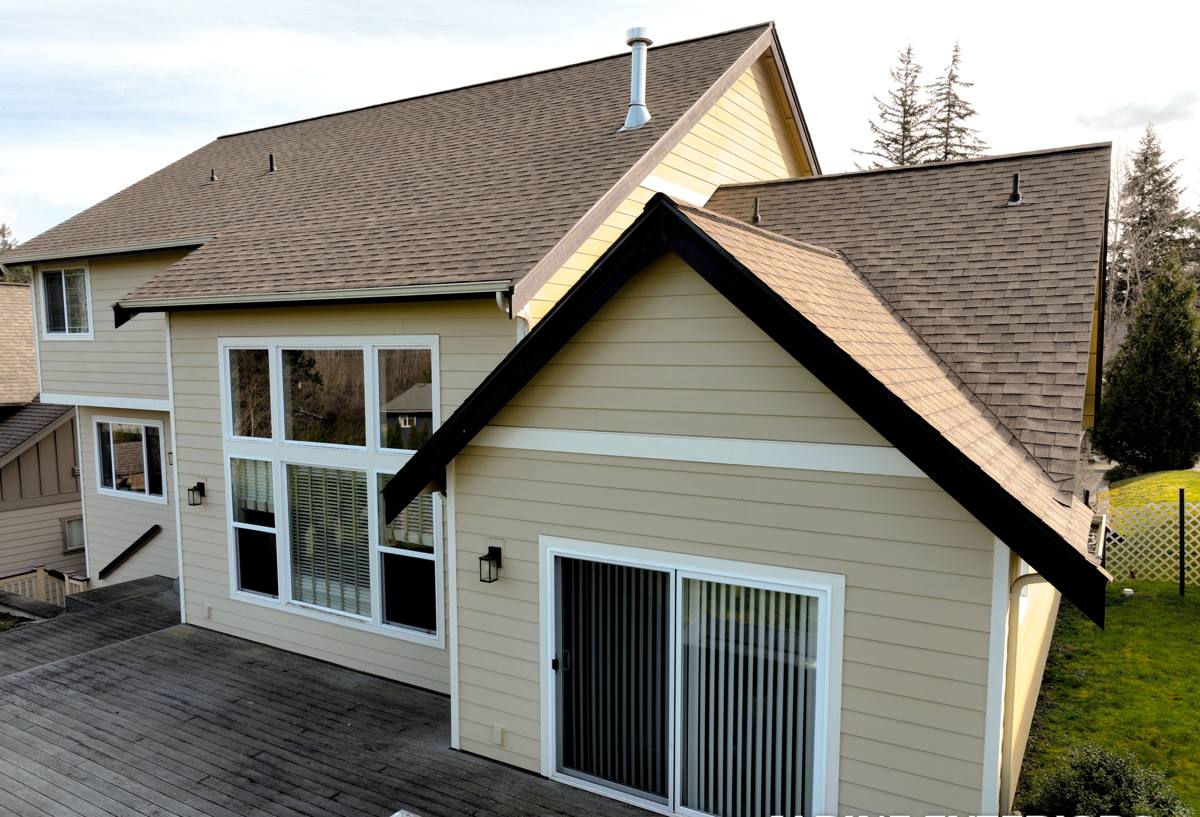
Signs a Snohomish Home's Windows Are Losing the Fight
Windows rarely fail all at once. Usually there are warning signs for a season or two before a homeowner decides to replace them. Watch for:
- Fogging or a hazy film between panes, which means the seal on a double-pane unit has failed
- Noticeable drafts along the frame edges, especially during wind-driven rain
- Windows that stick, drag, or won't latch flush anymore
- Soft, discolored, or spongy wood at the sill or lower corners
- Green or black growth building up on frames, sills, or the siding right around the window
- Peeling or bubbling paint near the window opening
- A heating bill that's crept up without an obvious explanation
Any one of these is worth a look. Several at once usually means the window and the framing around it need attention, not just a caulk touch-up.
What a Correct Window Replacement Actually Involves
Swapping in a new window is easy to do poorly and easy to get away with for a year or two before problems show up. Given how much moisture this area sees, the steps that happen behind the trim matter as much as the window itself.
Removal and Inspection
The old unit comes out carefully so we can see the condition of the framing underneath. This is the point where hidden rot, soft sheathing, or old water staining gets caught. Skipping this step and just dropping a new window into a bad opening is one of the most common ways replacements fail early.
Flashing and Moisture Barrier
Proper flashing directs water that reaches the opening back out and away from the wall assembly instead of letting it collect. Given how much horizontal rain this area gets, flashing that's installed in the wrong order or left with gaps is one of the main reasons windows leak within a few years of a "replacement."
Setting the New Unit
The window has to be shimmed level, plumb, and square, then fastened per the manufacturer's specifications. A unit that's slightly out of square won't seal or operate correctly even if everything else is done right.
Sealing and Insulating
The gap between the window frame and the rough opening gets insulated and sealed with the right materials, not just packed with whatever's on hand. Over-filling with the wrong foam can actually bow the frame and cause operating problems later.
Trim and Finish Work
Interior and exterior trim gets reset or replaced, and exterior caulking is applied at the joints that need it, not everywhere. Caulk isn't a substitute for correct flashing; it's the last line of defense, and we treat it that way.
Choosing the Right Window for This Climate
Frame Material
Frame material matters more here than in a drier climate because of the salt air and constant moisture exposure. Here's how the common options compare for this area specifically:
| Frame Material | How It Handles Salt Air & Moisture | Maintenance | Where It Fits Best |
|---|---|---|---|
| Vinyl | Doesn't corrode or rot; handles salt air well | Low — occasional rinsing | Most standard replacements; best value |
| Fiberglass | Very stable in wet, temperature-swinging conditions; resists warping | Low | Larger openings or homes wanting extra durability |
| Aluminum-clad wood | Attractive, but the metal cladding can be more prone to condensation-related issues in a persistently damp climate, and any breach in the cladding exposes wood underneath | Moderate to higher | Homeowners prioritizing a specific traditional look who accept the added upkeep |
| Bare wood | Handsome but the most vulnerable to the rain and moss exposure typical here | High — regular repainting/sealing | Historic or character homes where matching the original look is the priority |
For most Snohomish-area homes, we steer people toward vinyl or fiberglass simply because they hold up with the least fuss against the salt air and near-constant moisture. That's a maintenance and longevity call, not a knock on wood or clad windows — some homeowners have good reasons to want that look and are willing to keep up with the upkeep it requires.
Glass Package
Double-pane with a Low-E coating and argon gas fill is the standard for good reason — it cuts heat loss and reduces condensation on the interior glass during cold, damp mornings, which is common here. Triple-pane adds further insulation value and is worth discussing for north-facing rooms or homes right along the water where wind exposure is higher, though it comes at a higher cost and added weight that not every frame or opening needs.
What Drives the Cost of a Snohomish Window Replacement
Every home is different, so exact pricing needs a walkthrough, but the main factors that move the number up or down are consistent:
| Factor | Why It Matters |
|---|---|
| Number and size of windows | More openings and larger units mean more material and labor |
| Frame material and glass package | Vinyl is the most budget-friendly; fiberglass, triple-pane, and specialty glass add cost |
| Access | Second-story or hard-to-reach windows may need ladders or staging, which adds time |
| Hidden damage | Rotted framing or sheathing found during removal has to be repaired before the new unit goes in |
| Trim and siding tie-in | Matching existing trim profiles or repairing siding around the opening adds labor |
| Permitting | Some replacements require a permit depending on scope; we handle that when it applies |
Our Process, Start to Finish
- Free, no-pressure on-site estimate where we measure openings and check current conditions
- Walk through frame material and glass package options based on your home and budget
- Handle permitting if the scope requires it
- Remove old windows and inspect the framing underneath before anything new goes in
- Install with correct flashing, shimming, insulation, and sealing
- Finish trim work, clean up the site, and walk through the finished job with you
We explain what we're doing and why at each step, especially if we find something unexpected once the old window is out. No surprises added to the invoice without a conversation first.
Why Hiring a Crew That Already Works Snohomish Matters
Window replacement isn't identical everywhere in Washington, and a crew that mostly works dry-climate jobs elsewhere doesn't always account for what this area throws at a building. Working regularly in and around Everett and Snohomish County means we're used to the mix of older homes with original wood-frame construction alongside newer builds, and we know what to expect when we open up a wall here — where rot tends to show up first, how much the salt air has typically affected hardware by a certain age, and how aggressively moss has usually taken hold depending on a home's sun exposure and roofline.
It also means if a warranty question comes up down the road, we're not driving in from across the state to take a look. We're already working in the area.
Keeping New Windows Performing Through the Wet Season
A correctly installed window still benefits from a little seasonal attention, especially given how much rain and moss pressure this area sees year after year:
- Keep weep holes along the bottom track clear of debris so water can drain out properly
- Rinse frames and sills periodically to keep salt residue and grime from building up
- Trim back vegetation and keep nearby gutters clear — overhanging branches and clogged gutters are a major reason moss gets a foothold near windows
- Check caulk lines once a year and touch up any that have cracked or pulled away
- Avoid pointing a pressure washer directly at seals or weep holes, which can force water where it shouldn't go
- Operate locks and latches through their full range a few times a year so hardware doesn't seize up
None of this takes long, and it goes a long way toward getting the full lifespan out of a new window in a climate that doesn't make it easy.
If your windows in the Snohomish area are showing any of the signs above, or you're just ready to stop fighting drafts and fogged glass, we're happy to come take a look. The estimate is free, there's no pressure, and you'll get a straight answer about what your home actually needs — you can request one through the form below.